


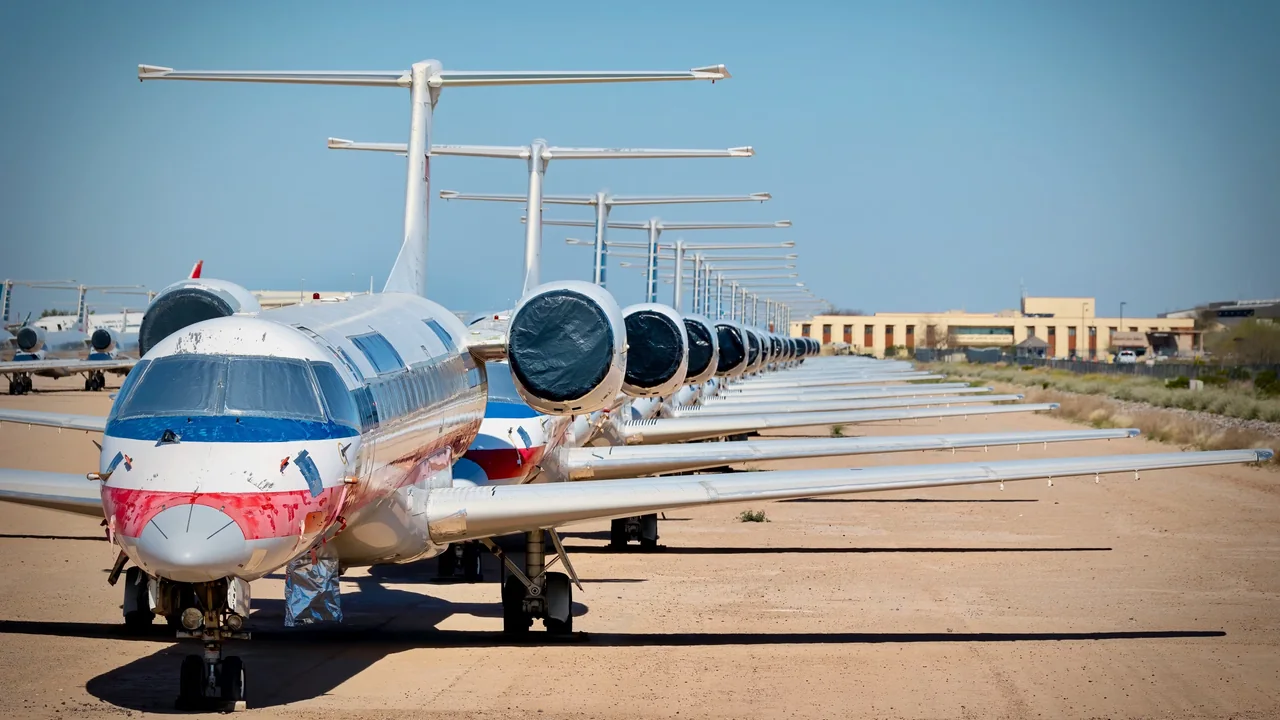
Airlines are constantly evaluating their fleet's performance and making decisions on when to retire certain aircraft. The aviation industry has seen a significant increase in new commercial aircraft deliveries, with over 1,300 planes brought into service in 2024 alone. However, not all of these deliveries resulted in fleet expansion, as only half of the aircraft were used to upgrade existing fleets or replace older models that had reached the end of their operational lives.
The average age of retirement for passenger aircraft is typically around 25-30 years, while freighters can remain airworthy for an additional 10-20 years. However, these numbers can vary greatly depending on several factors, including maintenance costs, fuel efficiency, and regulatory requirements.
Economic factors play a significant role in determining when an airline decides to retire its aircraft. When the cost of operating an aircraft exceeds its revenue-generating capabilities, it becomes unprofitable and is typically retired. This calculation takes into account various expenses, such as fuel, maintenance, and crew salaries.

In addition to economic considerations, the value of the aircraft itself also plays a crucial role in the retirement decision. Airlines must weigh the cost of writing off an aircraft against its resale value or potential use as spare parts.
The impact of technological advancements on aircraft design and operations cannot be overstated. As airlines continue to invest in more efficient and environmentally friendly aircraft, they may need to retire older models that are no longer competitive.
Some airlines have successfully extended the life of their fleets through targeted maintenance programs and cost-cutting measures. Delta Air Lines is a notable example, having continued to operate its 80 Boeing 717s despite the introduction of newer aircraft like the Airbus A220.

The role of maintenance costs in determining an airline's retirement strategy cannot be ignored. Airlines with robust maintenance operations can extend the life of their fleets, while those without such capabilities may need to retire older aircraft sooner.
As airlines navigate the complexities of fleet management, they must balance competing priorities and make informed decisions about when to retire certain aircraft. The decision is often driven by a combination of financial considerations and technological advancements.
The aviation industry's focus on sustainability and reducing emissions will likely influence the retirement strategy of many airlines in the coming years. As the industry continues to evolve, it will be interesting to see how airlines adapt their fleet management practices to meet these changing demands.

The decision to retire an aircraft is often driven by financial considerations.


