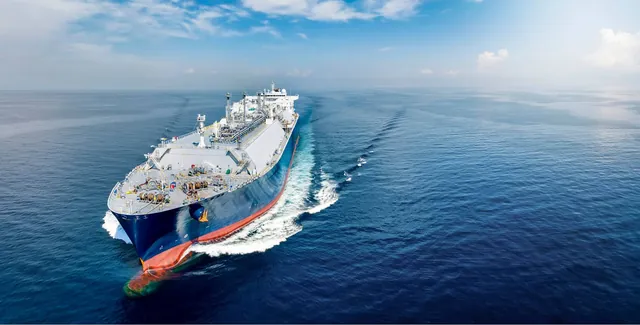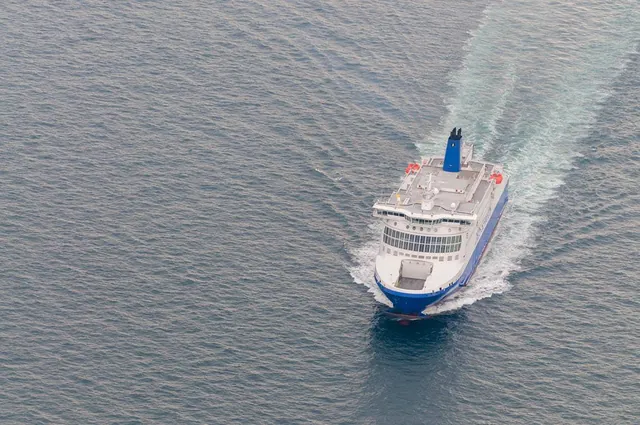


The threat of mines has sparked uncertainty across the entire maritime industry, increasing insurance costs and delaying shipments along major routes. For shipowners, operators, and insurers, the challenge is not just the presence of mines but the time it takes to determine whether these critical waterways are safe. This challenge begins on the seabed, where detecting mines requires specialized technology, operational experience, and precision surveying.
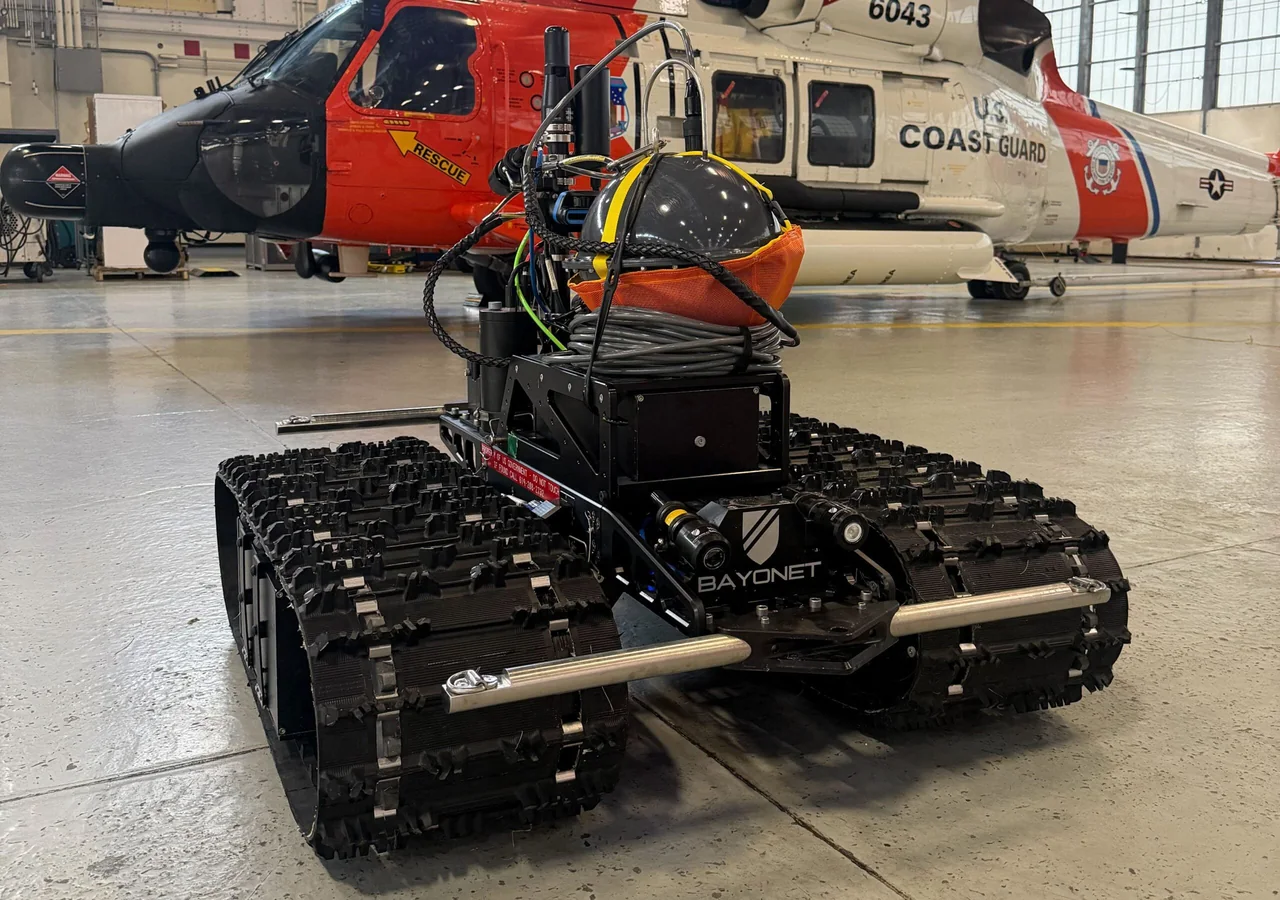
For 20 years, Greensea IQ has developed autonomous maritime technology for complex maritime operations. Their Bayonet underwater crawler is the only commercially ready robot capable of conducting mine countermeasure missions from the shoreline to the seafloor. This technology has been tested and deployed with the U.S. Navy since 2014.
The challenge lies in detecting mines, which rarely present themselves as easy targets. They can be triggered by a disturbance or detonated on command, and may be entirely buried or camouflaged in seafloor terrain. Sophisticated sensors and specialized equipment are required to detect and accurately locate these threats.
Once a threat is identified, it must be precisely located before neutralization operations can begin, or safely recovered for intelligence purposes. The complexity of minefield detection and clearance increases with the development of smaller, more sophisticated mines.
The Strait of Hormuz, in particular, poses significant challenges due to its narrow shipping channel and diverse underwater environment. Strong currents, sand waves, and rocky areas create a waterway filled with debris generated by heavy traffic, making it difficult to distinguish between threats and non-threats.
Autonomous systems like Greensea IQ's Bayonet Underwater Ground Vehicle (AUGV) are beginning to change the equation for mine countermeasure operations. These systems can operate in complex environments, reducing the need for human divers who are constrained by bottom time, decompression, water temperature, fatigue, visibility, and life support.
Historically, mine countermeasure operations have relied heavily on divers. While divers remain an essential capability, autonomous systems like Bayonet are becoming increasingly important for addressing the challenges posed by modern mines. The development of these technologies is crucial for ensuring the safety and efficiency of maritime operations in critical waterways.
As autonomous systems continue to evolve, they will play a vital role in reducing the economic and operational impact of minefields on global commerce. By increasing detection and clearance rates, these systems can help prevent delays, reduce insurance premiums, and minimize naval resources.
The development of autonomous maritime technology is crucial for addressing the challenges posed by modern mines in critical waterways.