


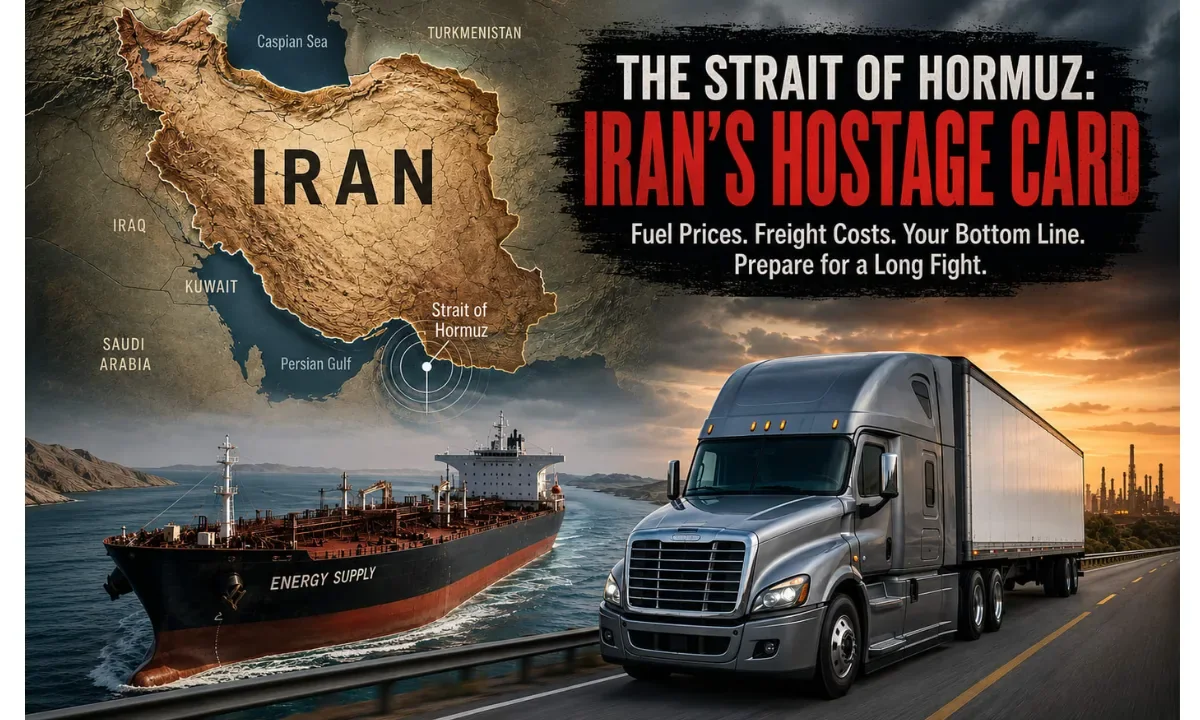
Fuel prices will remain high for years, experts warn. The current surge is just the beginning, and it may take up to two years for prices to return to normal levels once the disruption ends.
The Strait of Hormuz, a vital waterway in the Middle East, has become a critical factor in global energy trade. Its closure has resulted in a significant increase in fuel prices, with no clear end in sight.
History suggests that the current situation is not a temporary disruption but rather a long-term consequence of the ongoing conflict between Iran and the United States.

The Strait's importance cannot be overstated, as it handles approximately 20% of global petroleum consumption and one-quarter of all seaborne oil trade. This makes it a crucial chokepoint in the global energy market.
Other vital trade goods, such as agricultural fertilizers, also rely on transit through the Strait to reach world markets, including U.S. markets.
The closure of the Strait has resulted in significant economic losses for industries that rely on timely and efficient transportation of goods.

The industry must prepare for a prolonged period of high fuel prices, which could have far-reaching consequences for businesses and consumers alike.
To mitigate the impact of these price increases, companies may need to consider alternative routes or suppliers, invest in more fuel-efficient vehicles, or explore other options for reducing their reliance on the Strait.
Ultimately, the industry must be prepared for a long siege of high fuel prices, which could last for up to two years or
The industry must be prepared for a prolonged period of high fuel prices due to the closure of the Strait of Hormuz.