

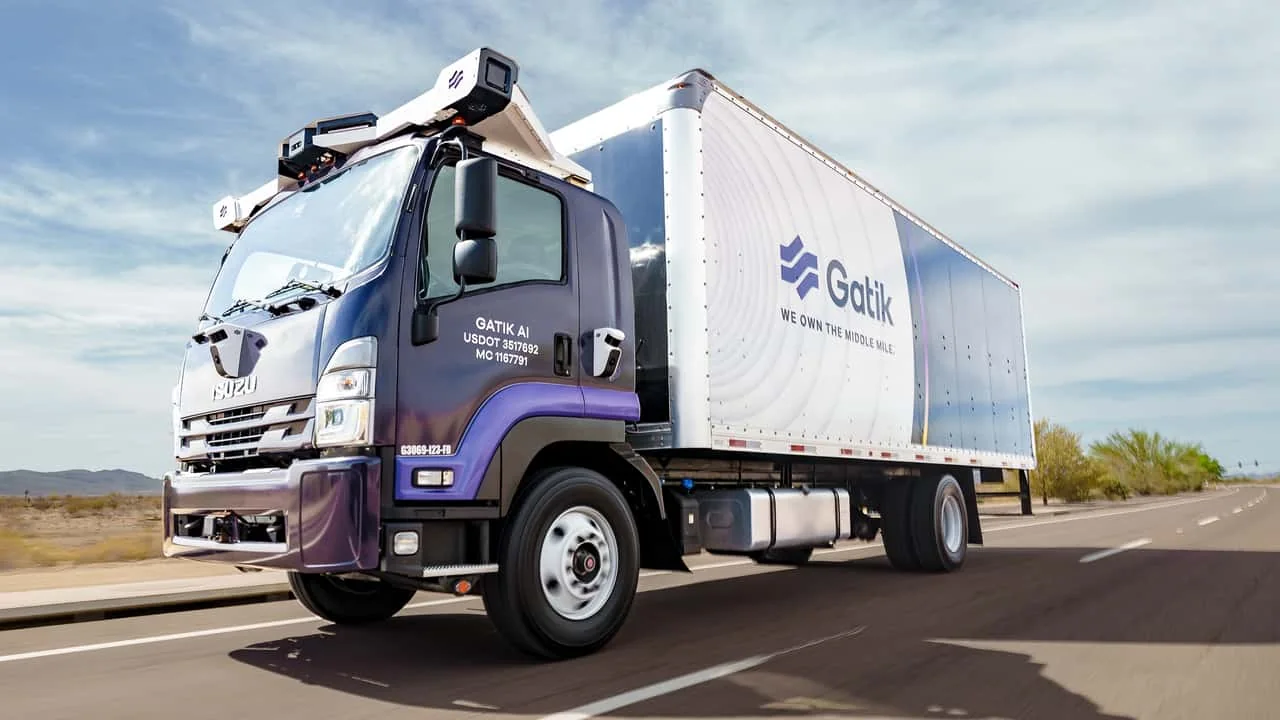
Gatik's autonomous Isuzu trucks are already ferrying cargo for PepsiCo in Texas, Arizona, and Arkansas. This marks a significant expansion of the company's use of driverless technology in its logistics operations. By leveraging autonomous vehicles, PepsiCo aims to improve the efficiency and reliability of its delivery services. The move is part of the company's efforts to stay competitive in the rapidly evolving logistics landscape.
The use of autonomous box trucks by PepsiCo is a notable example of the growing adoption of driverless technology in the US supply chain. As more companies begin to invest in autonomous solutions, it is likely that we will see significant improvements in delivery times and costs. The benefits of autonomous delivery are clear, with reduced labor costs and increased safety being two of the most notable advantages.
Gatik's autonomous Isuzu trucks have already demonstrated their capabilities in various testing environments. The company has partnered with PepsiCo to deploy its technology in several locations across the United States. This partnership is a significant step forward for Gatik, which is positioning itself as a leader in the autonomous delivery space.
The expansion of PepsiCo's use of driverless box trucks is expected to have a positive impact on the environment. By reducing the number of vehicles on the road and decreasing fuel consumption, autonomous delivery solutions can help to mitigate the negative impacts of transportation on the environment. As more companies adopt autonomous technology, we can expect to see significant reductions in greenhouse gas emissions.
While the use of autonomous box trucks is still a relatively new development, it is clear that this technology has the potential to revolutionize the logistics industry. The benefits of autonomous delivery are numerous, with improved efficiency, reduced costs, and increased safety being just a few of the most notable advantages.
The adoption of autonomous delivery solutions is expected to be driven by advances in sensor technology and machine learning algorithms. As these technologies continue to improve, we can expect to see even more widespread adoption of driverless vehicles in the logistics industry.
PepsiCo's decision to expand its use of driverless box trucks is a significant step forward for the company. By leveraging autonomous technology, PepsiCo aims to stay ahead of the competition and improve its delivery services. The move is also expected to have a positive impact on the environment, reducing greenhouse gas emissions and decreasing fuel consumption.
As the logistics industry continues to evolve, it is likely that we will see even more widespread adoption of autonomous delivery solutions. Companies like PepsiCo are positioning themselves as leaders in this space, and their investments in driverless technology are expected to pay off in the long run.
The adoption of autonomous delivery solutions is expected to increase efficiency and reduce costs in the industry.