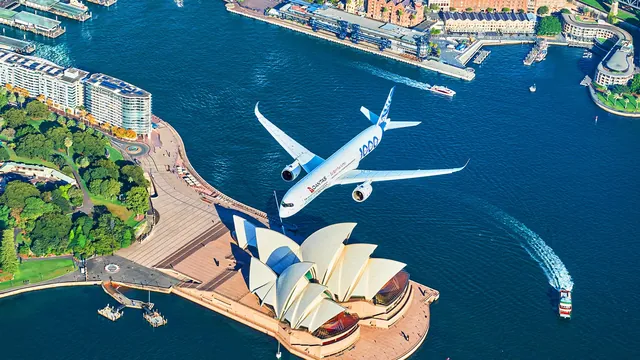



The Boeing 787 Dreamliner was the first commercial airliner built primarily from carbon fiber reinforced polymer, a material choice that promised lighter weight, better fuel efficiency, lower maintenance costs, and a more comfortable passenger cabin than any aluminum aircraft could deliver. More than 1,200 Dreamliners are now in service worldwide, and the airframe has largely delivered on those promises.
However, the material that makes it efficient also fails differently than the aluminum it replaced, and the global manufacturing model Boeing used to build the aircraft introduced quality challenges that have followed the program since its first deliveries.
The 787 production history includes fleet-wide gap defects, composite contamination during fabrication, supplier errors affecting hundreds of airframes, and whistleblower allegations about assembly practices at Boeing's South Carolina facility.

Understanding why those problems exist requires understanding how carbon fiber behaves under stress, and why building a composite fuselage across four manufacturers on three continents is harder than building one from aluminum under a single roof.
The fundamental construction change was manufacturing each fuselage section as a single large composite barrel rather than riveting together hundreds of aluminum panels. Boeing eliminated 1,500 aluminum sheets and between 40,000 and 50,000 fasteners per aircraft through that approach.
This weight reduction translates directly into fuel savings. A lighter airframe requires less thrust to maintain cruise, which reduces fuel burn per seat mile and extends the range achievable on a given fuel load.

The 787 burns approximately 20% less fuel per seat than the 767 it was designed to replace, and the composite fuselage is the single largest contributor to that improvement.
Furthermore, the material also does not corrode, which removes one of the most persistent maintenance requirements on aluminum airframes and reduces long-term operating costs.
The use of composite materials in aircraft construction presents unique challenges that must be addressed to ensure safety and reliability.