

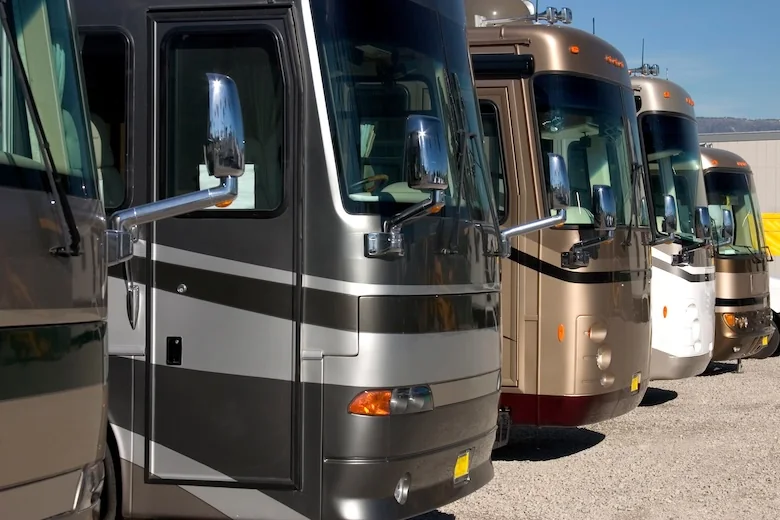
Recreational vehicles (RVs) are among the highest-value units a dealer sells, making their safe transport a business-critical operation. A single damaged unit on arrival can mean a delayed sale, an unexpected repair bill, and a frustrated buyer. Without real-time oversight, damage and loss can create problems that compound quickly.
Telematics systems that transmit live vehicle location, driver behavior, and vehicle health data wirelessly to fleet managers can provide the tools to prevent these outcomes before they happen. This technology offers visibility into current locations, route progress, and stops, as well as automated alerts for unexpected deviations.
RVs present unique transport challenges due to their size and height, which create exposure to road hazards, rollover risks, and costly specialty components. A single damage claim can erase margins on multiple deliveries, highlighting the high stakes of RV transport.

Commercial fleets experience an annual accident rate of 20%, significantly higher than noncommercial vehicles. In fact, U.S. employers collectively incur more than $60 billion annually from vehicle accidents, including repairs, liability claims, legal fees, and lost productivity. This underscores the importance of proactive measures to prevent accidents.
Real-time GPS tracking can help identify developing situations until a driver calls in, allowing managers to respond proactively rather than reactively. This technology creates a clear chain-of-custody record for every unit, providing independently verifiable evidence in case of damage disputes.
Timestamped GPS data and dashcam footage carry significant documentation value, helping to reduce fraudulent claims by providing objective records of when and where incidents occurred. This can also improve coordination with receiving dealerships by providing accurate estimated time of arrival (ETA) data.
Real-time tracking strengthens accountability across the entire delivery chain by enabling operators and dealerships to share access to the same live data. This narrow communication gap allows both parties to work from the same set of facts, reducing errors and improving overall safety.
By leveraging real-time fleet monitoring, RV transport operators can reduce damage and loss, improve customer satisfaction, and increase profitability. Proactive maintenance and driver accountability are crucial to achieving these benefits.
The integration of telematics technology into RV transport operations is a critical step towards enhancing safety and reducing costs. By adopting this approach, fleets can mitigate risks and create a more efficient, effective delivery process.
Proactive maintenance and driver accountability are crucial to reducing damage and loss during RV transport.