


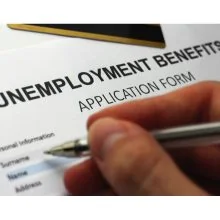
The US jobless claims have fallen, pointing to a resilient labor market. The latest data from the Labor Department shows that initial claims for state unemployment benefits decreased by 3,000 to 209,000 for the week ended May 16. This decrease is a positive sign for the economy, as it indicates that employers are not reducing headcount in response to rising costs. However, economists caution that there could be some spillover effects from the ongoing conflict with Iran on the labor market, which may take time to manifest.
The ongoing US-Israeli conflict with Iran has had a significant impact on global energy prices and supply chains. The disruption of shipping in the Strait of Hormuz has led to higher oil prices, which could have a ripple effect on the labor market. Despite this, the labor market remains stable, suggesting that employers are not yet responding to rising costs by reducing headcount.
The Federal Reserve is expected to keep its benchmark overnight interest rate in the 3.50%-3.75% range into next year. The minutes of the Fed's April 28-29 meeting published on Wednesday showed concerns about inflation due to the conflict, but also indicated that policymakers expect labor market conditions to remain stable in the near term.
The number of people receiving unemployment benefits after an initial week of aid increased by 6,000 to a seasonally adjusted 1.782 million during the week ended May 9. This increase suggests that hiring is still happening, despite the ongoing conflict and rising costs.
The labor market data also showed that payrolls increased by 115,000 jobs in April after rising 185,000 in March. This indicates that employment is still growing, albeit at a slower pace.
The decline in jobless claims is a positive sign for the economy, but it's essential to note that the labor market is not immune to external shocks. The ongoing conflict with Iran could have long-term effects on the labor market, and policymakers will need to monitor this closely.
The Federal Reserve's focus on inflation suggests that they are aware of the potential impact of rising costs on the labor market. However, the stability of the labor market indicates that employers are not yet responding to these costs by reducing headcount.
The US jobless claims fall is a welcome relief for the economy, but it's essential to remember that the labor market is complex and influenced by many factors. Policymakers will need to carefully monitor this data and adjust their policies accordingly.
In conclusion, the decline in jobless claims suggests that the labor market is resilient, but the ongoing conflict with Iran could have long-term effects on employment. The Federal Reserve's focus on inflation indicates that they are aware of these potential risks and will take steps to mitigate them.
The labor market's stability suggests the Fed can keep policy steady for now.