

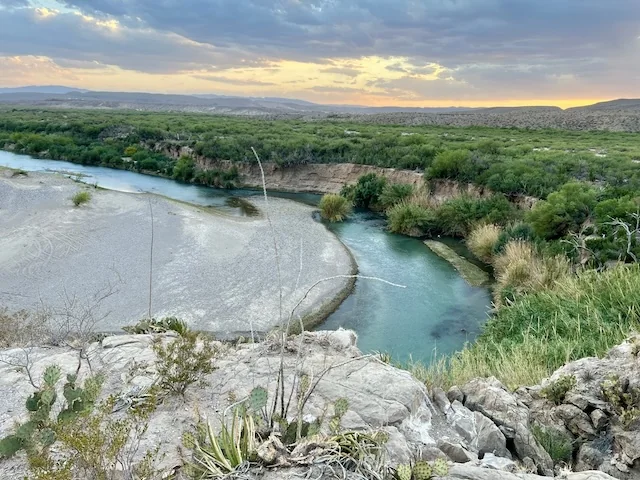
The Trump administration has taken a significant step towards constructing border barriers through Big Bend National Park and Big Bend Ranch State Park, waiving dozens of environmental laws to speed up the process. This unprecedented move marks the first time in American history that the federal government has cast aside a broad slate of environmental laws in a national park. The Department of Homeland Security's waiver authorizes construction of border barrier infrastructure, including fencing, barriers, roads, lighting, cameras, and sensors.
The Center for Biological Diversity has expressed outrage over this decision, stating that it is 'disgraceful' and 'targeting Texas' most beloved national park'. Laiken Jordahl, national public lands advocate at the Center for Biological Diversity, fears that the destruction of Big Bend National Park will have a lasting impact on its natural heritage and the Rio Grande.
The construction plans include steel vehicle barriers and patrol roads along the U.S.-Mexico border, which spans over 100 miles within the park. This move is expected to damage roadless canyon country, impede river access, fragment wildlife habitat, and flood one of America's darkest night skies with artificial light.
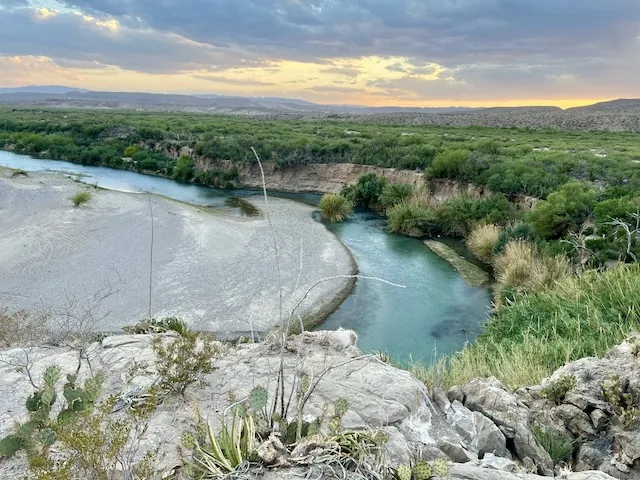
In May, Customs and Border Protection awarded a $1.7 billion contract for border work through the national park, which explicitly states it is 'for border wall through Big Bend'. Another $2.6 billion contract was awarded last week for the Lower Canyons stretch of the Wild and Scenic Rio Grande.
Big Bend National Park spans over 800,000 acres of Chihuahuan Desert, rugged mountains, and Rio Grande river corridor. The park's southern boundary forms more than 100 miles of the U.S.-Mexico border, where construction plans will take place.
The National Park Service and its law enforcement officers have conducted border immigration control activities while preserving Big Bend's natural and historic values for decades. However, militarizing the border is expected to ruin visitors' experiences at the park's most important campgrounds, hiking trails, scenic overlooks, and river access points.
Seven former superintendents of Big Bend National Park wrote a letter in May urging the Department of Homeland Security not to waive laws within the national park. They expressed concerns over the potential damage to the park's ecosystem and cultural heritage.
Customs and Border Protection has refused to provide information regarding its construction plans in the Big Bend sector, fueling speculation and concern among environmental groups.
This move sets a concerning precedent for environmental protection in national parks, potentially undermining the very purpose of these protected areas.