

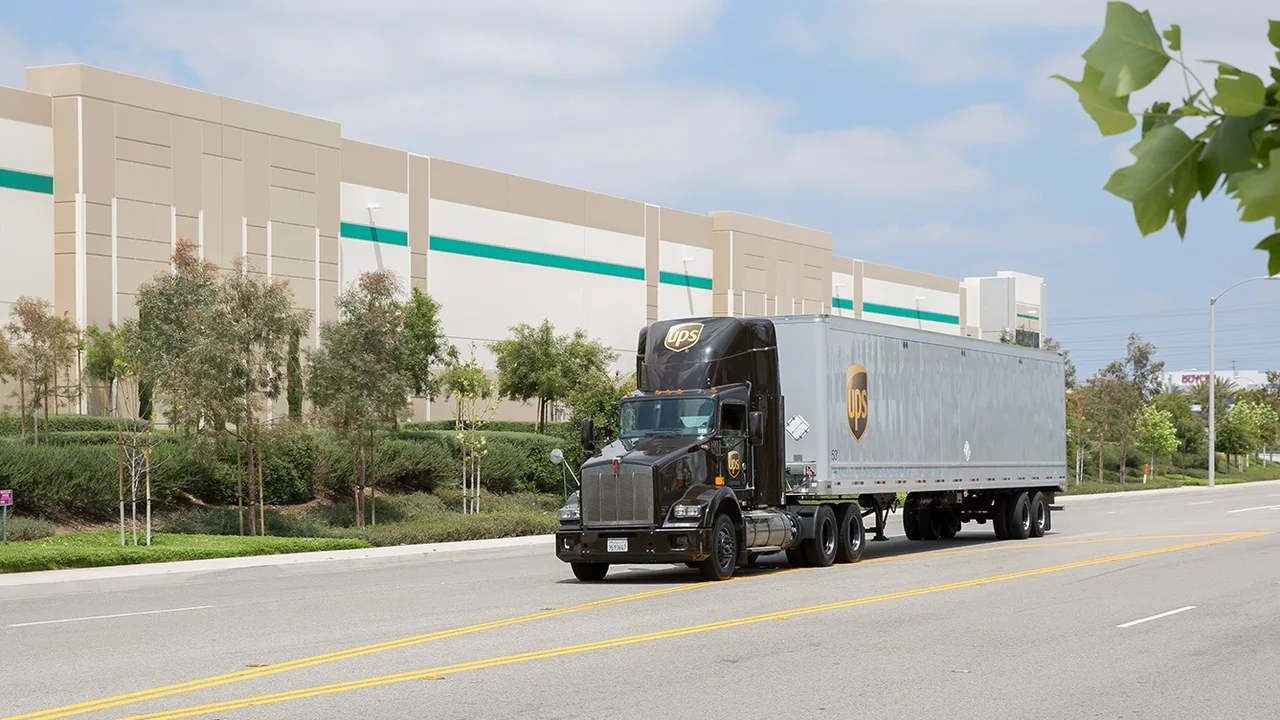
UPS has notified the Teamsters union that it will withdraw its $150,000 buyout program for parcel and linehaul drivers in 13 central states in response to strong protests from local union chiefs. The company's decision comes as part of its efforts to eliminate 30,000 jobs as it downsizes its network amid a reduction in parcel volume. This move may be seen as an attempt to appease the unions and avoid potential labor disputes.
However, the impact on the company's bottom line remains uncertain. The voluntary separation agreements were initially met with skepticism by some drivers, who saw them as a way for UPS to quietly eliminate jobs without facing pushback from the union. Despite this, about 105,000 drivers were eligible for the plan, and 3,000 drivers accepted the deal.
The program was intended to encourage driver departures and reduce labor costs. However, the decision to withdraw it in 13 states may indicate that the company is reevaluating its strategy. The unions have argued that the buyout program undermines employment security guarantees and represents direct dealing by management with workers over changes to contract terms.

A federal judge had previously denied a request to block UPS from implementing the Driver Choice program. This decision has significant implications for UPS's efforts to streamline its operations and reduce costs. The company's ability to execute on this plan will depend on its ability to navigate complex labor dynamics.
By withdrawing the buyout program, UPS may be sending a message that it is willing to work with unions to find mutually beneficial solutions. However, this approach also carries risks, particularly if it leads to increased labor costs or decreased productivity. The company's decision highlights the evolving nature of labor relations in the transportation sector.
As companies continue to seek ways to reduce costs and increase efficiency, they must navigate increasingly complex and contentious labor landscapes. UPS's move may be seen as a cautionary tale for other companies considering similar strategies. The union's influence on corporate decisions is likely to remain a significant factor in the years to come.
The decision to withdraw the buyout program in 13 states highlights the significant influence of labor unions on corporate decisions, particularly in the transportation sector. This shift may lead to a more nuanced approach to workforce restructuring.