


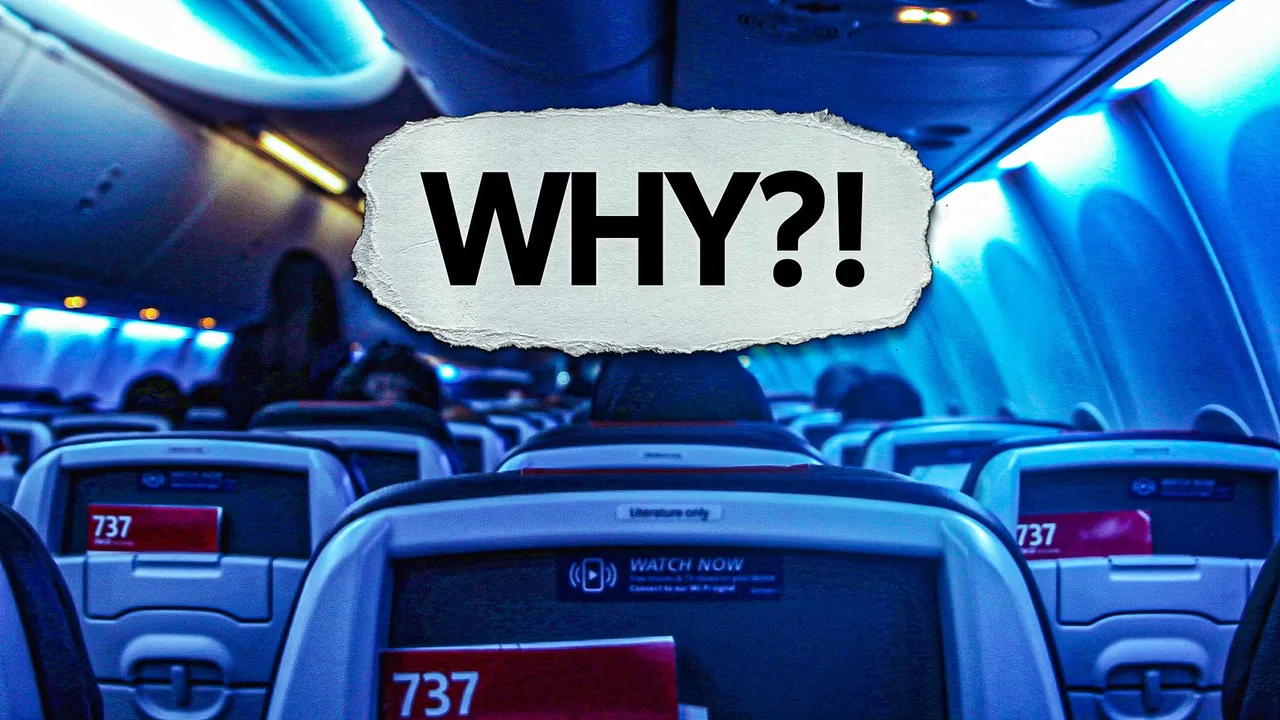
Dimming cabin lights during takeoff and landing is a standard practice in the airline industry, primarily done as a safety precaution. This procedure allows passengers to adapt their eyes to darker conditions before an emergency situation arises. By dimming the lights, airlines can ensure that their flight crew can respond rapidly to any problem while safeguarding the well-being of their passengers.
The two most critical phases of a flight are takeoff and landing, when the likelihood of an accident occurring is at its highest. Emergency situations can be incredibly chaotic, with passengers trying to exit the aircraft in poor visibility. Dimming the cabin lights helps alleviate this issue by providing better visibility for both the crew and passengers.
During boarding, the cabin will be brightly lit as normal, aided by natural sunlight if it's during the day. However, once all passengers are on board and the doors are closed, the aircraft begins taxiing towards the runway as flight attendants complete their final checks. At this point, the flight crew notifies the cabin crew to dim the lights.

The primary reason for dimming the cabin lights is to allow passengers to adapt their eyes to darker conditions before takeoff or landing. Studies have shown that it can take up to 30 minutes for the human eye to fully adjust to darkness, although rapid adaptation occurs within the first five to ten minutes. This initial adaptation phase does not fully optimize the eyes for darkness but still prepares them better to see in dark conditions.
Another reason for dimming the lights is to make emergency lighting more visible. This includes exit signs and floor path lighting, illuminating the path for passengers to safely exit the aircraft. During moments of impaired visibility, such as smoke or fires in the cabin, this feature becomes crucial.
The practice of dimming the cabin lights has been firmly grounded in science and industry experience accumulated over decades. By understanding how light affects human vision, airlines can take proactive measures to enhance safety during critical phases of flight.

Airline pilots like Patrick Smith emphasize the importance of adapting to changing light conditions for enhanced situational awareness. By dimming the lights, passengers can better see emergency lighting, such as exit signs and floor path lighting, which is vital in emergency situations.
The industry standard has been adopted by airlines worldwide, with each following similar procedures to ensure passenger safety during takeoff and landing. This standardized practice highlights the airline's commitment to prioritizing the well-being of their passengers above all else.
By taking these simple precautions, airlines can significantly reduce the risk of accidents during critical phases of flight. The dimming of cabin lights is a testament to the industry's dedication to prioritizing safety and protecting its passengers.

Airline pilots emphasize the importance of adapting to changing light conditions for enhanced situational awareness.