
Daily news
News
Daily updates from transport, logistics, equipment, and mobility.
Aviation
Back to homeLatest articles
Simple Flying·Aviation·Jun 12, 2026
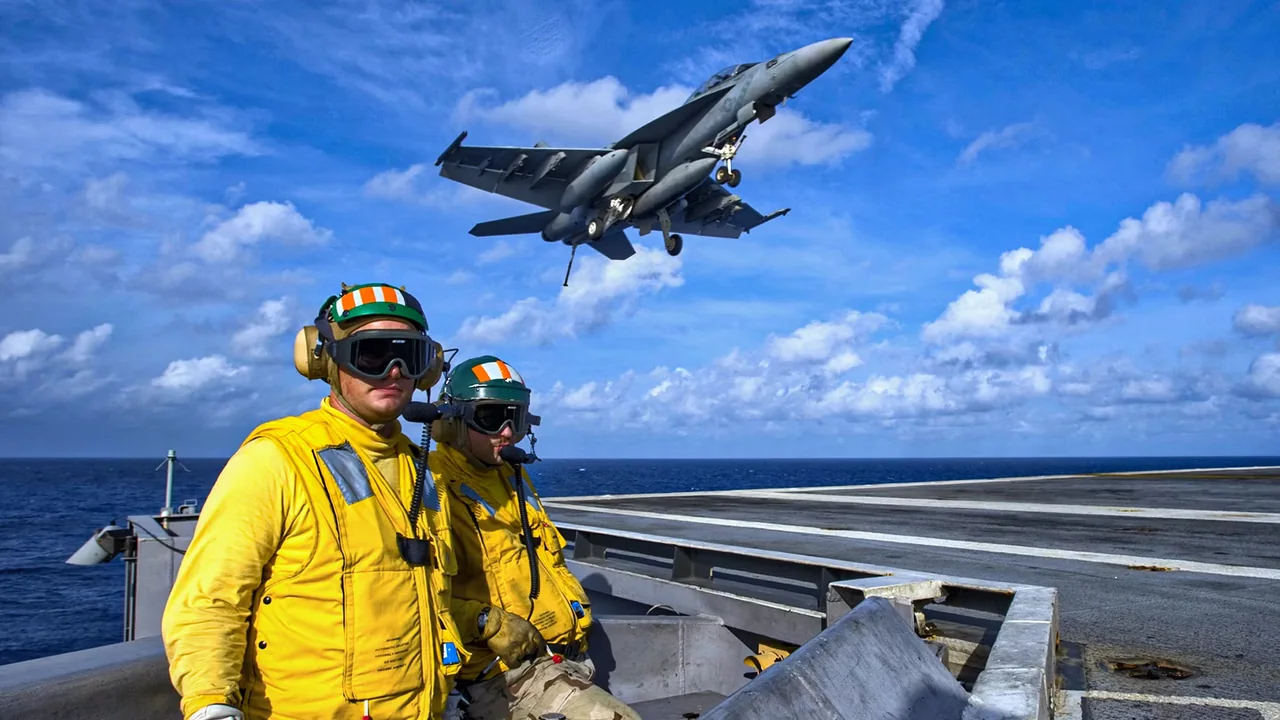
F/A-18s' Extreme Angles Of Attack Revealed
The F/A-18 Hornet is famous for its dramatic landing approach, which is a result of the physics of landing on a short flight deck. The aircraft needs to snag the arresting wire and maintain control while advancing engines to 100% throttle in case of a failed tailhook catch. Landing on aircraft carriers is more difficult than conventional runways due to the need for immediate engine power to prevent the aircraft from tumbling into the sea if the tailhook fails. This requires carrier-based jets to execute high angles of attack. The US Navy's F/A-18s are designed with a high angle of attack (around 8°) to cope with the strain of carrier operations and maintain control during landing. However, this also means they are heavier than their land-based counterparts due to structural reinforcement. Carrier-based fighter jets receive adaptations such as robust landing gear and other reinforcements to withstand the stress of repeated takeoffs and landings on carriers. The F/A-18's design is a trade-off between carrier operations and ground-based performance, with the latter being sacrificed for the former. This is reflected in the shorter life cycles of naval fighter jets compared to their land-based counterparts. One reason naval fighter jets are rarely sold as second-hand aircraft is that they experience wear and tear due to salt-air exposure, which shortens their lifespan. The need for high angles of attack also depends on pilot visibility and the controlled high descent rate ('Slam') required during carrier landings. The F/A-18's design prioritizes these factors over other considerations. In contrast, retiring land-based fighter jets like the F-16 can expect longer service lives due to reduced exposure to salt-air and less strain from carrier operations. The F/A-18's extreme angles of attack are a testament to its unique design requirements for carrier-based operations, highlighting the trade-offs made in aircraft development between different operational environments.

Simple Flying·Aviation·Jun 12, 2026
American Airlines To Replace Aging 777-200ERs With New Long-Haul Jets
American Airlines has initiated talks with Boeing and Airbus to replace its aging 777-200ER fleet, a vital component of its international network. The carrier's CEO, Robert Isom, announced the plans at the shareholders' meeting on June 10, citing the need for long-term investments to improve the business. The aging widebody jets are nearing 25 years old and will receive a final round of upgrades before retirement in the 2030s. Isom emphasized that preparation will begin well in advance of the fleet's sunset, given the current timeline for delivery of new long-haul airliners from both major planemakers. The airline is considering purchasing both the 787 Dreamliner and the A350 Xtra Wide Body, with a focus on fleet diversification in its 2024 procurements. The 280-seat 787-9 offers the closest match in capacity to the 273-seat 777-200ER, while both the 787-10 and A350-900 would bring a significant increase in seating capacity. The recent Increased Gross Weight upgrade to the new 787s has improved payload and range, making the Dreamliner an attractive platform for American Airlines. The replacement of aging aircraft with newer models will require significant investments in maintenance and training, but it also presents opportunities for improved efficiency and reduced costs. American Airlines' decision to diversify its fleet is likely driven by a desire to stay competitive in the rapidly evolving aviation industry. The airline's long-haul fleet plays a critical role in its international network, and upgrading these aircraft will be essential for maintaining competitiveness.

Simple Flying·Aviation·Jun 12, 2026
Airbus A320 Family Surpasses 20,000 Orders
The A320 family has crossed one of the most significant milestones in commercial aviation history, surpassing 20,000 cumulative orders. This achievement further solidifies the aircraft family's position as the world's best-selling commercial aircraft family. The milestone is particularly noteworthy because it comes more than four decades after the Airbus A320 program was launched as a challenger to Boeing's dominant 737. The A320 family has transformed Airbus from an upstart competitor into the world's leading commercial aircraft manufacturer, with the narrowbody strategy accounting for over three-quarters of all Airbus commercial aircraft orders ever placed. This success is a result of the manufacturer's ability to innovate and adapt to changing market demands. Airbus recorded 207 gross A320-family orders during May, pushing the program's cumulative total to 20,169 aircraft. The orders formed the backbone of Airbus' 379 gross orders booked during the month, highlighting the continued strength of demand for the manufacturer's narrowbody products. The order from China Southern Airlines was particularly significant, with the airline committing to 102 additional aircraft, including 79 Airbus A321neo s. This reinforces Airbus' strong position in China and demonstrates the continuing appeal of the larger A321neo. Xiamen Airlines ' order for 35 A321neos was arguably even more interesting, as the carrier has historically been closely associated with Boeing and was one of the largest 737 operators in China. The additional A321neo commitment shows that it is tilting further towards Airbus. The A320 family's importance to Airbus cannot be overstated, accounting for roughly 77% of all Airbus commercial aircraft orders to date. No other Airbus program comes remotely close. Airbus' narrowbody strategy has been a key driver of success, with the A320 family now accounting for more than three-quarters of all Airbus commercial aircraft orders ever placed. This strategy has allowed the manufacturer to stay competitive in an increasingly crowded market. The continued demand for narrowbody aircraft is driven by the growing need for airlines to manage fuel costs and reduce emissions. The A320 family's efficiency and range capabilities make it an attractive option for many carriers. As Airbus continues to expand its order book, the company will likely focus on delivering these aircraft to customers around the world, further solidifying its position as a leading commercial aircraft manufacturer.

Simple Flying·Aviation·Jun 12, 2026
Flight Attendants Never Really Clock Out
Frontier Airlines flight 3345 diverted to Miami due to a passenger's actions, highlighting the ongoing challenges faced by flight attendants in maintaining safety and order on board. The incident occurred on May 31, 2026, when passenger Juan Gabriel Reyes attempted to open an emergency exit door, leading to a confrontation with an off-duty flight attendant. The primary role of a flight attendant is to ensure passenger safety, and providing comfort is secondary. They are heavily trained in dealing with emergencies, including medical emergencies, onboard fires, and emergency evacuations on the ground or water. Cabin crew are also trained to deal with disruptive or difficult passengers and to de-escalate any potential issue. However, even when flying as a passenger, an off-duty flight attendant may be asked to sit next to an emergency exit, as they know how to operate it in an emergency. In an evacuation, it would be normal for an off-duty flight attendant to participate and help evacuate the aircraft. The incident on Frontier Airlines flight 3345 demonstrates that even when not on duty, a flight attendant's instincts can kick in to protect passenger safety. The off-duty flight attendant's actions prevented a potentially catastrophic situation, highlighting the importance of their training and preparedness. Reyes' actions were not only threatening but also demonstrated a lack of understanding of airline safety protocols. Flight attendants are trained to respond to such situations, and their quick thinking and intervention likely saved lives. The incident raises questions about the effectiveness of airline security measures and the need for continued training and awareness among passengers. It is essential that passengers understand the risks associated with attempting to access emergency exits or engaging in disruptive behavior on board. Flight attendants are not just trained to respond to emergencies but also to de-escalate conflicts and maintain order on board. The incident highlights the importance of their role in ensuring passenger safety and comfort. The fact that an off-duty flight attendant was able to intervene and prevent a potentially severe situation underscores the value of their training and experience. Flight attendants are not just employees but also guardians of passenger safety. As airlines continue to evolve and adapt to changing safety protocols, it is crucial that passengers remain vigilant and aware of their surroundings on board.

Simple Flying·Aviation·Jun 11, 2026
Most Expensive First Class Tickets
Luxury air travel remains a unique segment in the aviation industry, with first-class cabins offering exclusive experiences for discerning travelers. These cabins are designed to provide comfort, exclusivity, and personalized service, making them a sought-after experience for those willing to pay a premium. The cost of luxury air travel is influenced by various factors, including route, booking date, seasonality, demand, aircraft type, and fare availability. As a result, compiling a list of the world's most expensive first-class airline tickets can be challenging due to varying pricing data and limited route options. Airlines like ANA and SWISS have invested heavily in creating unique first-class products that cater to the needs of high-end travelers. The focus on service quality and attention to detail is evident in these airlines' approach to luxury air travel, setting them apart from competitors. One-way fares for these exclusive experiences can range from $10,000 to $15,000 or more, depending on the route and airline. These prices reflect the premium services offered by ANA and SWISS, including personalized dining, ground services, and amenities that would be impossible in other classes of service. For those willing to splurge on luxury air travel, these airlines offer an unparalleled experience that is worth every penny.

Simple Flying·Aviation·Jun 11, 2026
Boeing Production Rebounds Amid Deliveries Surge
Boeing's commercial aircraft deliveries surged 33% in May compared to the same month a year earlier, with the company handing over 51 examples of the 737 MAX during the month. This marks its strongest monthly performance for the narrowbody jet since production resumed following labor disruptions in late 2024. The increase in deliveries is a positive milestone for Boeing under CEO Kelly Ortberg's recovery strategy, which aims to rebuild output across its commercial programs. Aircraft deliveries are a critical source of cash flow as manufacturers receive substantial payment when jets are handed over to customers. Of the 60 aircraft delivered during the month, 51 were 737 MAX jets, six were 787 Dreamliners, one 777 freighter, and one 767 freighter. The MAX total was the highest monthly figure since Boeing restarted production following a machinists' strike and subsequent manufacturing disruptions. Boeing has been gradually increasing production rates, with recent regulatory approval to raise 737 MAX output. The company is working toward a monthly production target of 47 aircraft later this year. However, Boeing's order performance was more mixed, with the company securing 27 gross orders during May, including an order for 10 Dreamliners from Lufthansa. Despite these gains, 16 cancellations involving the 737 MAX program reduced Boeing's monthly net order total to just 11 aircraft. The decline in order activity is notable when compared with Boeing's stronger order performance earlier in the year. Large commitments from airlines and leasing companies have been instrumental in driving demand for new-generation aircraft. Boeing faces ongoing challenges in converting airline interest into firm contractual demand while rebuilding output across its commercial programs. The company must navigate volatility in the market, including cancellations and changes in customer demand. The May delivery figures represent a significant step forward for Boeing's recovery strategy, but the company must continue to work towards sustaining delivery growth to strengthen its financial position.

Simple Flying·Aviation·Jun 11, 2026
Largest Airports by Land Size
Shanghai Pudong International Airport is the tenth-largest airport in the world by land size, reaching 40.0 km². However, with almost 77 million passengers in 2024, the airport is also one of the world's busiest. This made the airport also the tenth-busiest airport in the world by passenger volume, and the busiest airport in China. The airport serves as a key hub for many airlines, including China Eastern Airlines and Shanghai Airlines, which use it as their main hub. Additionally, China Southern Airlines uses the airport as a secondary hub, and it serves an important role in Air China's international network. As of writing, the airport is undertaking multiple massive expansion projects, including the construction of a new terminal with capacity for 50 million annual passengers and additional runways. These projects will support the airport's growth to 130 million annual passengers. George Bush Intercontinental Airport is the world's ninth-largest airport in terms of land size at 44.5 km². The airport serves as one of the most important hubs for United Airlines, welcoming 48.5 million passengers in 2024. The airport has five terminals connected by a people mover, with Terminals D and E facilitating international arrivals and departures. Terminal D has the required facilities to welcome superjumbos such as the Boeing 747 and Airbus A380. Houston serves as an important international gateway to the U.S., and for a brief moment in 2017 and 2019, the airport had direct flights to all inhabited continents. The reason the airport grew so large in land size is because the city strategically acquired a vast amount of cheap land north of the city when planning the airport in the 1960s, allowing for future expansion and growth as a major hub. The expansion projects at these airports demonstrate the growing importance of cargo and passenger hubs in global aviation. As the world's busiest airports continue to expand, they will play an increasingly critical role in shaping the future of air travel.

Textron Press Releases·Aviation·Jun 10, 2026
E-Z-GO Celebrates National Golf Cart Day
E-Z-GO is celebrating National Golf Cart Day by offering additional savings on qualifying models. Buyers can receive a $1,000 discount on model-year 2025 and 2026 E-Z-GO models from June 12-14. This discount will stack atop existing discounts for eligible vehicles. Consumers can find their local E-Z-GO Authorized Dealer using the dealer locator at https://ezgo.txtsv.com/personal/shopping-tools/find-dealer. E-Z-GO also offers a 40% discount on parts and accessories orders totaling $75 or more through shopezgo.com. Orders of $150 or more will receive free shipping. National Golf Cart Day is observed each year on June 13, which is also the anniversary of E-Z-GO's founding in Augusta, Ga in 1954. E-Z-GO vehicles are still built in Augusta today, where the company employs over 1,000 people. The celebration marks a fun way to celebrate E-Z-GO's history with customers, employees, and the community. E-Z-GO has a special legacy in the sport of golf and transportation industry.
Simple Flying·Aviation·Jun 10, 2026
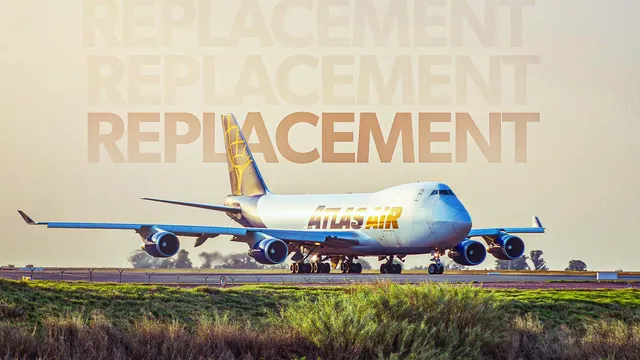
Aircraft Replacing The Iconic Boeing 747 Freighter
The Boeing 747 is no more: the final freighter has been delivered, marking the end of an era for four-engine commercial aircraft. With the production line closed, twinjets have advanced to the same level in terms of reliability and safety, saving operators significant amounts on maintenance and fuel. Twinjet cargo haulers are now the most capable outsized air freighters ever made, offering bulk volume and sheer mass to customers prioritizing these qualities. The Boeing 777-8F is targeting customers who prioritize bulk volume and sheer mass, while the Airbus A350F aims for those concerned with efficiency and lower expenses per mission. A key difference between the two aircraft lies in their design: the 777-8F has a larger internal volume capacity and greater maximum payload than its competitor, but its main deck cargo door is narrower. The A350F boasts an extra-large main deck cargo door and longer legs for ultra-long-haul routes, making it particularly capable on such flights. With the first aircraft in assembly stage and a first flight scheduled for 2026, the A350F program is marginally ahead of its industrial milestones as of late 2025. The shift to twinjet cargo haulers marks a significant change in the air cargo industry, with potential cost savings and increased efficiency. As the Boeing 747's legacy comes to an end, twinjet cargo haulers are poised to take center stage, offering improved performance and reduced operating costs for airlines. With multiple program delays anticipated for the 777-8F, it remains to be seen whether this aircraft will enter service before its competitor. The future of air cargo looks bright with the emergence of twinjet cargo haulers like the Boeing 777-8F and Airbus A350F, promising a more efficient and cost-effective industry.
Simple Flying·Aviation·Jun 10, 2026
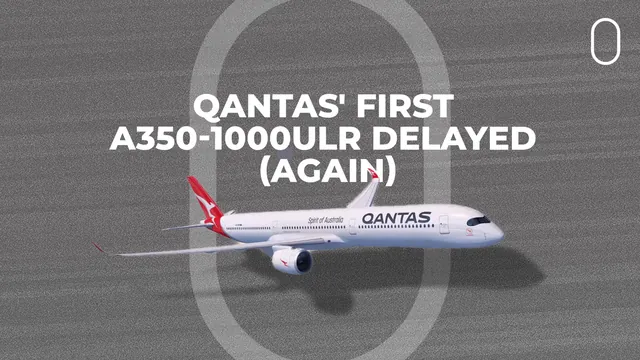
Qantas Airbus Delayed Again
The highly anticipated ultra-long-range Airbus A350-1000 in development to join Qantas' fleet is facing another delay due to undisclosed 'supply chain issues'. According to Airbus, these issues will further push back the delivery of the first A350-1000ULR. The aircraft's production has been plagued by delays and challenges since its announcement, leaving Qantas with a significant wait for its new long-haul plane. The original delivery target for the first A350-1000ULR was at the end of this year, but it is now expected to arrive in early 2027. This delay will undoubtedly cause frustration for Qantas and its passengers who were looking forward to enjoying the benefits of the new aircraft's advanced technology. The Airbus A350-1000ULR is a highly anticipated addition to Qantas' fleet, offering improved fuel efficiency and range compared to existing long-haul planes. However, the ongoing delays highlight the challenges faced by manufacturers in meeting production targets. Supply chain issues have become increasingly common in recent years, affecting various industries beyond aviation. The complexity of modern aircraft production, with its reliance on global supply chains and complex manufacturing processes, makes it particularly vulnerable to such disruptions. The impact of these delays will be felt across Qantas' operations, from flight schedules to crew planning. As the airline continues to navigate these challenges, it is essential that it prioritizes communication with passengers and stakeholders. Despite the setbacks, Airbus remains committed to delivering the A350-1000ULR to its customers. The company's focus on innovation and quality will likely see the aircraft enter service once production issues are resolved. The delay also raises questions about Qantas' long-term fleet plans and its ability to adapt to changing market conditions. Will this delay impact the airline's decision to expand its A350-1000ULR order? As the aviation industry continues to evolve, manufacturers must prioritize flexibility and resilience in their production processes. This includes investing in new technologies and supply chain management strategies. The Qantas Airbus delay serves as a reminder of the importance of effective communication and stakeholder engagement in managing complex projects. As the airline moves forward, it is crucial that it maintains open dialogue with its customers and partners.
Loading more news