Daily news
News
Daily updates from transport, logistics, equipment, and mobility.
Maritime
Back to homeLatest articles

MarineLink News·Maritime·Jun 12, 2026
ClassNK CEO Sees Future in Artificial Intelligence
The ClassNK organization is at a pivotal moment in its history, driven by the need for innovation and adaptability. For Hayato Suga, CEO and President of ClassNK, the current industry landscape is unlike anything he has experienced throughout his career. The pace of technological advancements has accelerated significantly, presenting both opportunities and challenges that must be addressed head-on. The maritime industry is undergoing a profound transformation, driven in large part by advances in artificial intelligence (AI). As Suga sees it, AI has the potential to revolutionize ship design and operations, enabling more efficient and sustainable practices. By leveraging AI, ClassNK can improve risk prediction, enhance safety assessments, optimize environmental performance, streamline surveys, and fundamentally change how technical services are delivered. Suga's vision for ClassNK is one of transformation, driven by a commitment to embracing emerging technologies like AI. Internally, the organization is already utilizing generic AI tools to boost workforce productivity and operational efficiency. However, Suga's ambitions extend far beyond these initial applications. He envisions a future where responsiveness itself becomes a competitive differentiator. The evolution of classification is taking on new significance as ClassNK develops more specialized maritime-focused AI applications designed to support both internal workflows and client services. By doing so, the organization is positioning itself at the forefront of this technological shift. Suga's goal is to create a faster, more integrated technical decision-support partner that can provide actionable insights and recommendations. The establishment of a dedicated Digital Division reflects ClassNK's confidence in the transformative power of emerging technologies like AI. This structural shift underscores the organization's commitment to staying ahead of the curve and adapting to the changing needs of the maritime industry. As Suga notes, classification is evolving beyond its traditional role as a certifier toward becoming a more dynamic and responsive partner. This shift is driven by the recognition that technical services must be delivered in a more agile and adaptive manner. By embracing AI and other emerging technologies, ClassNK can tap into this trend and position itself for long-term success. The future of the maritime industry will be shaped by its ability to harness the power of AI and other emerging technologies. As Suga sees it, ClassNK is well-positioned to lead this charge, leveraging its expertise in classification to drive innovation and growth. By doing so, the organization can help create a more sustainable, efficient, and responsive maritime sector. The implications of this technological shift extend far beyond the boundaries of ClassNK itself. As the industry continues to evolve, it's essential for stakeholders to stay informed about the latest developments and trends. By embracing AI and other emerging technologies, the maritime industry can unlock new opportunities for growth, innovation, and sustainability. As Suga looks to the future, he is clear about his vision for ClassNK's role in this technological landscape. The organization's commitment to innovation and adaptability will be key to its success, as it seeks to drive positive change and shape the future of the maritime industry.

MarineLink News·Maritime·Jun 12, 2026
US Sanctions Cuban State Oil Company
Cuba's energy crisis deepens as US sanctions take effect State-run CUPET is in charge of Cuba's oil production, refining, and fuel imports The strict US blockade has prevented the island from receiving crude or fuel for months Fuel scarcity affects power generation, leaving many without electricity The UN human rights chief warns of 'widespread harm' caused by US sanctions Cuba's latest oil import arrived from Russia in late March, giving the island a breather amid acute scarcity Washington has blocked any oil supplies from Venezuela, which used to be Cuba's largest oil provider The US Treasury freezes assets of state-run oil company CUPET and bars Americans from dealing with it Cuba rejects allegations of using energy as a tool of social control and kleptocratic profit
MarineLink News·Maritime·Jun 12, 2026
Ethanol Gains Traction as Marine Fuel
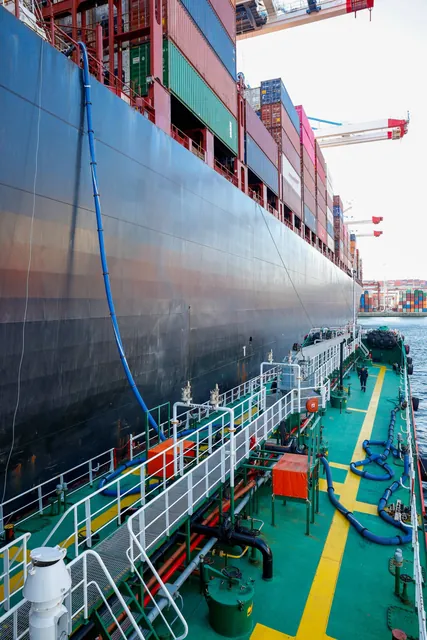
The global shipping industry is turning to ethanol as a marine fuel to cut emissions, with abundant supply and lower cost making it more attractive than other low-carbon fuels. Renewed interest follows mounting pressure on the industry to manage oil price uncertainty, highlighting the risks of conventional fuel supplies. The use of ethanol in shipping could open a new demand channel for the fuel, which is blended into gasoline in some countries, while offering shipowners another pathway to cut conventional fuel use. Volatile fossil fuel prices strengthen the long-term case for fuel diversification, according to maritime adviser Chris Chatterton at the Global Centre for Green Fuels. Ethanol's incremental deployment on existing methanol-ready vessels with no major retrofit and capital commitment is a key advantage in this environment. The shipping industry has been testing alternatives to fuel oil, including liquefied natural gas, ammonia, biodiesel, and methanol. Maersk completed its first two sailings on 100% ethanol, following earlier tests of 10% and 50% ethanol blends on a vessel designed to run on either methanol or fuel oil. Ethanol is relevant to explore because it has an established global market and existing infrastructure, and it shares properties similar to methanol, according to Maersk. Singapore-based shipping group X-Press Feeders trialed a marine fuel blend consisting of 10% ethanol and 90% methanol on a container vessel in Rotterdam. Brazil-based Vale has contracted with China's Shandong Shipping Corp to build two vessels that can operate on ethanol, methanol, or heavy fuel oil. Ethanol can run on an existing methanol-compatible engine without major retrofits, according to engine-makers including Switzerland's Everllence. The number of methanol-capable vessels is expected to reach 450 by 2030, up from 107 in 2025, DNV data showed. About 313 of those 450 vessels are newbuilds on order. Green methanol faces near-term supply constraints, which is why ethanol is being introduced into the mix, according to GCGF's Chatterton. Maersk has been explicit that methanol availability is one of the principal challenges in scaling alternative fuels, and that is precisely why ethanol is being explored as a complement.
MarineLink News·Maritime·Jun 12, 2026
Iran Blocks Tanker from Entering Strait of Hormuz
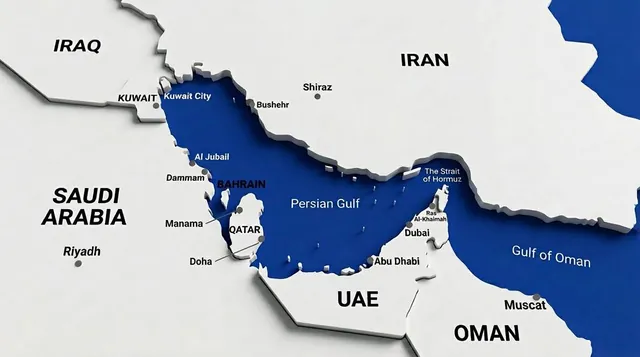
Iranian forces have prevented a tanker from transiting the Strait of Hormuz without coordination, state media reported early on Friday. This move is part of a broader effort by Iran to assert its dominance in the region's critical waterways. The closure of the Strait of Hormuz has significant implications for global shipping and energy markets. The Iranian government's decision to block tankers from entering the Strait of Hormuz is a clear demonstration of its willingness to use military force to protect its interests. This move could lead to increased tensions between Iran and other countries in the region, potentially disrupting global supply chains and fueling economic instability. Despite reports of explosion sounds near Bandar Abbas port city, state news agency IRNA later clarified that no actual explosions had occurred. Any sounds heard in the area may have been related to military activity in maritime areas, rather than a direct attack on the port itself. The Iranian top joint military command announced the closure of the Strait of Hormuz, including oil tankers and commercial ships, stating that any vessel attempting passage would be shot at. This move is likely intended to deter foreign vessels from entering the region without permission. A military source confirmed that an oil tanker was confronted by Iranian forces near Sirik coast after attempting to pass through the Strait of Hormuz. The tanker later complied with the ban on transit after receiving warnings from the IRGC Navy. The United States and Iran have been engaged in talks about a potential peace deal that could reopen the Strait of Hormuz to shipping. However, Iran has yet to make a final decision on an agreement, leaving the status of the waterway uncertain. President Donald Trump expressed optimism about the possibility of a US-Iran peace deal, stating that it could be signed as soon as this weekend. However, Iran's stance on the matter remains unclear, adding to the uncertainty surrounding the Strait of Hormuz closure. The recent developments in the Strait of Hormuz highlight the need for greater regional cooperation and diplomacy to prevent conflicts over maritime resources. The international community must work together to find peaceful solutions to these disputes and ensure the free flow of trade and commerce. As tensions between Iran and other countries in the region continue to escalate, it is essential to monitor the situation closely and engage in diplomatic efforts to resolve these disputes peacefully. The Strait of Hormuz closure has significant implications for global shipping and energy markets, making it crucial to address this issue through dialogue and cooperation.
MarineLink News·Maritime·Jun 12, 2026
Bergen Shipowner Receives Maritime Leadership Award
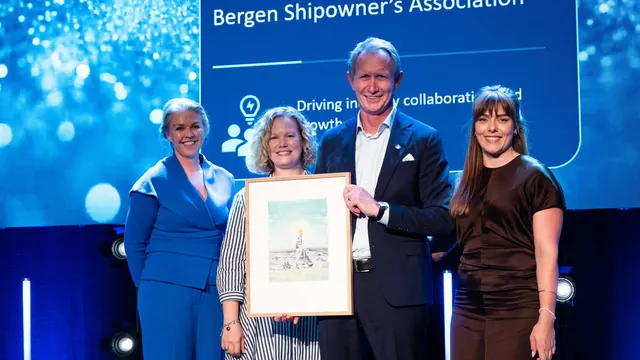
Trygve Nøkleby, Managing Director of the Bergen Shipowners Association, has been named the recipient of the 20th annual WISTA Norway Leadership Award. The award was presented at the Bergen International Shipping Conference on June 10. This honor recognizes an individual who has demonstrated outstanding leadership, inspired others, and made a significant contribution to the maritime industry. Nøkleby's achievement is a testament to his dedication to promoting diversity and inclusion in the industry. The WISTA Norway Leadership Award is a prestigious recognition of an individual's commitment to creating positive change in the maritime sector. As Managing Director of the Bergen Shipowners Association, Nøkleby has been instrumental in promoting diversity and inclusion through various initiatives. His efforts have helped create stronger recruitment pathways, mentoring opportunities, and platforms that encourage broader participation in maritime careers. Nøkleby's leadership has also extended beyond organizational initiatives. He has actively mobilized leaders across the industry to engage in the work of creating a more diverse maritime sector. Through his advocacy, both publicly and behind the scenes, he has helped turn ambition into meaningful and lasting change. The WISTA Norway Leadership Award is not just an individual recognition but also a celebration of the collective efforts of those who have worked tirelessly to promote diversity and inclusion in the industry. The award is presented annually at the Bergen International Shipping Conference, which brings together industry leaders and experts to discuss key issues and trends. Congratulations to all nominees who have been recognized for their outstanding contributions to promoting diversity and inclusion in the maritime industry. Their dedication and commitment to creating positive change are an inspiration to us all. The WISTA Norway Leadership Award is a fitting recognition of Trygve Nøkleby's achievements. His leadership has made a significant impact on the industry, and his legacy will continue to inspire others to follow in his footsteps. As the maritime industry continues to evolve, it is essential that we prioritize diversity and inclusion. The WISTA Norway Leadership Award serves as a reminder of the importance of creating a more diverse and inclusive sector that benefits everyone. The Bergen International Shipping Conference provides a platform for industry leaders to share their experiences and best practices. It is an excellent opportunity for networking and learning from one another. Trygve Nøkleby's achievement is a testament to his exceptional leadership skills and his commitment to creating positive change in the maritime industry. His legacy will continue to inspire others to follow in his footsteps and make a meaningful impact on the sector. The WISTA Norway Leadership Award is a well-deserved recognition of Trygve Nøkleby's outstanding contributions to promoting diversity and inclusion in the maritime industry. We look forward to seeing the continued impact of his leadership in the years to come.
MarineLink News·Maritime·Jun 11, 2026
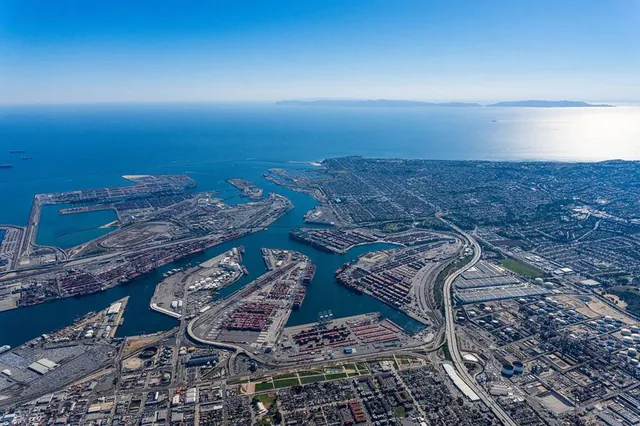
LA Ports Set Sights on $3.4 Billion Budget
The Los Angeles Board of Harbor Commissioners has approved a $3.4 billion annual budget for Fiscal Year 2026/27, marking a significant increase over the previous fiscal year's budget. This boost in funding will enable the Port to invest in critical infrastructure projects, including container terminal modernization and public-access improvements. The increased investment in sustainability initiatives is also expected to have a positive impact on the environment and the community. Despite steady cargo demand predictions, the Port has adopted a cautious approach to planning due to ongoing global trade uncertainty. The budget plan includes a 31% increase in capital improvement spending, with projects focusing on transportation improvements and public-access infrastructure enhancements. This increased focus on infrastructure development is expected to support the Port's long-term growth and competitiveness. The Port of Los Angeles remains committed to community investment and workforce development, with initiatives aimed at supporting local businesses and promoting sustainability. As the leading trade gateway in North America, the Port will continue to play a critical role in shaping the country's economic future. With its forward-looking budget plan, the Port is well-positioned to navigate the challenges of a changing global trade landscape and drive growth for years to come.
gCaptain·Maritime·Jun 11, 2026
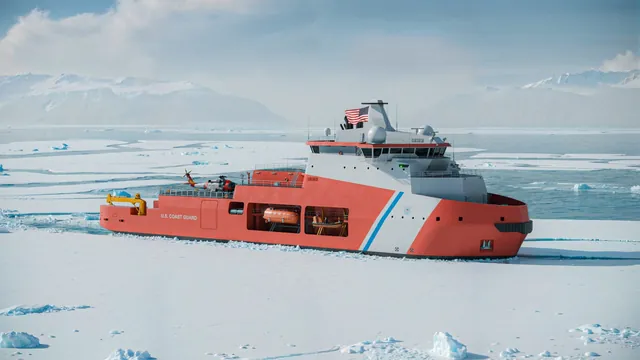
US Coast Guard Unveils Arctic Security Cutter Homeports
The U.S. Coast Guard will homeport its first two Arctic Security Cutters in Kodiak, Alaska, with a third cutter planned for Seward once supporting infrastructure is ready, marking a major step in Washington’s push to expand U.S. icebreaking capacity in the Arctic. This strategic move aims to reinforce America’s maritime dominance in the Arctic and enable the Coast Guard to defend its northern border and meet evolving threats with speed and strength. The announcement follows the Coast Guard’s April decision to base its first two Arctic Security Cutters in Alaska and comes amid a broader effort to rebuild the U.S. icebreaker fleet after years of concern over limited American capability in polar regions. The program is backed by $3.5 billion in Fiscal Year 2025 reconciliation funding and supported by a U.S.-Finland icebreaker cooperation agreement. The Arctic Security Cutter program is intended to speed delivery of new medium icebreakers while strengthening U.S. shipbuilding capacity. In December 2025, the Coast Guard awarded two contracts to a Bollinger Shipyards-led consortium for up to six Arctic Security Cutters. Rauma Marine Constructions of Finland will build up to two vessels with delivery of the first expected in 2028, while Bollinger Shipyards will construct up to four cutters domestically in Louisiana with the first U.S.-built vessel slated for 2029. The investment comes as the United States seeks to close a widening Arctic capability gap with Russia and respond to growing Chinese interest in the region. U.S. officials have repeatedly warned that America’s aging and limited icebreaker fleet is insufficient for emerging operational and national security demands in the far north.

gCaptain·Maritime·Jun 11, 2026
US Navy Secretly Controls Strait of Hormuz
The Strait of Hormuz, a critical waterway for global energy supplies, has been at the center of international tensions between the US and Iran. Recently, President Donald Trump revealed that a secret US military operation has helped hundreds of commercial ships transit the strait, providing a glimpse into the complexities of modern naval operations. This development sheds new light on the role of the US Navy in maintaining maritime stability in the region. The Strait of Hormuz is a vital chokepoint for international shipping, with over 20% of global oil supplies passing through it. The recent revelation that a secret US operation has been supporting commercial shipping in the area highlights the importance of the US Navy's role in ensuring the safe passage of vessels. This operation, which involves a tightly controlled nighttime passage system along the Omani coast, is a testament to the US military's ability to adapt and respond to emerging threats. The use of a covert operation to support commercial shipping is a significant development in the ongoing struggle for influence in the Strait of Hormuz. The fact that this operation has been operating under close coordination with the US Navy suggests that the US is willing to take bold action to protect its interests in the region. This move is likely to be seen as a major blow to Iranian efforts to disrupt shipping in the area. The details of the secret operation, which involve a nighttime passage system along the Omani coast, are still somewhat opaque. However, it is clear that US forces have been working closely with commercial vessels to ensure their safe passage through the strait. This cooperation has resulted in over 200 commercial ships being able to transit the area, moving an estimated 100 million barrels of oil in the process. The use of a
MarineLink News·Maritime·Jun 11, 2026
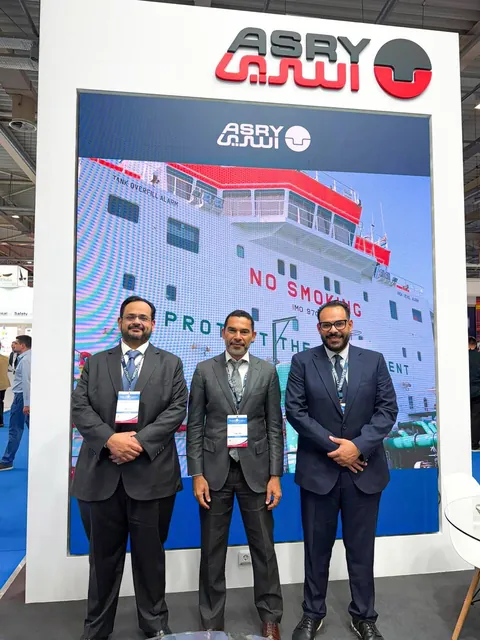
ASRY Expands Maritime Reach at Prestigious Posidonia 2026
ASRY participated in the prestigious Posidonia 2026 exhibition held in Athens, Greece from June 1-5. The event served as a platform for the company to showcase its integrated services and specialized maritime solutions across various sectors of the industry. By attending the exhibition, ASRY aimed to strengthen its engagement with key clients, strategic partners, decision-makers, and representatives of global shipping and maritime operators. The Posidonia 2026 exhibition is considered one of the most prominent events on the global maritime calendar, attracting thousands of exhibitors, visitors, and specialists from around the world. The event provides a unique opportunity for industry players to exchange expertise, showcase the latest innovations, technologies, and solutions in the shipping, logistics, engineering, and marine services sectors. ASRY utilized the exhibition to explore new business prospects and expand opportunities for cooperation with existing clients and partners. By participating in the event, ASRY demonstrated its commitment to providing specialized maritime solutions that cater to the evolving needs of the industry. The exhibition also offered ASRY a chance to demonstrate its capabilities and showcase its expertise in various sectors, including repair and maintenance services, shipbuilding, and offshore engineering. This helped to reinforce ASRY's position as a leading industrial maritime hub in the region. ASRY's participation in Posidonia 2026 was seen as an opportunity to strengthen its relationships with key stakeholders and expand its network of partners and clients. By engaging with decision-makers and representatives of global shipping operators, ASRY aimed to identify new business opportunities and enhance its market presence. The exhibition provided a platform for ASRY to highlight its commitment to innovation and sustainability in the maritime industry. The company showcased its latest technologies and solutions, demonstrating its dedication to reducing environmental impact and promoting eco-friendly practices. ASRY's participation in Posidonia 2026 was also seen as an opportunity to stay ahead of the competition and demonstrate its expertise in specialized maritime services. By showcasing its capabilities and expanding business prospects, ASRY aimed to maintain its position as a leading industrial maritime hub in the region. In conclusion, ASRY's participation in Posidonia 2026 marked an important milestone in the company's efforts to expand its European presence and strengthen its relationships with key clients and partners. The exhibition provided ASRY with a platform to demonstrate its capabilities, explore new business prospects, and enhance its market presence in the maritime industry.
MarineLink News·Maritime·Jun 11, 2026
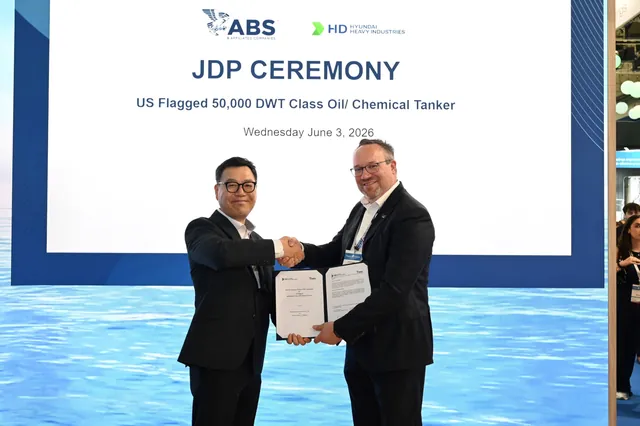
US Flag Tanker Development Takes Shape
The development of a U.S.-flagged 50,000 DWT oil and chemical tanker is a significant step forward in the country's shipbuilding revitalization efforts. With ABS and Hyundai Heavy Industries joining forces, the industry can now focus on creating safer, more efficient vessels that meet US Coast Guard requirements. ABS has been providing owners and operators with insight and guidance since its inception, focusing on safety above all else. This agreement reflects the company's commitment to supporting forward-looking solutions for the next generation of U.S.-flagged vessels. The partnership between ABS and Hyundai Heavy Industries is a testament to the industry's ability to adapt and innovate in response to changing regulations and market demands. By working together, they aim to strengthen their competitiveness in the U.S. market and deliver high-value vessel solutions for U.S.-flag operations. Hyundai Heavy Industries brings extensive experience and advanced technical capabilities in designing 50,000 DWT tankers. In anticipation of growing demand for U.S.-flagged vessels, the company is proactively addressing specific USCG technical requirements through this initiative. The collaboration between ABS and Hyundai Heavy Industries reflects the industry's focus on safety, compliance, and efficiency. By combining their expertise, they can create vessels that meet the highest standards while minimizing environmental impact. This joint development agreement marks an important milestone in the U.S.-flag tanker market, demonstrating the industry's commitment to supporting practical solutions for the next generation of U.S.-flagged vessels. The partnership between ABS and Hyundai Heavy Industries is a significant step forward in the country's shipbuilding revitalization efforts. With growing demand for U.S.-flagged vessels, this collaboration aims to strengthen the competitiveness of U.S. shipbuilders and deliver high-value vessel solutions. By working together, ABS and Hyundai Heavy Industries can create safer, more efficient vessels that meet US Coast Guard requirements while minimizing environmental impact. The development of a U.S.-flagged 50,000 DWT oil and chemical tanker is a critical component of the country's shipbuilding revitalization policies. This initiative demonstrates the industry's ability to adapt and innovate in response to changing regulations and market demands.
Loading more news