Australia has taken a major leap forward in its adoption of next-generation digital marine navigation, with the country's first live shipboard trial of S‑100 digital navigation data now underway. The trial is being led by the Australian Hydrographic Office (AHO) in collaboration with leading industry partners, including Carnival Cruise Lines, Tidetech, and OSI Maritime Systems. This initiative marks an important milestone in the implementation of S‑100 standards, which enable multiple interoperable data layers to be displayed together on a ship's bridge, supporting more informed navigational decision-making than traditional static charts.
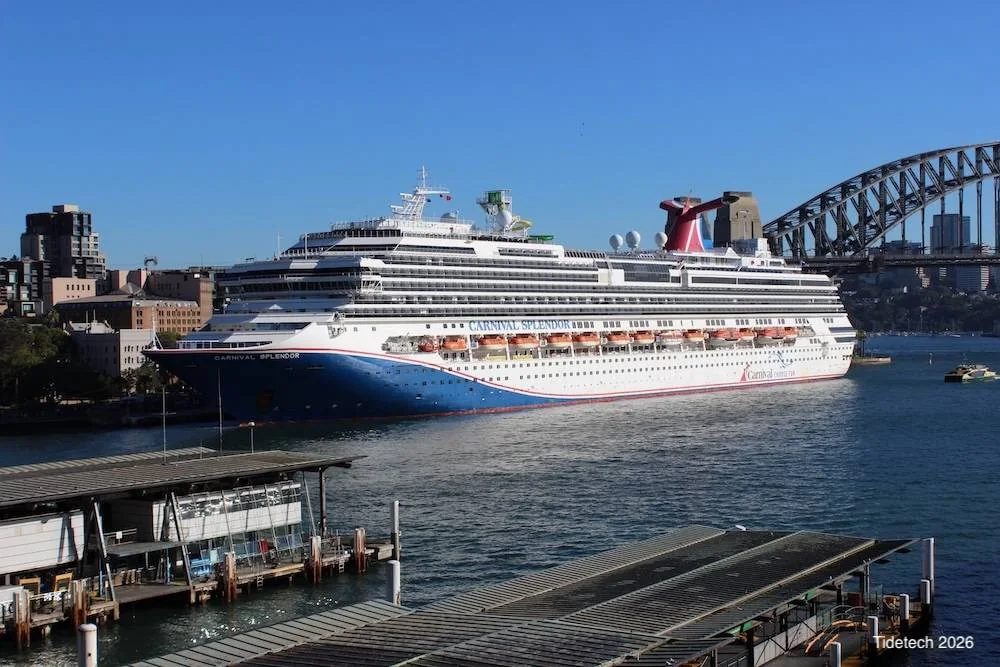
The trial is being conducted in Sydney Harbour, one of Australia's busiest and most constrained ports, where two Carnival cruise ships are participating. The data being tested includes high-resolution S‑104 water level and S‑111 surface current datasets for the harbour, delivered at 100m resolution in 20-minute time steps to show the harbor's complex tidal flows and rapidly changing conditions.
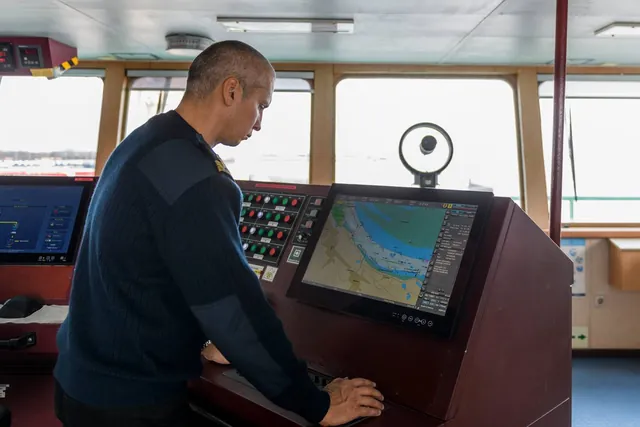
The trial offers a unique opportunity for industry players to observe how high-resolution tidal and current data is interpreted and used on the bridge, beyond laboratory or simulator environments. This will help data providers better understand what bridge teams notice, trust, and rely upon when navigating and maneuvering in real-world scenarios.
For Carnival Cruise Lines, participating in this trial represents a significant step towards improving navigational decision-making for their bridge crews. By leveraging dynamic digital navigation data, they can enhance situational awareness and reduce the risk of accidents or errors during complex maneuvers in confined waters.
The Australian Hydrographic Office's director of national charting, Alvaro Sanchez, notes that this trial allows them to gather real-world feedback from bridge crews operating day-to-day in a busy port. The trial will help refine the S‑100 standards and ensure they meet the needs of industry stakeholders.
S‑100 treats tides and currents as live navigational information rather than background context,
The trial marks a significant step towards real-world implementation of S‑100 standards.