
Daily news
News
Daily updates from transport, logistics, equipment, and mobility.
Latest articles
CleanTechnica·EV·Jun 12, 2026
US Solar Cell Factory Marks New Era in Domestic Manufacturing
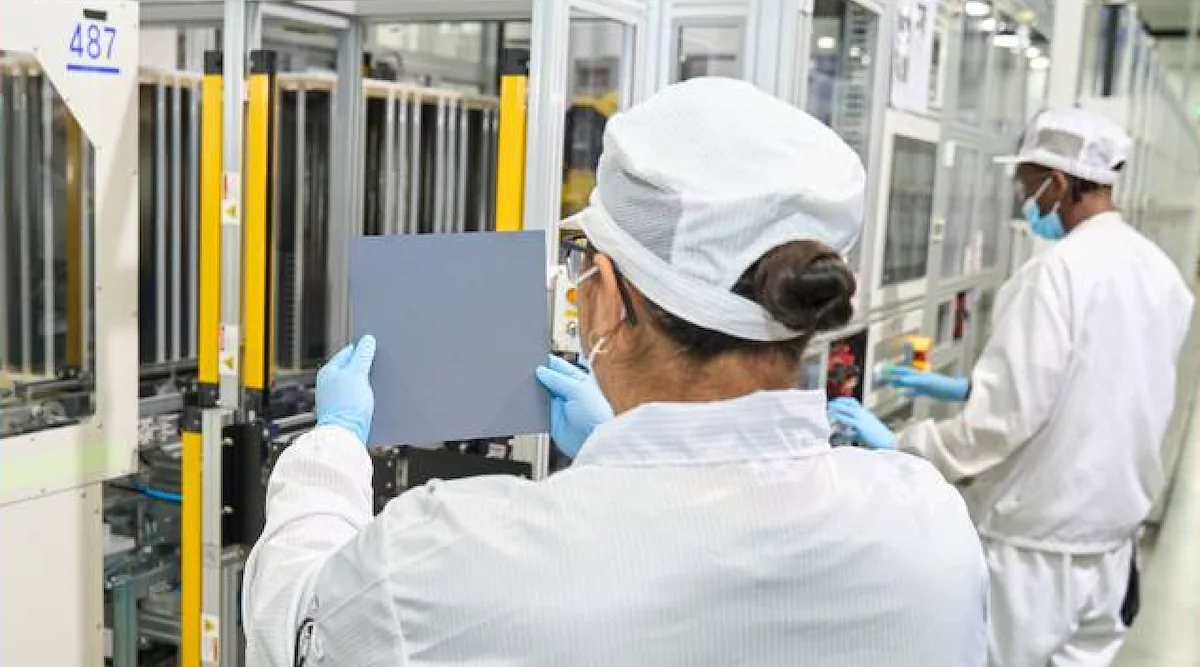
A new solar cell manufacturing operation has been established in Cartersville, Georgia, marking a significant development in the US solar industry. The facility, operated by Qcells, a Korea-headquartered company, is the first vertically integrated solar factory in America, producing solar modules with all-domestic content. The announcement comes as part of Qcells' larger plans to invest heavily in clean energy projects in the US. In 2023, the company committed to making the largest clean energy investment ever made in the country, with Georgia as its primary focus. The Cartersville facility is a key component of this strategy, enabling Qcells to claim tax credits and support domestic content. The growth of domestic solar manufacturing is a positive trend for the industry, but it also highlights the need for continued investment and support. As the US continues to transition towards renewable energy sources, it will be crucial to maintain a strong and competitive domestic manufacturing sector. Qcells' decision to establish a vertically integrated facility in Cartersville reflects the company's commitment to American ingenuity and innovation. By producing solar cells from scratch, Qcells is able to control every stage of the fabrication process, ensuring high-quality products that meet the needs of the US market. The new facility will produce 3.3 gigawatts per year, with full capacity expected in Q3. This represents a significant increase in production capacity for Qcells and its partner companies, enabling them to meet growing demand for solar energy solutions. Qcells' expansion into Cartersville is also part of a larger trend towards increased domestic manufacturing in the US solar industry. The company's recent expansion of its Dalton factory in Georgia further solidifies its commitment to American production, with cumulative capacity expected to reach 8.6 gigawatts per year. The Made-in-the-USA element of Qcells' Cartersville facility is a significant development for the industry, as it represents the ability of domestic industrial sectors to rebuild and compete on the global stage. This trend has been driven in part by taxpayer support and favorable tax laws that favor domestic content. As the US solar industry continues to evolve, it will be interesting to see how Qcells' Cartersville facility impacts the competitive landscape. With its focus on high-quality products and American ingenuity, Qcells is well-positioned to capitalize on growing demand for solar energy solutions. The growth of domestic solar manufacturing in the US is a positive trend that highlights the potential for innovation and competition in the renewable energy sector. As the industry continues to evolve, it will be crucial to maintain a strong and competitive domestic manufacturing sector.

CleanTechnica·EV·Jun 12, 2026
Hawaii's First Sustainability Expo Showcases Clean Energy Future
The first-ever Electric Home Show was held in April at the Blaisdell Expo Hall in Honolulu, HI. The event was a groundbreaking moment for sustainability in Hawaii, offering a platform for eco-friendly vendors to showcase their products and services. The expo hall was filled with an array of innovative solutions, from electric vehicle repair shops to ebike vendors, farm-to-table restaurants, and solar panel installations. The event featured 12 vehicles on display in the EV showcase, allowing attendees to experience the latest models and technologies firsthand. Additionally, there were 7 more vehicles available for test drives, providing an opportunity for visitors to get behind the wheel of electric or hybrid vehicles. The expo also showcased various tech demonstrations, including a Bluetti-powered bounce house and a portable battery-to-induction cooking demo. The attendance was impressive, with over 1200 people attending the event. This number is a testament to the growing interest in sustainable living and clean energy solutions. The event also featured 10 talks, including a keynote by legendary environmentalist Bill McKibben. His presence added weight to the discussions around climate change and sustainability. The expo hall was home to over 75 eco-friendly vendors, representing a wide range of industries and products. From ebike vendors to solar panel installers, these businesses were showcasing their commitment to sustainability and reducing carbon footprints. The diversity of vendors demonstrated the breadth of innovation in the clean energy sector. The event provided an opportunity for attendees to connect with like-minded individuals and learn from experts in the field. Thousands of connections were made during the expo, highlighting the importance of community engagement in promoting sustainable practices. This social aspect of the event underscored the need for collaboration and knowledge-sharing in the pursuit of a cleaner energy future. The Electric Home Show was more than just an exhibition – it was a call to action. By providing hands-on experiences with clean technologies, the event aimed to dispel myths about clean energy and promote a cleaner energy future. The success of this approach is evident in the strong turnout and engagement from attendees. The expo hall was designed to be an immersive experience, allowing visitors to explore various aspects of sustainable living. From electric vehicles to renewable energy systems, every aspect of the event was carefully curated to showcase the latest innovations in clean energy. This attention to detail demonstrated a commitment to providing a comprehensive and engaging experience for attendees. The Electric Home Show marked a significant milestone in Hawaii's transition towards a cleaner energy future. By bringing together industry leaders, innovators, and consumers under one roof, the event highlighted the importance of collaboration and knowledge-sharing in achieving this goal. The event's focus on hands-on experiences with clean technologies is particularly noteworthy. As the world continues to grapple with climate change and sustainability challenges, events like the Electric Home Show are crucial. By providing a platform for innovation and education, these events inspire individuals to take action and make a positive impact on the environment. The success of this event is a testament to the power of collective effort in driving positive change. The future of clean energy looks bright, thanks to events like the Electric Home Show. As more people become aware of the benefits of sustainable living and clean technologies, we can expect to see increased adoption and innovation in the sector. The Electric Home Show has set a high standard for future sustainability expos, and its impact will be felt for years to come.
InsideEVs (News)·EV·Jun 12, 2026
Volvo EX30 Review: A Year of Trials and Tribulations
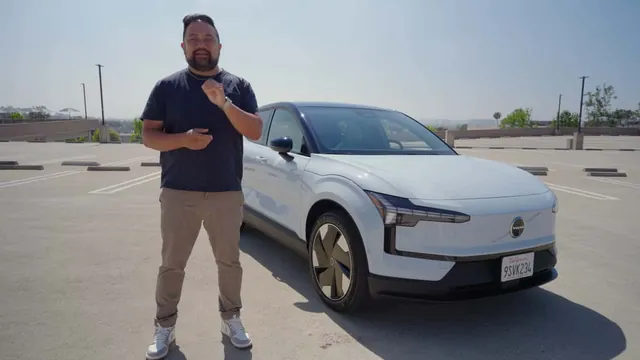
The Volvo EX30 has been a subject of interest for many in the automotive world, particularly with its electric powertrain and Scandinavian design. However, after spending a year with the vehicle, Edmunds' staff has come to a conclusion that it's not without its challenges. One of the primary concerns with the EX30 is its performance, which some have described as sluggish. With an estimated 0-60mph time of around 7 seconds, it may not be the most thrilling driving experience for enthusiasts. Despite its electric nature, the EX30 still relies on a traditional internal combustion engine to generate power. This can lead to some frustrating moments when trying to navigate hilly terrain or inclement weather conditions. Edmunds' staff has also noted that the vehicle's battery life is not as impressive as initially thought. After just 8,000 miles and a year of use, the team found that the range was significantly reduced compared to the manufacturer's estimates. The interior of the EX30 features a mix of premium materials and functional design elements. However, some may find the lack of customization options to be a drawback. The infotainment system is also marred by some noticeable lag times. While not perfect, the Volvo EX30 does offer some notable advantages over its competitors. Its impressive safety record and advanced technology features make it an attractive option for those prioritizing sustainability and convenience. However, with a starting price of around $50,000, the EX30 may be out of reach for many consumers. The vehicle's limited range and performance issues also raise concerns about its long-term viability as a practical choice. Ultimately, the Volvo EX30 is a car that will appeal to those who value Scandinavian design and a commitment to sustainability. However, it falls short in terms of performance and practicality. For those willing to overlook these limitations, the EX30 offers an exciting glimpse into the future of electric vehicles. Its advanced technology features and impressive safety record make it an attractive option for eco-conscious buyers.
CleanTechnica·EV·Jun 12, 2026
Waymo's Safety Edge
Waymo has published a groundbreaking article on its new reference model for human collision avoidance, titled 'Introducing Waymo’s New Reference Model for Human Collision Avoidance'. This joint research with TU Delft marks a significant leap in enhanced capabilities and increased realism for the established methodology. The ReD model is built upon the same predictive processing framework that powers the NIEON model, ensuring continuity in approach. The central idea underlying these models is that human driving behavior can be generally understood as the minimization of surprise. While NIEON focuses on modeling when a human might react to a threat, ReD expands upon these capabilities to model the full closed-loop cognitive process. ReD simulates how a careful and competent human driver updates their beliefs as a situation evolves, manages uncertainty about other road users’ intentions, and selects the evasive maneuver, whether that is braking, swerving, or a combination of both. For decades, the automotive industry has used physical and virtual crash dummies to evaluate a car’s safety features, including its hardware and structural integrity. ReD evolves this concept, serving as a behavioral benchmark for autonomous driving systems able to realistically represent reasonable expectations on how a careful and competent human driver responds to traffic conflicts. As a general model, ReD can be applied to various scenarios and environments, including those with significant uncertainty, for example, where the road conditions are poor or there is heavy traffic. Waymo's commitment to safety and innovation is evident in its latest research, which has been published in the journal Nature Communications. The company's mission of becoming the 'world's most trusted driver' is taking shape with this groundbreaking work. This advancement strengthens Waymo's position in the autonomous vehicle industry, emphasizing its commitment to safety and innovation. Waymo's safety research includes a dozen published papers on behavioral reference models, showcasing the company's dedication to improving collision avoidance capabilities. The ReD model represents the latest advancement in Waymo's safety research, which is built upon the same predictive processing framework that powers the NIEON model.
CleanTechnica·EV·Jun 12, 2026
California Solar Bill Moves Forward
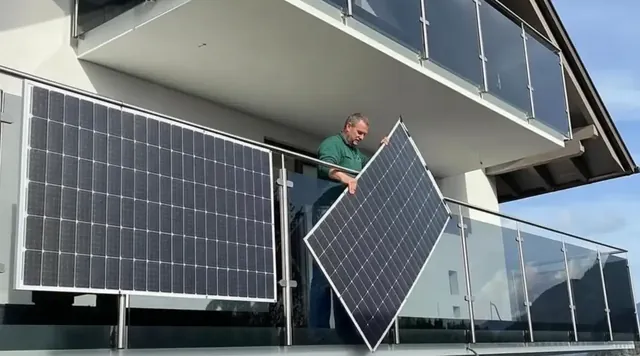
The concept of 'balcony solar' has gained popularity in recent years, with more locations allowing for easy installation and usage. This trend is expected to continue as California moves forward with its own legislation. The Golden State is home to one of the largest economies in the world, trailing only behind the United States, China, and Germany. With a long history of leading the way in solar power installations, California's impact on the industry has been significant. However, recent cuts to net metering policies have had a devastating effect on the sector. The California Supreme Court recently ruled against efforts to appeal the Public Utilities Commission's net metering cuts, leaving balcony solar as a potential solution to boost the industry. The bill, SB 868, was passed by the Assembly Committee on Utilities and Energy with a unanimous 18-0 vote. Senator Scott Wiener, who introduced the bill, believes it will help people lower their energy bills and increase clean energy production in the state. 'SB 868 clears away the needless red tape that currently makes it infeasible for people to use this technology,' he stated. While the bill has advanced, it still needs to pass through the Assembly Committee on Appropriations and be approved by the full Assembly. The estimated annual cost of the bill ranges from $200,000 to $500,000, which may impact its passage. The adoption of plug-in solar technology is gaining momentum across the United States, with several states already allowing for easy installation and usage. Colorado, Connecticut, Maine, Maryland, and Virginia are among those that have made it possible. New Hampshire, New York, and Vermont are also on the verge of making plug-in solar legal, which could lead to interesting comparisons between California and these states in terms of deployment numbers. The popularity of balcony solar can be attributed to its ease of use and lack of red tape. While it may not restore the ~17,000 jobs lost from net metering cuts, it will undoubtedly bring some boost to the solar industry and economy in California. California's unique combination of sunshine, high electricity prices, and a large population of renters make it an ideal location for plug-in solar installations. The state's solar power awareness is also high, which could contribute to its success. The adoption of plug-in solar technology in California will have significant implications for the state's energy landscape. As one of the largest economies in the world, California's influence on the industry cannot be overstated.
CleanTechnica·EV·Jun 12, 2026
Bangladesh Paves Way for Solar Power Growth
Bangladesh has taken a significant step towards promoting solar power growth with the introduction of a 0% tax rate for the sector until 2035. The country aims to increase its share of renewable energy in the electricity mix, with a target of 20% of total electricity demand by 2030. The new policies are expected to incentivize businesses and individuals to invest in solar power, leading to a surge in the sector and potentially transforming Bangladesh's energy landscape. Currently, solar power accounts for only 6% of Bangladesh's total power capacity, which is far below the global average. However, with this new initiative, the country hopes to accelerate its transition towards cleaner energy sources. The removal of various duties and taxes on solar power components will make it more competitive in the market, reducing costs and increasing adoption rates. Additionally, businesses that consume electricity generated from solar plants will receive incentives, including a tax rebate equivalent to 5% of their solar electricity bill against their total payable income tax. Bangladesh's renewable energy capacity currently stands at 1,797 MW, with most of it coming from solar power. The country aims to increase its share of renewables in the electricity mix to achieve its ambitious targets. The new policies are part of a broader strategy to promote sustainable development and reduce dependence on fossil fuels. However, critics argue that achieving 100% renewable energy by 2050 is an overly ambitious target, and more needs to be done to ensure a smooth transition. Ultimately, the success of this initiative will depend on the country's ability to implement and enforce these policies effectively, ensuring a lasting impact on Bangladesh's energy sector.
CleanTechnica·EV·Jun 11, 2026
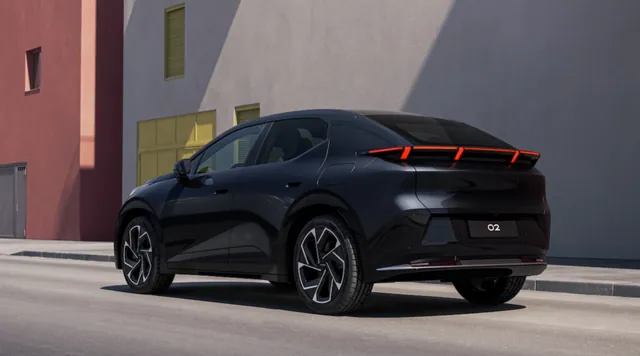
Lynk & Co 02 MY27 Update Brings Enhanced Comfort and Connectivity
The automotive industry is witnessing a significant shift towards enhanced comfort, usability, and connectivity in vehicles. The latest update from Lynk & Co for the 02 model year 2027 (MY27) is a prime example of this trend. By focusing on improving comfort, usability, and in-car experience, Lynk & Co aims to provide drivers with an even more refined driving experience. The MY27 update introduces several targeted enhancements based on customer feedback and everyday usage. A new 'Onyx Black' exterior colour option adds a sleek and sophisticated look to the line-up, while elevated microfiber finishes on the dashboard and door panels enhance overall comfort and perceived quality. Furthermore, a redesigned centre console improves storage space and usability in daily driving, making it easier for drivers to navigate their daily routines. Distinctive yellow seat belts reinforce the car's bold character, adding a touch of personality to the interior design. The update also brings several digital enhancements, including faster system boot-up and personalized driver settings. These features enable drivers to configure key preferences from the moment they get behind the wheel, resulting in a more tailored experience. Additionally, the MY27 introduces new interactive features that bring personality to the driving experience. The 'Hey Honk' function allows drivers to interact with the car and the world around them through the car's external speakers, while Game Link enables casting of games to the central display when parked. The Lynk & Co 02 MY27 update demonstrates the brand's commitment to refining its product offering and meeting customer demands. By focusing on comfort, usability, and connectivity, Lynk & Co is positioning itself as a leader in the electric vehicle market. Moreover, the update highlights the importance of user experience in the automotive industry. With features like faster system boot-up and personalized driver settings, Lynk & Co is prioritizing the needs of its customers, resulting in a more enjoyable driving experience. The MY27 update also underscores the significance of connected car technology. The introduction of new interactive features like 'Hey Honk' and Game Link demonstrates Lynk & Co's commitment to providing drivers with a seamless and engaging experience. Overall, the Lynk & Co 02 MY27 update is a significant step forward for the brand. By focusing on comfort, usability, and connectivity, Lynk & Co is poised to continue its growth in the electric vehicle market.

CleanTechnica·EV·Jun 11, 2026
Musk's Universal High Income Plan Raises Eyebrows
Musk recently proposed a radical idea: universal high-income checks issued by the federal government to address unemployment caused by artificial intelligence (AI). This proposal seems to be at odds with his previous statements on AI and robotics, which suggested they could end inflation. However, the more concerning aspect of Musk's plan is its potential impact on existing social programs and government expenditures. The USAID organization has faced criticism for its inability to provide minimal support to those in dire need due to alleged corruption. Musk's proposal to distribute high-income checks to everyone instead seems to overlook the complexities of poverty and inequality. Furthermore, his attacks on Social Security as a 'biggest Ponzi scheme' raise questions about the feasibility of replacing existing social safety nets with a universal basic income. Musk's plan also appears to contradict his previous statements on reducing government expenditures and cutting the deficit. The US deficit has increased by approximately $2.5 trillion since 2025, despite Musk's warnings that excessive spending would lead to financial ruin. This inconsistency raises concerns about the sincerity of his proposal and its potential impact on the economy. Another issue with Musk's plan is its lack of practicality. He suggested that everyone can have a penthouse apartment, which is unrealistic given the scarcity of luxury housing options. This raises questions about how the government would provide such accommodations for all citizens, while also addressing the needs of those who cannot afford them. Musk's proposal has sparked widespread criticism and confusion, with many questioning his detachment from reality and poor logic. His statements seem to be driven by a desire to address unemployment caused by AI, rather than a nuanced understanding of the complex issues involved. The idea of universal high-income checks is not new, but Musk's proposal seems to be particularly concerning due to its scope and potential impact on existing social programs. It remains to be seen whether his plan would be effective in addressing unemployment and poverty, or if it would exacerbate existing problems. Musk's comments have also raised questions about his understanding of economics and policy. His proposal seems to ignore the complexities of supply and demand, as well as the need for targeted support programs to address specific social issues. Despite the controversy surrounding Musk's plan, it is clear that he has sparked a necessary conversation about the role of government in addressing unemployment and poverty. However, it is essential to approach this discussion with a critical eye and consider the potential consequences of such a proposal. Musk's universal high-income plan highlights the need for careful consideration and nuanced policy-making when addressing complex social issues. It is crucial to prioritize evidence-based solutions that take into account the complexities of poverty, inequality, and economic policy.

InsideEVs (News)·EV·Jun 11, 2026
Dodge Charger EV Prototype Unveils Groundbreaking Battery Tech
Dodge, a subsidiary of Stellantis, is pushing the boundaries of electric vehicle (EV) technology with an experimental prototype of its Charger EV model. The test mule, which has been put through real-world testing, features a novel semi-solid-state battery design that promises to revolutionize the industry. By leveraging this innovative approach, Dodge aims to improve the range and efficiency of its EVs, making them more competitive in the rapidly evolving market for electric vehicles. The semi-solid-state battery technology is an exciting development that has garnered significant attention in recent years due to its potential to significantly enhance the performance and longevity of EV batteries. By combining the benefits of solid-state and liquid electrolyte batteries, this design offers improved safety, energy density, and charging speeds. As a result, it's likely to have a profound impact on the industry, enabling manufacturers to create more efficient and sustainable electric vehicles. The Charger EV prototype is an important proof-of-concept for Dodge's commitment to innovation in the EV space. By testing its semi-solid-state battery technology in real-world conditions, the company can gather valuable insights into its performance and identify areas for improvement. This approach allows Dodge to refine its design and develop more efficient batteries that meet the demanding requirements of modern electric vehicles. The adoption of semi-solid-state batteries is expected to play a crucial role in the transition to sustainable transportation. As governments worldwide implement stricter emissions regulations, manufacturers are under pressure to develop cleaner and more efficient vehicles. The introduction of this technology marks an important milestone in the industry's journey towards a low-carbon future. Dodge's focus on electric vehicle technology is part of a broader trend in the automotive sector. Other manufacturers, such as Toyota and Volkswagen, are also investing heavily in EV research and development. As the demand for sustainable transportation continues to grow, it's likely that we'll see more innovative solutions like semi-solid-state batteries emerge from the industry. The benefits of semi-solid-state batteries extend beyond improved performance and efficiency. They also offer enhanced safety features, reduced waste generation during production, and lower environmental impact. By embracing this technology, manufacturers can create vehicles that not only meet but exceed regulatory standards for sustainability. As the automotive sector continues to evolve, we can expect to see more manufacturers exploring innovative battery technologies like semi-solid-state batteries. This development is a testament to the industry's commitment to innovation and sustainability, and it will be exciting to see how other companies choose to adapt and integrate this technology into their own EV offerings. The introduction of semi-solid-state batteries has significant implications for the automotive supply chain. Manufacturers will need to invest in new production facilities and equipment capable of handling these advanced battery technologies. This could lead to increased competition for suppliers, driving down costs and improving efficiency across the industry. As we move forward, it's essential to monitor the progress of this technology and its potential applications in the automotive sector. The benefits of semi-solid-state batteries are clear, but there are still challenges to be addressed before they can become mainstream. By continuing to invest in research and development, manufacturers can unlock the full potential of this innovative technology. The future of electric vehicles is bright, with semi-solid-state batteries poised to play a critical role in their development. As we look ahead to the next generation of EVs, it's exciting to consider the possibilities that these advanced battery technologies will bring.
InsideEVs (News)·EV·Jun 11, 2026
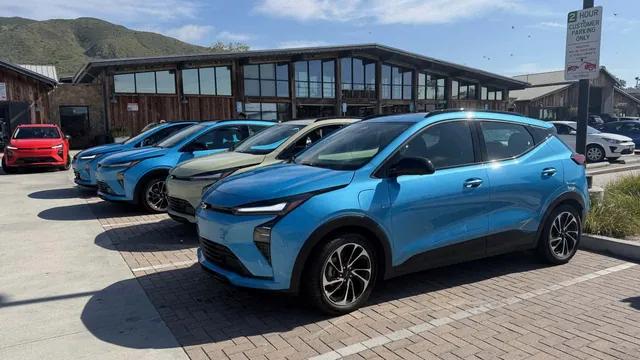
GM Ditches LFP Batteries for New Tech
The automotive industry is witnessing a significant shift in the way electric vehicles (EVs) are powered, with General Motors (GM) being at the forefront of this change. The company has announced its intention to transition away from Lithium-Iron-Phosphate (LFP) batteries, which have been the go-to cheap EV battery technology for several years. LFP batteries have been widely adopted due to their relatively low cost and environmental friendliness. However, GM claims that a new battery chemistry could offer similar cost benefits with fewer drawbacks. The new battery tech is expected to provide significant improvements in terms of energy density and charging speed. This means that EVs powered by this technology will be able to travel longer distances on a single charge, reducing range anxiety and making them more appealing to consumers. Additionally, the reduced environmental impact of this new chemistry could make EVs more competitive with internal combustion engine vehicles in terms of sustainability. The decision by GM to switch from LFP batteries is likely driven by its desire to improve the overall efficiency and performance of its electric vehicles. By adopting a new battery technology, the company hopes to reduce production costs and increase profitability. This move could also have a significant impact on the broader EV industry, as other manufacturers may follow suit in pursuit of similar cost savings. However, it's worth noting that the transition away from LFP batteries is not without its challenges. The new technology will require significant investments in research and development, as well as updates to GM's manufacturing processes. This could lead to delays and increased costs in the short term, although the long-term benefits are likely to outweigh these drawbacks. The shift towards more advanced battery technologies is a key trend in the EV industry, driven by growing demand for sustainable transportation solutions. As consumers become increasingly environmentally conscious, manufacturers will need to respond with innovative solutions that minimize their carbon footprint. This could lead to significant advancements in areas such as energy storage and charging infrastructure. The potential impact of GM's decision on the broader EV market is significant. If other manufacturers follow suit, it could drive down costs and increase adoption rates for electric vehicles. However, it also raises questions about the long-term viability of LFP batteries and whether they will remain a viable option in the future. While GM's decision to switch from LFP batteries is likely driven by cost savings, it also highlights the ongoing innovation in the EV industry. As manufacturers continue to push the boundaries of battery technology, we can expect to see further advancements in areas such as energy density and charging speed. The adoption of new battery technologies will require significant investment and collaboration between manufacturers, suppliers, and regulatory bodies. However, the potential rewards are substantial, with widespread adoption of EVs driving down greenhouse gas emissions and improving air quality in urban areas. As the automotive industry continues to evolve, it's clear that battery technology will play an increasingly important role. The shift towards more advanced chemistries like the one GM is adopting will drive innovation and improvement in areas such as energy storage and charging infrastructure.
Loading more news