
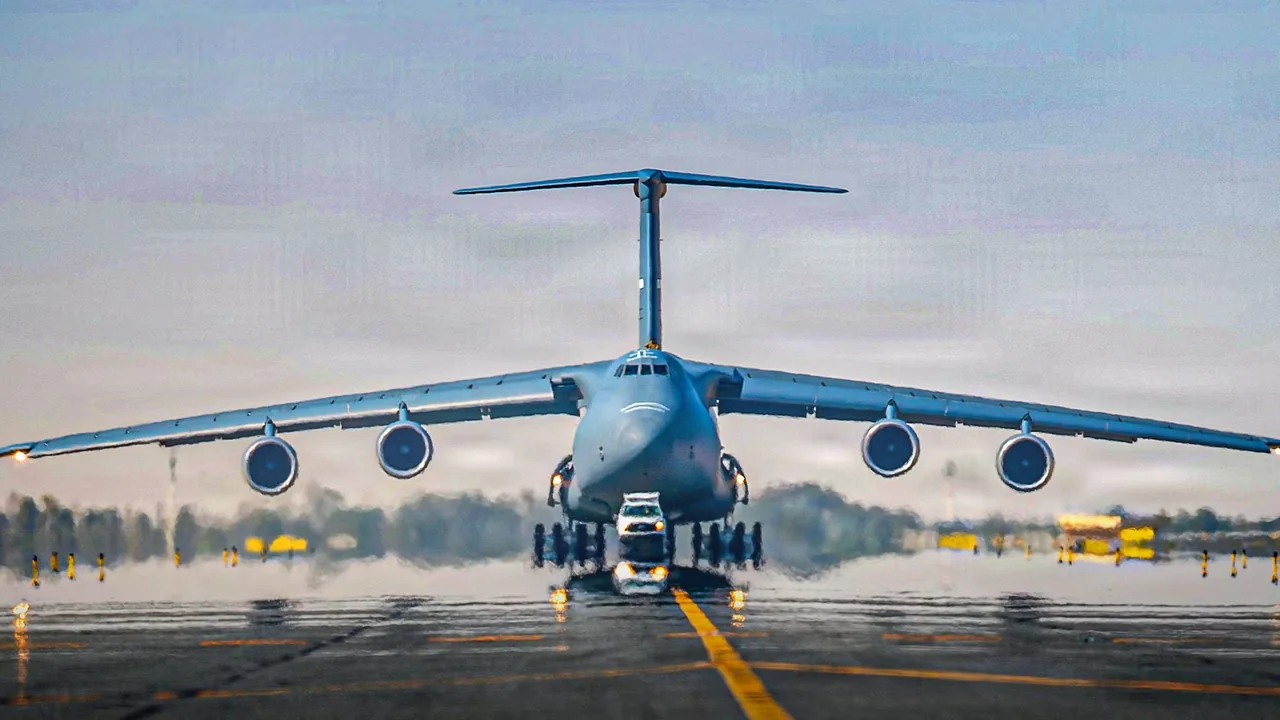
The Lockheed C-5 Galaxy is one of the largest aircraft ever built, with a 222-foot wingspan and first flight in 1968. Despite upgrades, it still lacks winglets, a feature common on modern aircraft.
This absence stands out at a time when wingtip devices are widely used to improve fuel efficiency and aerodynamic performance in both military and commercial aviation.
The C-5's original design era shaped its wing, with trade-offs in structural and aerodynamic performance that have remained unchanged despite upgrades.

Military operating priorities differ from those of commercial airlines, where weight reduction and efficiency are key considerations.
The Galaxy was already a mature operational platform by the time winglets appeared on aircraft like the early Boeing 747SP.
Engineers assessed incorporating winglets into new wing design for C-5B models in the late 1980s but deemed the benefits insufficient due to structural penalties.

The scale of the C-5 also played a role, with its large wingspan making it less suitable for traditional winglet design.
In contrast, commercial aircraft face strict ICAO gate constraints that limit designers' ability to extend wingspans, leading them to redirect efficiency upward with winglets instead.
The absence of winglets on the C-5 Galaxy highlights the complexities of military aviation, where priorities often diverge from those of commercial airlines.