

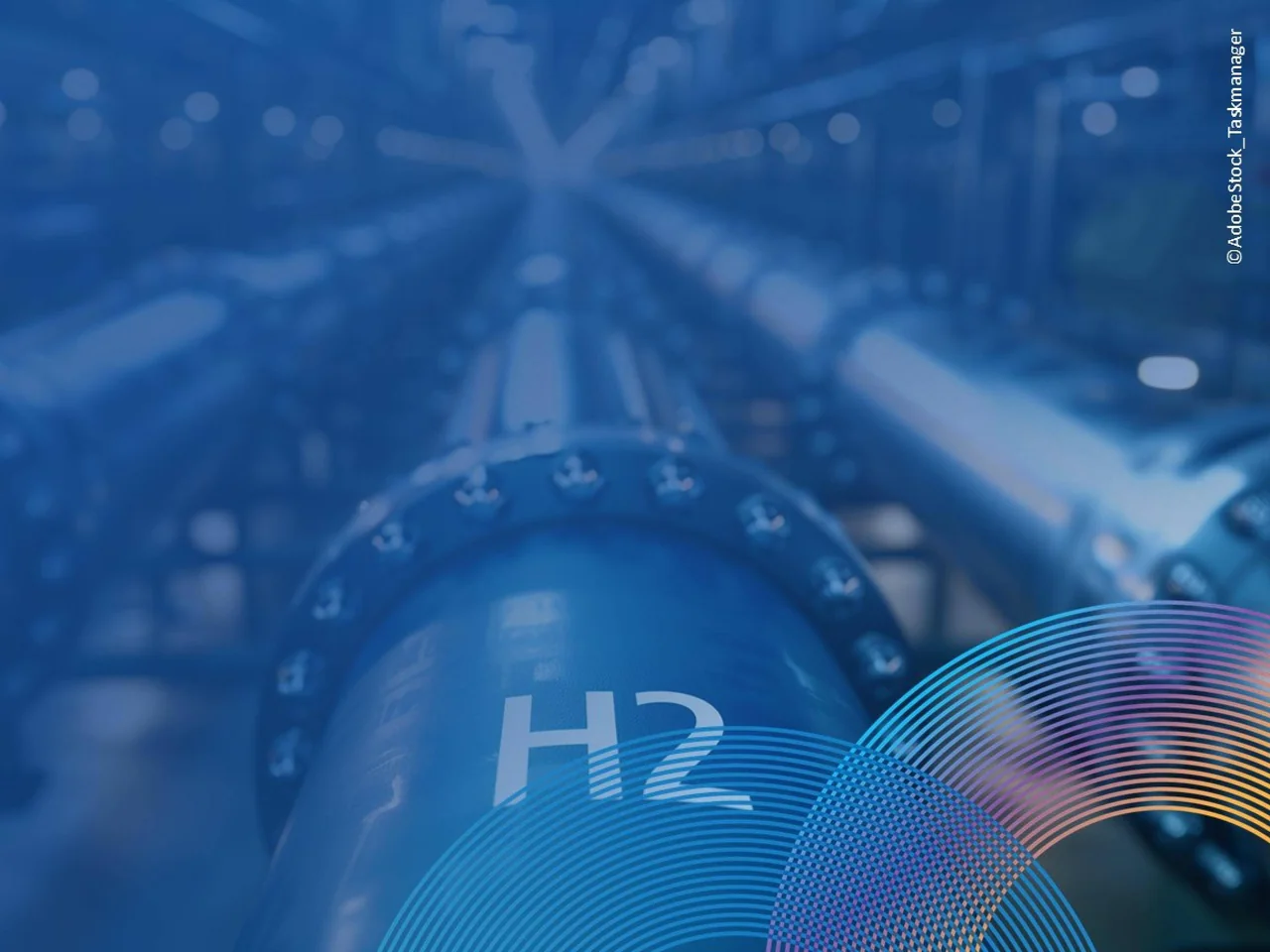
The European Commission has successfully closed the first round of activities of the Hydrogen Mechanism operated under the EU Energy and Raw Materials Platform. This initiative aims to facilitate the development of the hydrogen market by providing a transparent and easy way for suppliers to test demand for their specific projects. The mechanism has already shown great appetite from market participants, with high engagement levels reported.
During this first round, the Hydrogen Mechanism gave future producers of hydrogen a clear platform to present their supply opportunities to European offtakers. Suppliers responded in force, registering 265 different projects that cover renewable and low-carbon hydrogen and derivatives. This demonstrates the growing interest in sustainable energy solutions.
These registered projects were then presented to European offtakers, offering them market intelligence to support their procurement processes and assess whether and how to enter the nascent hydrogen market. The response from the offtakers was significant, with 45 offtake projects registered and expressions of interest submitted for 87% of the supply opportunities.
The matching phase is now complete, and it is up to the participants themselves to take the next step and engage directly with one another outside of the Hydrogen Mechanism. This will be crucial in exploring future collaborations and driving the development of the hydrogen market forward.
Building on these encouraging results, the Commission is now reflecting on the next steps for the Hydrogen Mechanism, including how to support infrastructure development. This could involve providing funding or other forms of support to help build out the necessary infrastructure to facilitate the growth of the hydrogen market.
The success of the first round of activities has been driven in part by the high level of engagement from suppliers and offtakers alike. With 87% of suppliers receiving an interest from at least one potential offtaker, it is clear that there is a strong demand for sustainable energy solutions.
Furthermore, the data suggests that the hydrogen market is not just about supply and demand but also about the specific applications and technologies involved. For example, 54% of the opportunities provided a price indication, indicating that there is a growing interest in pricing and cost-effectiveness.
On the supply-side, participants from 33 countries have come together to offer their supplies to 20 EU countries. This demonstrates the global nature of the hydrogen market and the potential for international collaboration and cooperation.
The demand-side also shows a strong focus on specific regions and countries. Offtakers requested deliveries in 10 EU countries, highlighting the need for targeted support and infrastructure development to facilitate the growth of the hydrogen market.
The European Commission's efforts to develop the hydrogen market are gaining traction, with high engagement from market participants.