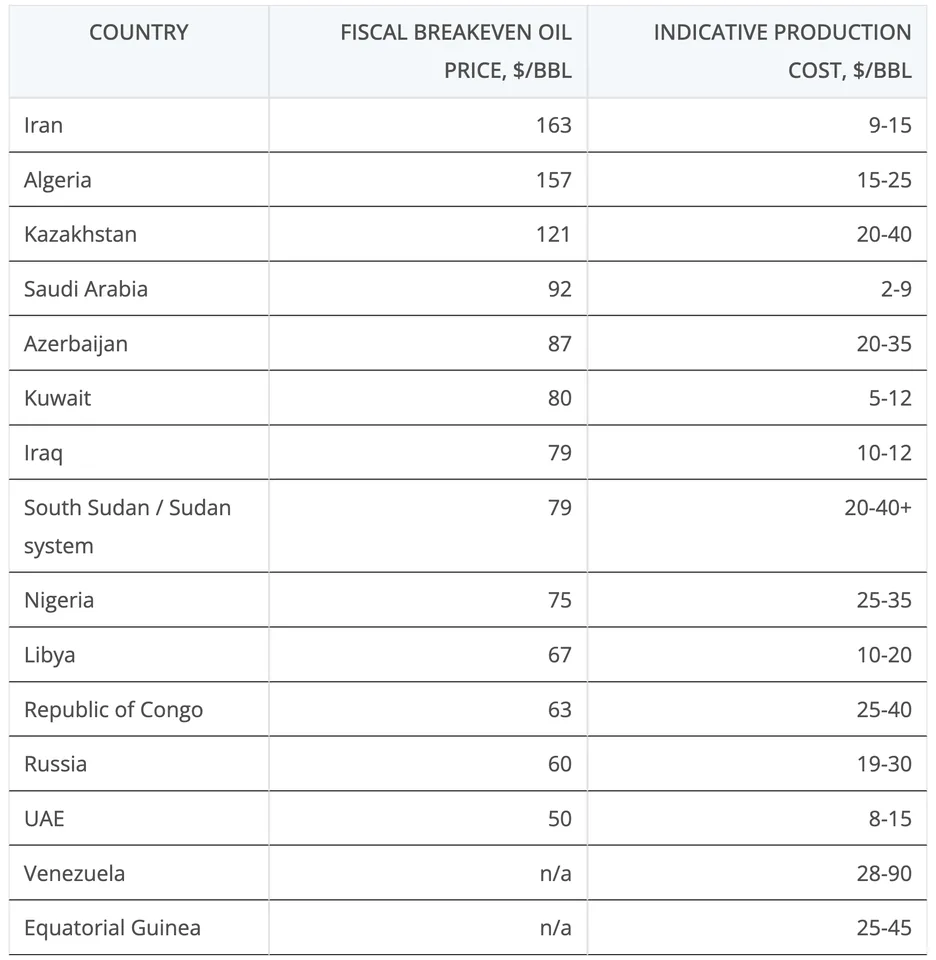
The UAE's decision to leave OPEC+ marks an early signal of a producer with low-cost barrels and spare capacity ambitions prioritizing flexibility over cartel discipline.
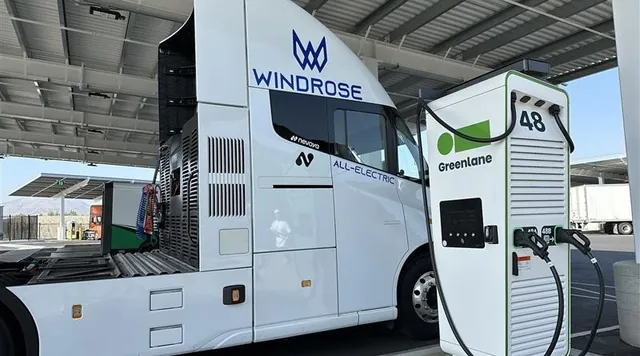
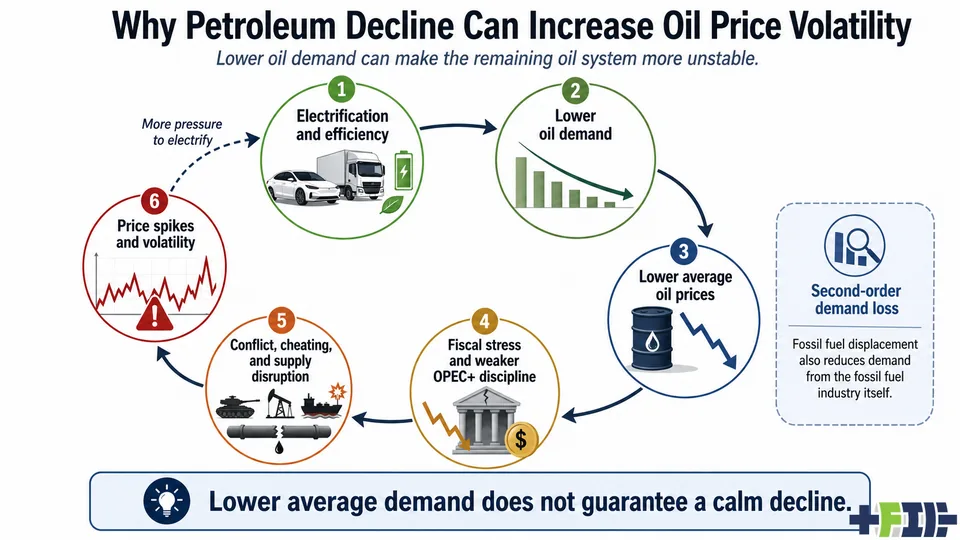
Oil demand is beginning to bend under the weight of EVs, electric trucks, efficiency, remote work, substitution, and changing logistics.
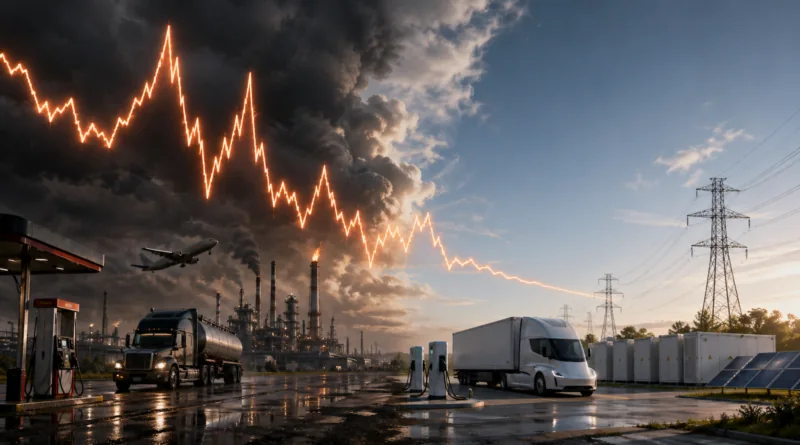
This should suggest a calmer oil market, but the opposite is more likely as the petroleum system declines.
The institutions, companies, states, supply chains, and fiscal bargains built around oil were built for growth, not decline.
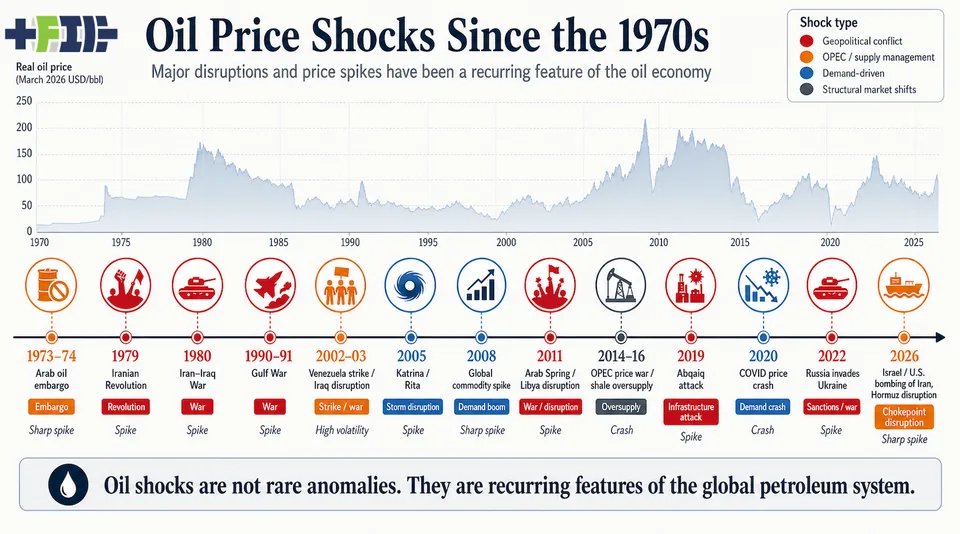
Oil shocks have been recurring features of the petroleum economy since the early 1970s.
The common feature among these shocks is that the petroleum system has produced instability repeatedly.
The 1973 to 1974 Arab oil embargo remains the defining image of modern oil vulnerability.
This event helped push oil prices from $2.90/bbl to $11.65/bbl, demonstrating its impact on foreign policy and economic signals.
The world has continued to experience volatility in the oil market due to various factors including producer policies, internal stability, regional security, and product-market stress.
As the world transitions to cleaner energy sources, the traditional institutions built around oil are becoming less relevant.