

A new era of supersonic flight has begun, as the US government has lifted its ban on overland supersonic travel. This change has been facilitated by a presidential executive order that repeals the FAA's 1973 prohibition and establishes an interim noise-based certification standard.
The practical implications of this regulatory shift are substantial. The previous ban had effectively constrained the economics of supersonic flight, as aircraft would have to slow over populated areas to avoid sonic booms. Repealing the ban and introducing a noise-based standard is a more logical approach, tying restrictions to measurable acoustic impact rather than speed thresholds.
The executive order also signals a commitment to sustained investment in supersonic technology. The FAA will coordinate across federal agencies to advance supersonic programs, indicating that this policy shift is intended to support long-term development rather than just symbolic gestures.

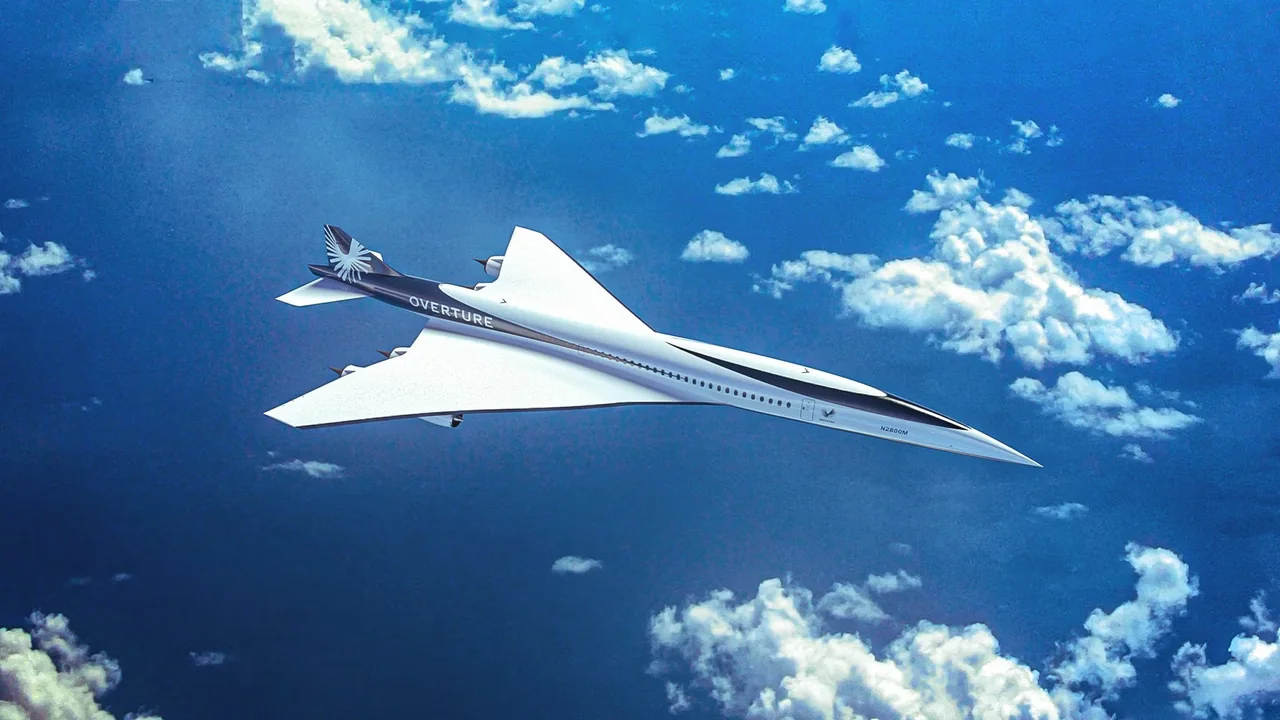
Several companies are now advancing commercial supersonic programs with real orders and target dates. A privately developed demonstrator has broken the sound barrier for the first time since Concorde's last flight in 2003.
The FAA's decision is also being closely watched by NASA, which is actively testing an aircraft designed to solve the sonic boom problem that grounded overland routes in the past.
Despite this progress, technical challenges remain. Supersonic flight over land produces a range of acoustic issues that must be addressed before commercial flights can become a reality.

The development of supersonic technology has been hindered by regulatory barriers and a lack of serious investment for many years. However, the landscape now looks more promising than it has at any point since Concorde's last commercial flight in 2003.
Several well-funded companies are working on commercial supersonic programs, with some aiming to enter service within the next decade. These developments have significant implications for transatlantic travel and could potentially disrupt traditional aviation industries.
The future of supersonic flight is uncertain, but one thing is clear: the regulatory overhaul has opened a door to new possibilities. As the industry continues to evolve, it will be interesting to see how these changes shape the future of air travel.

Supersonic technology has been on the backburner for many years, but recent developments suggest that this may soon change. With several companies working on commercial supersonic programs and a regulatory overhaul in place, the stage is set for a new era in supersonic flight.
The shift in regulatory landscape is a significant step forward for supersonic technology, but technical challenges remain.