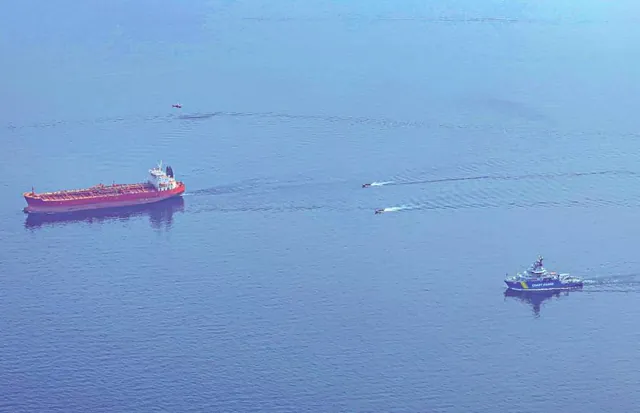
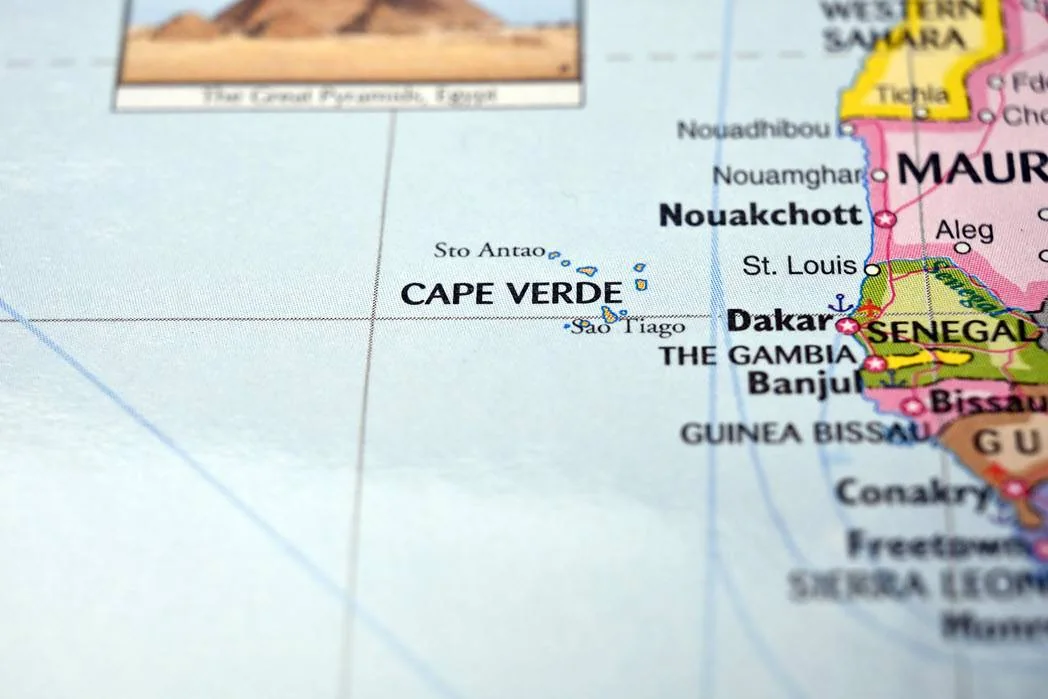
A devastating incident has struck a cruise vessel in the Atlantic Ocean, leaving three passengers dead and one case of hantavirus confirmed among its passengers. The World Health Organization has been facilitating coordination between member states and the ship's operators to ensure medical evacuation and full public health risk assessment. The WHO did not disclose the name of the vessel or its operator, but a source close to the situation revealed it was the MV Hondius, traveling from Argentina to Cape Verde.
The hantivirus outbreak has raised concerns about the safety of passengers on cruise ships, particularly those with compromised immune systems. With six individuals affected in total, including three who have succumbed to the disease, the incident underscores the importance of taking precautions against rodents and their potential transmission of hantavirus. The Dutch Foreign Ministry confirmed that two of its citizens had died in the outbreak.
The British government has been closely monitoring reports of a potential hantivirus outbreak on the Hondius and is in touch with the cruise company and local authorities. This demonstrates the international cooperation required to address such incidents effectively. However, more needs to be done to prevent similar outbreaks in the future.
According to the US Centers for Disease Control and Prevention, people can get hantavirus from contact with rodents like rats and mice, especially when exposed to their urine, droppings, and saliva. This highlights the need for enhanced safety measures on cruise ships to minimize the risk of transmission. The CDC also notes that while bites or scratches by rodents are rare, they can still transmit hantavirus.
The incident serves as a stark reminder of the risks associated with traveling by sea, particularly in areas where rodent-borne diseases are prevalent. As the global cruise industry continues to grow, it is essential that operators prioritize passenger safety and take proactive measures to prevent such incidents. The WHO's efforts to facilitate medical evacuation and risk assessment will be crucial in mitigating the impact of this outbreak.
In light of this incident, it is essential for passengers to be aware of the risks associated with hantivirus and take necessary precautions when traveling on cruise ships. This includes being mindful of their surroundings, avoiding contact with rodents, and reporting any symptoms promptly to medical staff. By taking these steps, passengers can minimize their risk of contracting hantavirus.
The incident also raises questions about the preparedness of cruise ship operators for such incidents. While the WHO is facilitating coordination between member states and the ship's operators, more needs to be done to ensure that cruise ships are equipped with the necessary resources and protocols to respond to hantivirus outbreaks effectively. This includes providing adequate training for staff, ensuring proper sanitation and hygiene practices, and having contingency plans in place.
Ultimately, the hantivirus outbreak on the MV Hondius serves as a wake-up call for the global cruise industry to reevaluate its safety protocols and take proactive measures to prevent similar incidents in the future. By prioritizing passenger safety and taking a proactive approach to disease prevention, cruise operators can minimize the risk of transmission and ensure a safer experience for all passengers.
The hantivirus outbreak highlights the need for enhanced safety measures on cruise ships.