
The European Union's Industrial Accelerator Act (IAA) proposal is a crucial step towards boosting Made-in-EU EVs and batteries. The act aims to create a solid business case for European battery production by embedding Union preference and Foreign Direct Investment conditions into law. This shift in EU industrial policy is expected to have a significant impact on the region's economic resilience, job security, and climate objectives.
The IAA proposal supports strong Made-in-EU policies to build Europe's economic resilience, safeguard jobs, and advance its climate and security objectives. The EU should ensure a significant and increasing share of the electric vehicle technology stack – batteries and their key components, electronics, e-motors, chips, and software – is produced in Europe. This will enable non-European firms to onshore supply chains and enter genuine value-creating partnerships.
The IAA represents a shift in EU industrial policy, embedding Union preference and Foreign Direct Investment conditions into law, while setting a framework for low-carbon industrial scaling. The proposal welcomes the IAA but urges decision-makers to close loopholes to effectively scale a European battery value chain. Several loopholes risk making the IAA an optional framework.
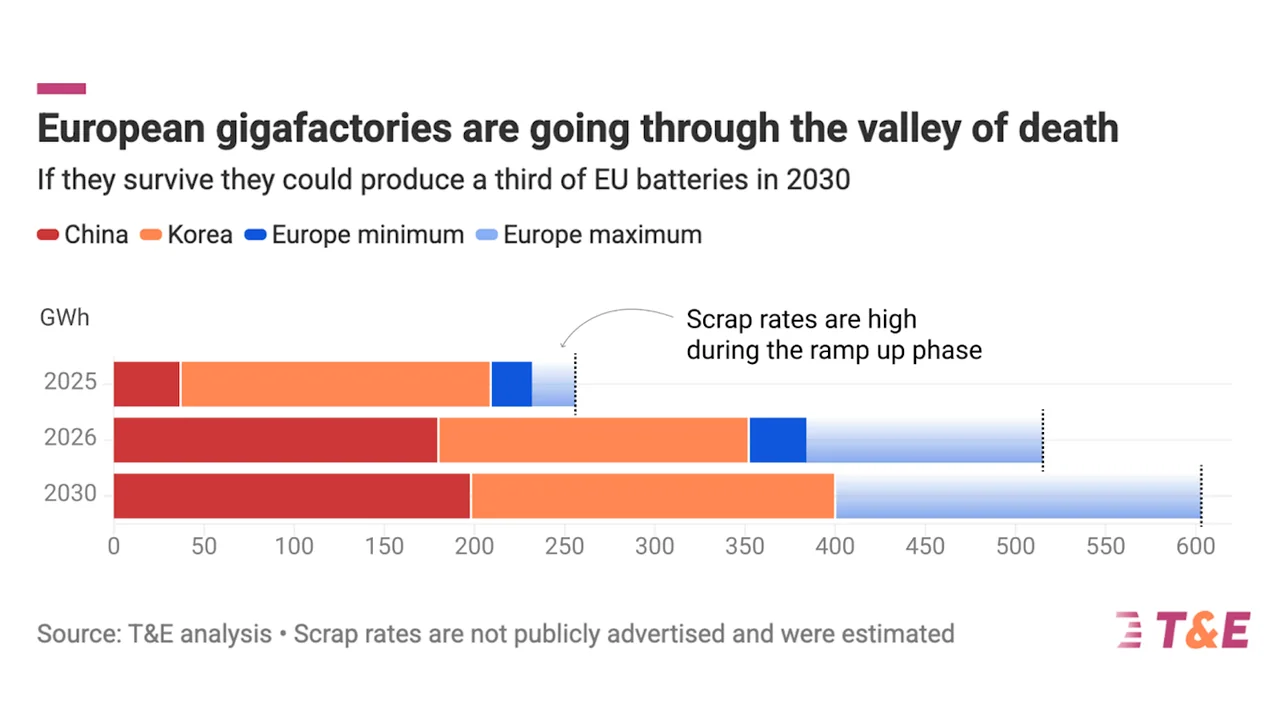
The EU's goal is to secure at least 50% of EV batteries by 2030, with a focus on strategic components such as key battery and EV components (the electric tech stack). The IAA should prioritize these components instead of covering non-strategic parts. This will ensure a robust battery component manufacturing and competitive recycling industry.
The proposal also emphasizes the importance of precursor cathode active material (pCAM), anode active material (AAM), critical raw materials, and recycled content in the battery value chain. Incentives for these components should be added as a third step from 2032 to boost the battery value chain.
Foreign direct investments (FDI) provisions must cover all key investments in the automotive and battery value chain. The IAA should preserve FDI provisions and ensure foreign investors use local supply chains. Crucially, FDI conditions must apply to cumulative investments from the past 36 months to cover major investments announced but not yet built.
The low carbon steel and aluminium requirements should be extended to all vehicle types, not just EVs. The IAA should mandate both low carbon steel and aluminium to be Made-in-Europe, creating lead markets for these materials.
Closing loopholes is crucial to effectively scale a European battery value chain. The IAA proposal represents a solid start, but more work is needed to ensure the success of this initiative. The EU must address these loopholes to create a robust and sustainable industry.
The IAA proposal has significant implications for Europe's industrial policy, economic resilience, job security, and climate objectives. The act prioritizes low-carbon industrial scaling, embedding Union preference and FDI conditions into law. This shift will have far-reaching consequences for the region's future growth and development.
The IAA represents a significant shift in EU industrial policy, prioritizing low-carbon industrial scaling.