

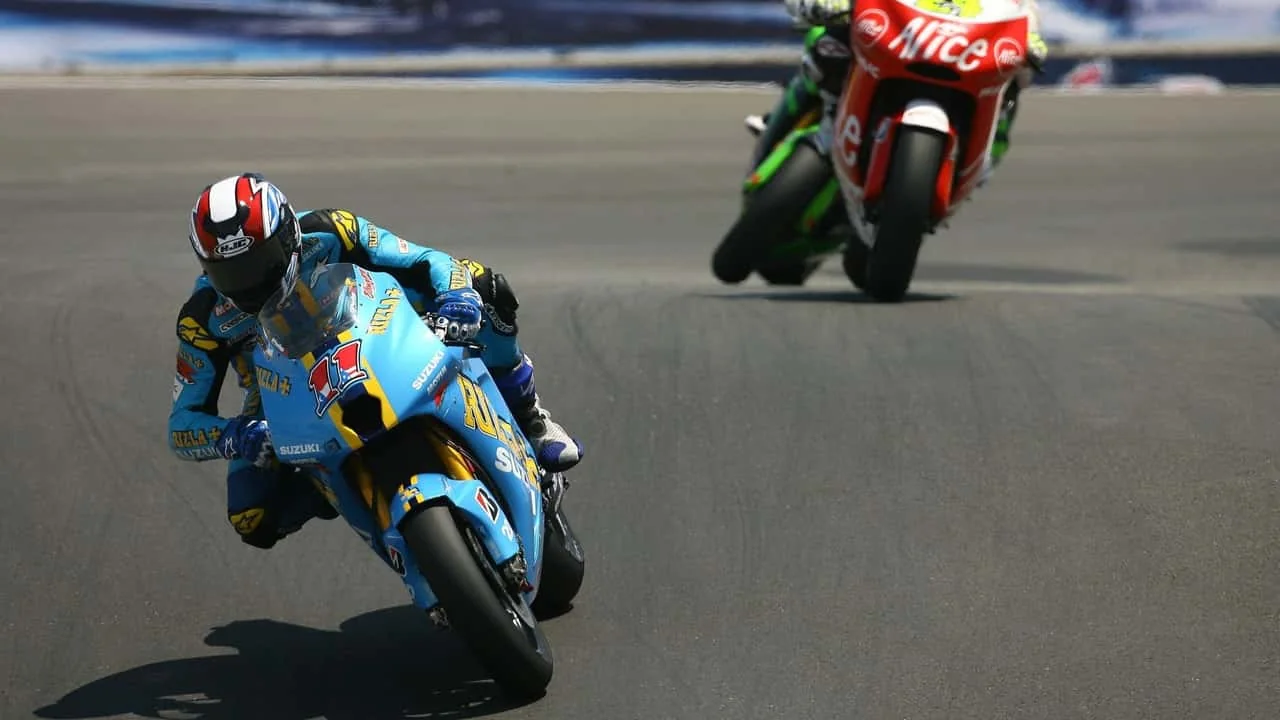
The MotoGP championship is set to introduce significant changes for the upcoming season, as the sport will no longer allow wildcard entries. This decision comes after a period of experimentation with the current system, which has seen cameo appearances from past racers and unofficial testing sessions during mid-season breaks. The move aims to increase competition and consistency throughout the season. However, this change may also have an impact on the sport's overall competitiveness and fan engagement.
Wildcard entries have been a topic of discussion among MotoGP fans and competitors alike, with some praising the opportunity for new riders to gain experience in the top-tier championship. Others have expressed concerns about the lack of consistency and fairness that can arise from this system. The ban on wildcards is likely to be met with mixed reactions from these stakeholders.
The decision to restrict wildcard entries marks a significant shift in the sport's approach to competition. In recent years, MotoGP has experimented with various formats and rules changes, often in response to feedback from teams, riders, and fans. The introduction of new technologies, such as advanced aerodynamics and engine management systems, has also driven innovation in the sport.
The upcoming season is expected to be highly competitive, with a number of top-tier teams and riders vying for podiums and championship points. However, the ban on wildcards may limit opportunities for newer riders to break into the sport. This could have implications for the future of MotoGP, as the sport seeks to balance competitiveness with accessibility.
The MotoGP calendar is set to remain unchanged, with 20 rounds scheduled across three continents. The championship will continue to feature a mix of established teams and newcomers, providing opportunities for riders to gain experience and develop their skills. The introduction of new technologies and rule changes will also drive innovation and competition throughout the season.
The ban on wildcards is likely to be met with skepticism by some fans and competitors, who may view this change as a restriction on the sport's ability to adapt and evolve. However, others may see this move as a necessary step towards increasing consistency and competitiveness in MotoGP.
The MotoGP paddock has long been known for its camaraderie and sense of community, with riders and teams frequently coming together to share knowledge and expertise. The introduction of new technologies and rule changes will likely continue to drive innovation and collaboration within the sport.
As the MotoGP season approaches, fans can expect a highly competitive and exciting championship. With a mix of established teams and newcomers, combined with the introduction of new technologies and rule changes, this season is shaping up to be one of the most unpredictable and thrilling in recent memory.
The ban on wildcards marks an important milestone in the evolution of MotoGP, as the sport seeks to balance competitiveness with accessibility. While some may view this change as a restriction on the sport's ability to adapt, others see it as a necessary step towards increasing consistency and competitiveness.
The ban on wildcards may impact the sport's competitiveness and fan engagement.