

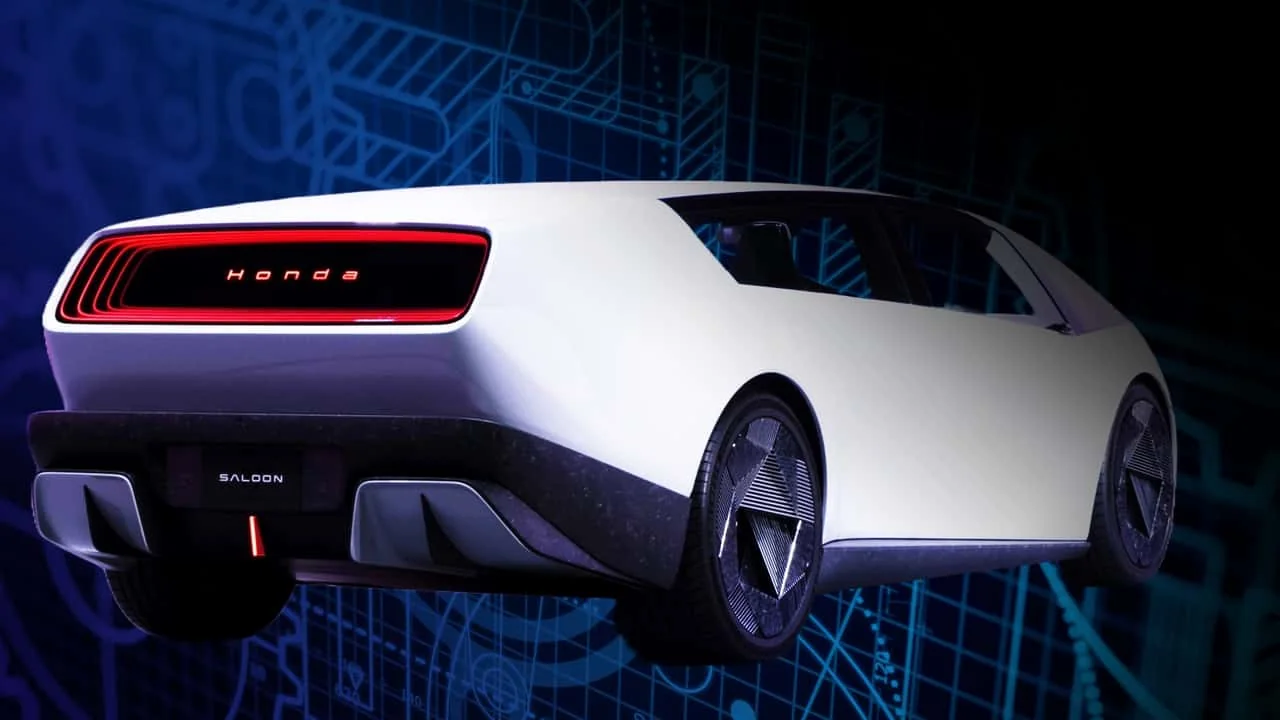
In a significant blow to the automotive industry, Honda's long-planned $11 billion electric vehicle (EV) factory in Canada is reportedly dead. The plant, which was initially expected to be operational by 2025, has been put on hold for two years due to various reasons. While Honda had high hopes of establishing itself as a major player in the EV market, it seems that the Canadian project has fallen through the cracks.
The news comes as a disappointment to many in the industry, who were eagerly awaiting Honda's entry into the EV market. With the rise of electric vehicles, manufacturers have been shifting their focus towards sustainable energy solutions. The closure of this factory may signal a shift in Honda's priorities, leaving investors and fans wondering about the company's future plans.
The $11 billion investment was meant to be a significant step forward for Honda's EV ambitions. However, it appears that the company has decided to reevaluate its strategy, possibly due to changing market conditions or increased competition from other manufacturers. The decision to put the plant on hold may have been a calculated risk to reassess the feasibility of the project.
While the closure of this factory is a significant setback for Honda's EV plans, it does not necessarily mean that the company will abandon its electric ambitions altogether. It is possible that Honda will reassess its strategy and allocate resources more efficiently, potentially leading to new projects or partnerships in the future.
The news has also raised questions about the impact on Canada's economy, which had been expecting significant investment from Honda. The closure of this factory may have far-reaching consequences for local businesses and workers who were relying on the project for employment opportunities.
Honda's decision to put the plant on hold is a stark reminder that even the largest manufacturers can be affected by market fluctuations. As the automotive industry continues to shift towards sustainable energy solutions, companies must be prepared to adapt quickly to changing circumstances.
The closure of this factory may also have implications for Honda's global supply chain and manufacturing operations. With the rise of electric vehicles, manufacturers are facing increased pressure to optimize their production processes and reduce emissions. This may lead to a reevaluation of Honda's manufacturing strategies in the coming years.
While the news is certainly disappointing for fans of Honda's EV ambitions, it does not necessarily mean that the company will give up on its electric dreams entirely. As the industry continues to evolve, manufacturers must be prepared to pivot and adjust their strategies accordingly.
In conclusion, the closure of Honda's $11 billion EV factory in Canada is a significant setback for the company's plans to enter the electric vehicle market. While it may signal a shift in Honda's priorities, it does not necessarily mean that the company will abandon its electric ambitions altogether.