
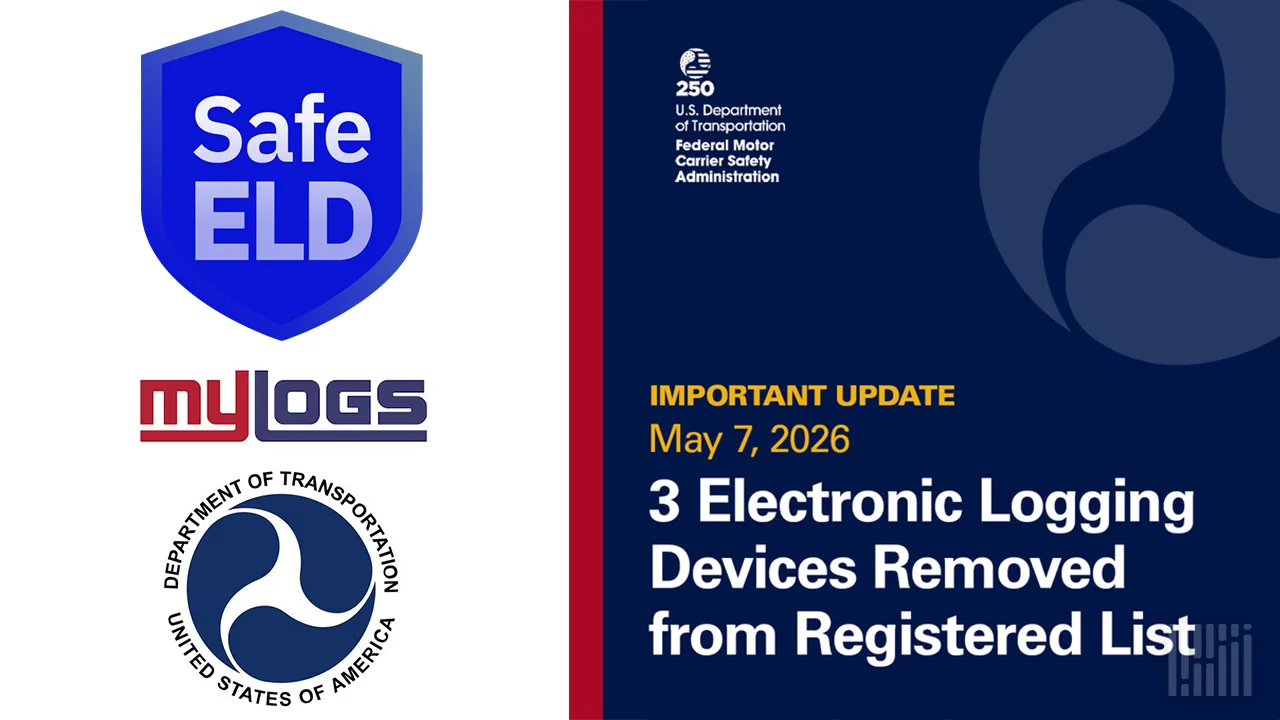
The FMCSA has taken decisive action against noncompliant electronic logging devices (ELDs) since January 2025, removing 67 devices that failed to meet federal standards. This enforcement campaign is not a periodic housekeeping exercise, but rather a concerted effort to protect the integrity of the ELD program.
The revoked list now carries over 250 devices, with 60 seven revocations occurring in the last 16 months alone. This indicates a significant increase in enforcement action, which will likely have a ripple effect on the industry. The FMCSA has made it clear that it will continue to identify and remove any device that falls short of federal standards.
The ELD certification model in the US is self-certified by manufacturers, which means that companies are responsible for ensuring their devices meet technical specifications. This lack of oversight has led to widespread noncompliance, resulting in 1,050 registered ELD devices in the country.

Carriers must stop using revoked devices immediately and revert to paper logs or compliant logging software to record hours-of-service data. They have a 60-day window to replace the device with a compliant ELD from the FMCSA-registered list before July 7, 2026.
The FMCSA is urging roadside enforcement officers not to cite drivers using revoked devices for certain violations, instead asking them to use paper logs or the ELD display as a backup. This grace period will end on July 7, after which drivers using noncompliant devices will be cited and placed out of service.
Failure to comply with ELD regulations can result in significant consequences, including fines, penalties, and damage to a company's reputation. The industry must take proactive steps to address the root causes of noncompliance and ensure that all devices meet federal standards.
The recent crackdown on noncompliant ELDs highlights the need for improved oversight and regulation of the industry. The self-certification model is not working, and it is time for the FMCSA to reevaluate its approach to ELD certification.
Carriers must be proactive in ensuring that their devices meet federal standards and take steps to address any potential noncompliance issues. This includes regular audits, training, and monitoring of ELD usage.
The consequences of noncompliance will only continue to escalate if the industry does not take action to address these issues. The FMCSA's enforcement campaign is a necessary step towards ensuring compliance and safety on our roads.
The ELD certification model is fundamentally broken and needs to be overhauled to ensure compliance and safety.