

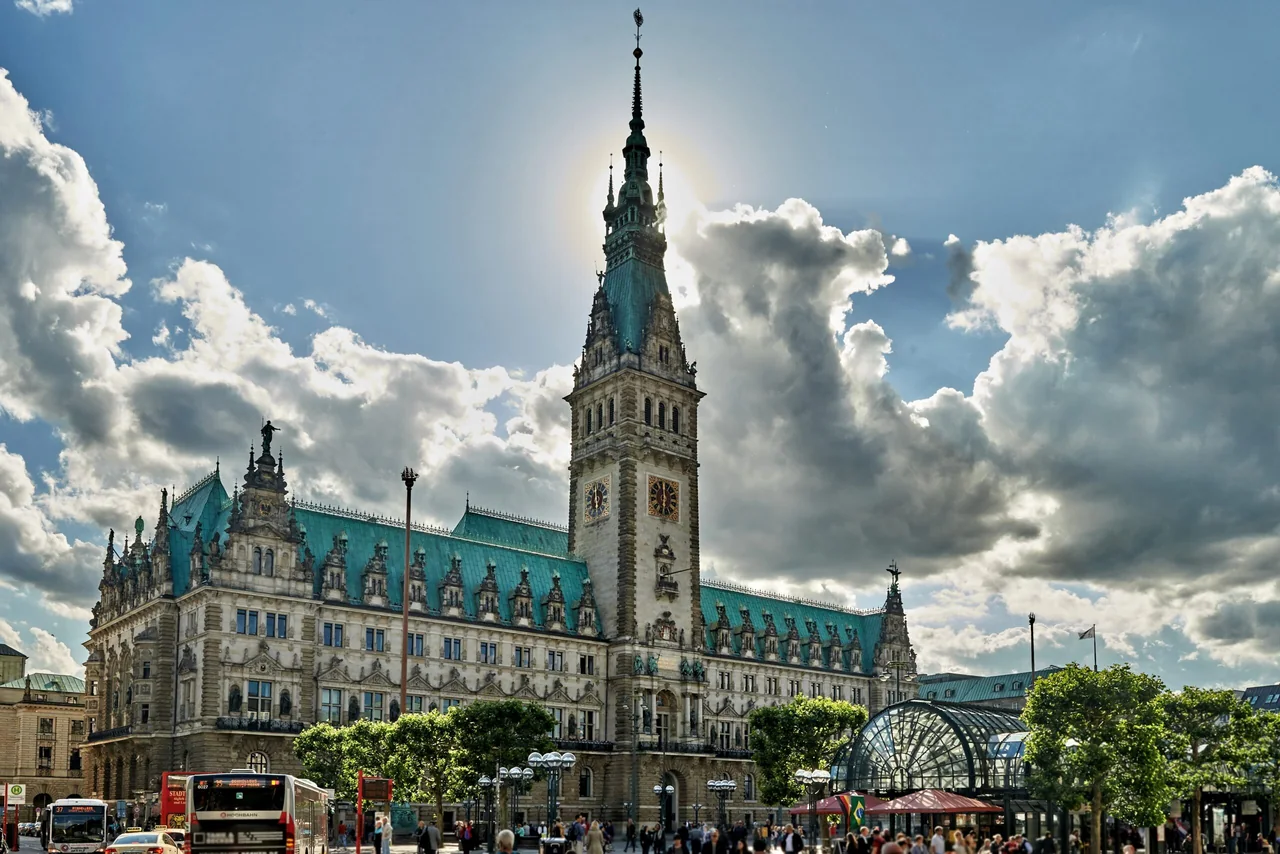
The German city of Hamburg is making significant strides towards a cleaner transportation system with the announcement of 240 new electric buses planned for delivery by 2031. This addition will bring the total number of electric buses in Hamburg's fleet to over 680, which represents nearly 50% of the city's bus fleet. The move is part of Hamburg's broader goal to reduce its carbon footprint and become a model for sustainable urban development.
Hamburg's decision to switch to electric buses is not only a step towards reducing air pollution but also a cost-effective solution. With electricity costs significantly lower than diesel fuel, the city can expect to save millions of euros in operating expenses over time.
The German government has set ambitious targets for reducing greenhouse gas emissions from transportation, with a goal of achieving 80% renewable energy by several years. Hamburg's commitment to electric buses is an important part of this effort, demonstrating the city's leadership in the transition to sustainable transportation.
As other European cities follow suit, Hamburg's decision to electrify its bus fleet sends a strong signal about the importance of reducing emissions from urban transportation. With over 1.9 million residents, Hamburg's move has significant implications for the country's overall carbon footprint and air quality.
The benefits of electric buses extend beyond environmental concerns, with improved energy efficiency and lower operating costs also contributing to their appeal. As cities around the world continue to grapple with the challenges of urbanization, sustainable transportation solutions like Hamburg's are increasingly important.
Hamburg's experience with electric buses can serve as a model for other cities looking to make similar transitions. By leveraging existing infrastructure and investing in new technologies, cities can create more efficient, cleaner, and healthier transportation systems.
The German city's goal of having 100% zero-emissions buses by the early 2030s is an ambitious target that reflects the country's commitment to reducing emissions from all sectors. Hamburg's decision to electrify its bus fleet is a key part of this effort, demonstrating the city's leadership in the transition to sustainable transportation.
As cities like Hamburg continue to invest in electric buses and other sustainable transportation solutions, we can expect to see significant improvements in air quality and public health. The long-term benefits of these investments will be felt for generations to come.
The introduction of 240 new electric buses in Hamburg by 2031 is a major step forward for the city's sustainability goals. With over 350 electric buses already ordered for delivery, Hamburg is well on its way to achieving its ambitious targets and setting a new standard for urban transportation.