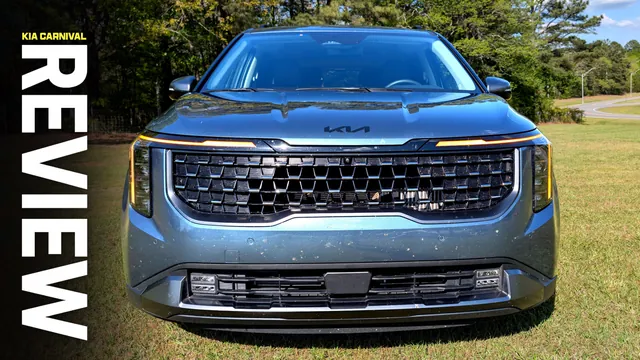

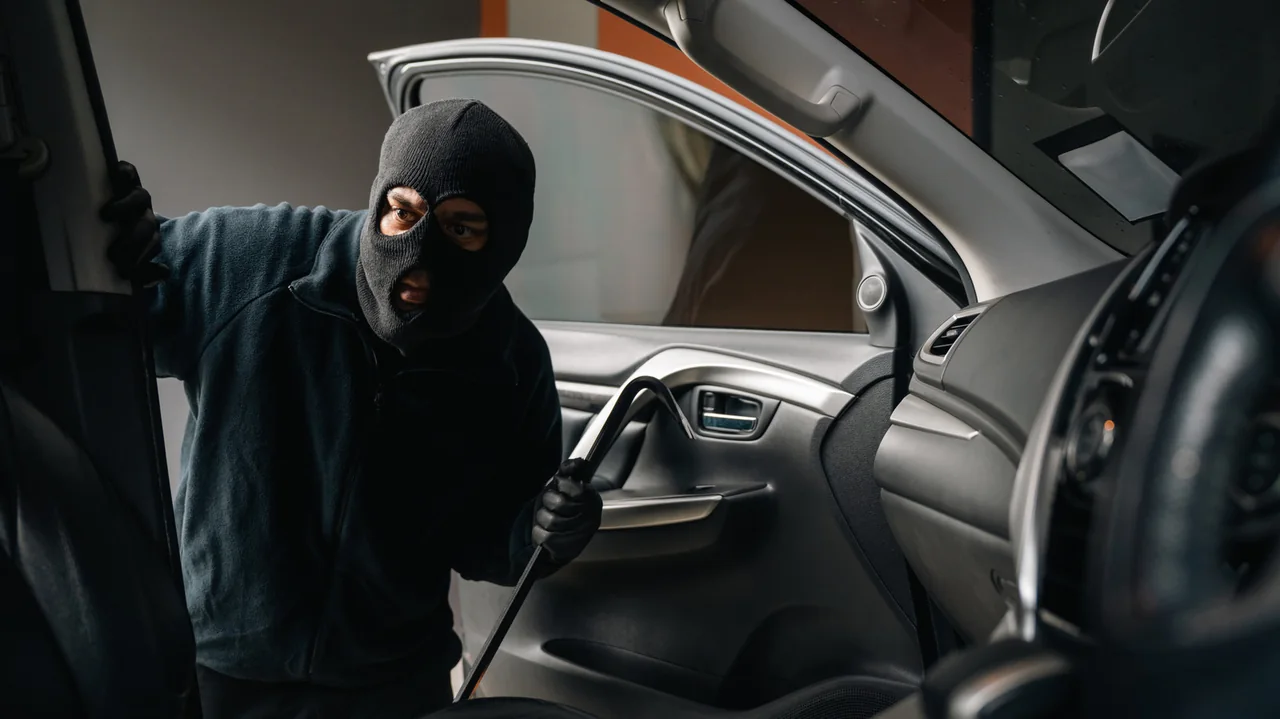
In recent years, a surge in car thefts has been linked to the lack of immobilizers on certain Kia models. The problem came to light when it was discovered that many Kia products were being sold without this crucial safety feature.
The situation led to a reporter having her own Kia Forte stolen, highlighting the importance of proper vehicle security measures. However, when Kia implemented a software-based fix for the issue, the theft rates plummeted.
According to data from the Highway Loss Data Institute (HLDI), Kia models that received the update had 53% fewer insurance claims involving theft than those that didn't.
This number is particularly significant when looking at 'whole vehicle theft,' where there were 64% fewer claims in updated cars compared to their unfixed counterparts.
The HLDI data builds on an extensive study from the Security Journal, which found a massive 80% drop in U.S. car thefts from 1990 to 2020, directly attributing it to the rise of engine immobilizers.
While Kia has taken steps to address the issue, there are no national laws requiring all automakers to include immobilizers on their vehicles.

The lack of standardization in vehicle security measures raises concerns about the effectiveness of current safety features.
It's possible that the entire Kia theft crisis could have been prevented if there were national laws mandating the inclusion of immobilizers on all vehicles.
The rise of engine immobilizers has significantly reduced car theft rates, but modern push-button start systems face new security challenges.