


Semi-truck manufacturers are prioritizing design over brute force to reduce diesel consumption. With average diesel prices reaching $5.50 per gallon, fuel efficiency is a top priority for drivers and operators. Despite this, semi-trucks still struggle with an average fuel economy of 7.2 mpg.
The latest generation of semi-trucks features aerodynamic designs that minimize wind drag and maximize fuel savings. These enhancements include optimized A-pillar deflectors, redesigned hoods, and advanced front bumpers with Max Aero technology.
Design plays a crucial role in reducing diesel consumption, as even small improvements can add up to significant fuel savings. The fifth-generation Freightliner Cascadia is one such example, featuring a Max Aero front bumper that reduces drag and improves fuel economy.
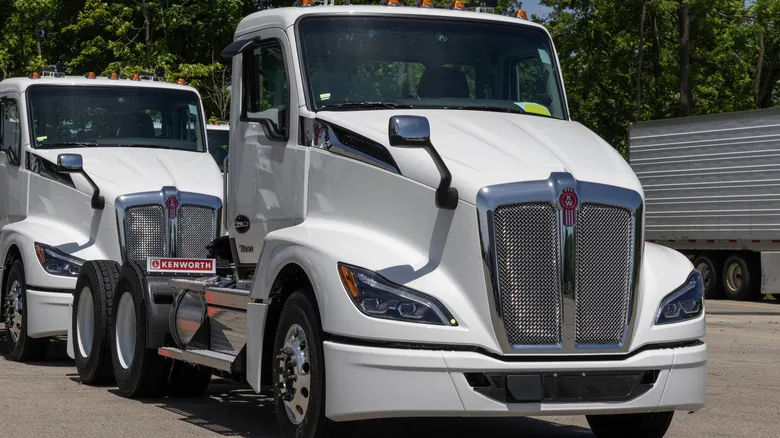
In addition to aerodynamic design, manufacturers are also optimizing powertrains and drivetrains to deliver more efficient performance. For instance, the Kenworth T680 Advantage features a Paccar MX-13 diesel mill and an Eaton Fuller Advantage 10-speed automated transmission.
The benefits of fuel-efficient semi-trucks extend beyond cost savings, as they also improve profitability for operators. By reducing fuel consumption, truckers can increase their bottom line and stay competitive in the market.
However, it's worth noting that even with these advancements, semi-truck fuel economy remains a challenge. The Peterbilt 579, for example, features an air dam in its front bumper and redesigned mirror heads to reduce wind drag.
The shift towards more efficient semi-trucks is driven by the need for cost savings in an industry where diesel prices are high. By optimizing design and powertrains, manufacturers can help operators reduce their fuel consumption and stay ahead of the competition.
As the trucking industry continues to evolve, it's likely that we'll see even more innovative designs and technologies emerge. For now, however, it's clear that aerodynamic design is a key factor in reducing diesel consumption and improving fuel economy.
Ultimately, the focus on fuel-efficient semi-trucks represents a significant shift in the industry, one that prioritizes efficiency over brute force. As such, it will be interesting to see how this trend plays out in the coming years.
The shift towards more efficient semi-trucks has significant implications for the trucking industry, as it reduces operating costs and improves profitability.