


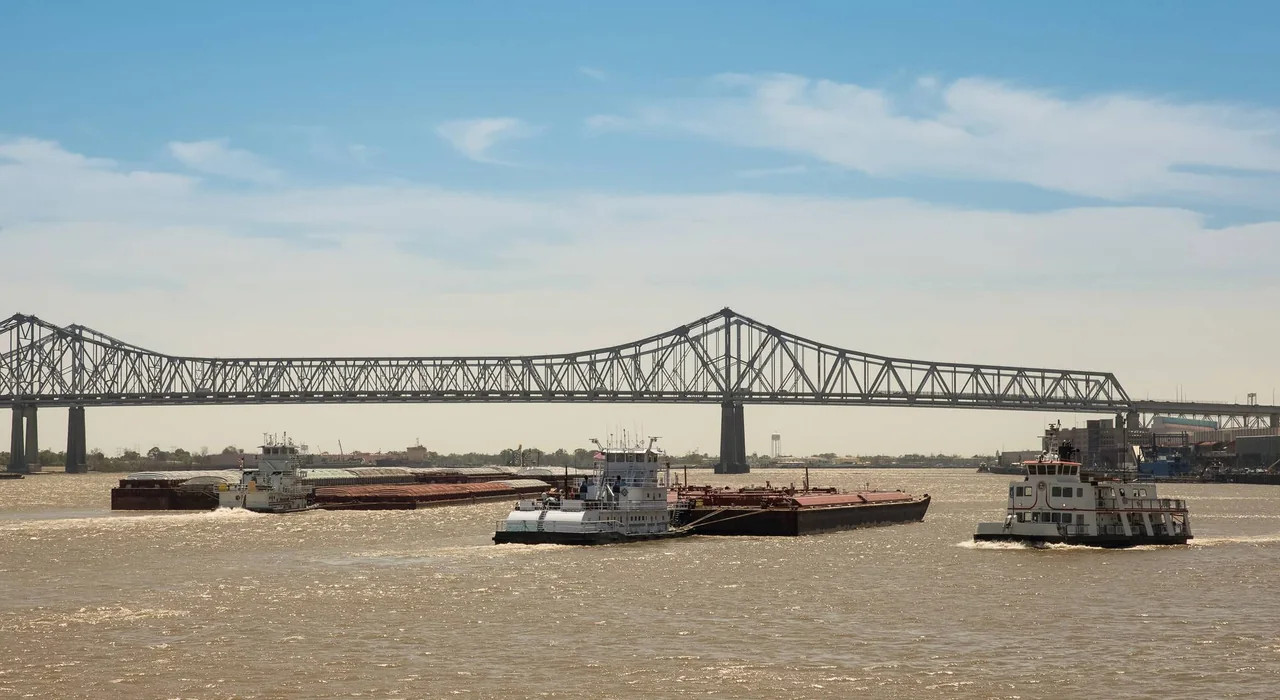
The American tugboat, towboat and barge industry continues to move our nation's cargo on U.S. domestic waterways safely and securely despite occasional disruptions from Mother Nature.
This stability is a result of public policies that enable the industry to thrive and innovate, but those policies cannot be taken for granted.
Policymakers must make conscious choices to shape an operational environment that reflects the industry's importance to the nation's economy and supply chain.
The current Jones Act waiver has had no impact on domestic gasoline prices despite its unprecedented length and scope.
However, the waiver has created serious vulnerabilities in the US maritime industry.
Foreign vessels now navigate our domestic waterways freely, directly undercutting American companies that follow U.S. law.
This puts American vessel owners, mariners, and shipyards at a disadvantage and undermines supply chain reliability while making our waterways less safe.
The Jones Act waiver is not a waiver of US tax, immigration, labor, or environmental laws, but its implications are unclear.
Ensuring foreign vessels using the waiver are fully compliant with applicable laws is a concern that raises questions about fairness and safety.
The Jones Act waiver creates serious vulnerabilities in the US maritime industry.


