


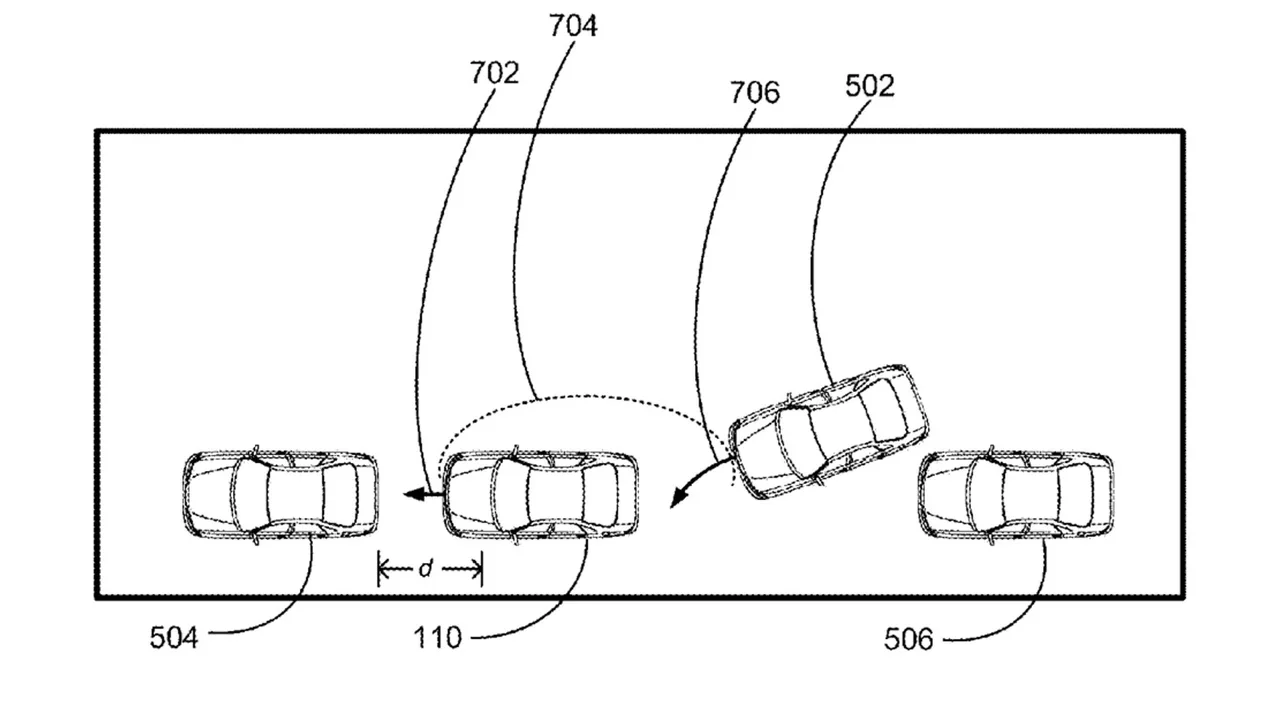
The automotive industry is taking a significant step forward with Ford's latest patent filing. A 'System for detecting moving objects' (US-12617393-В2) would enable cars to move themselves to avoid collisions or reduce impact probabilities. This technology has the potential to prevent minor crashes and impacts, but regulatory hurdles remain as a major obstacle to its implementation.
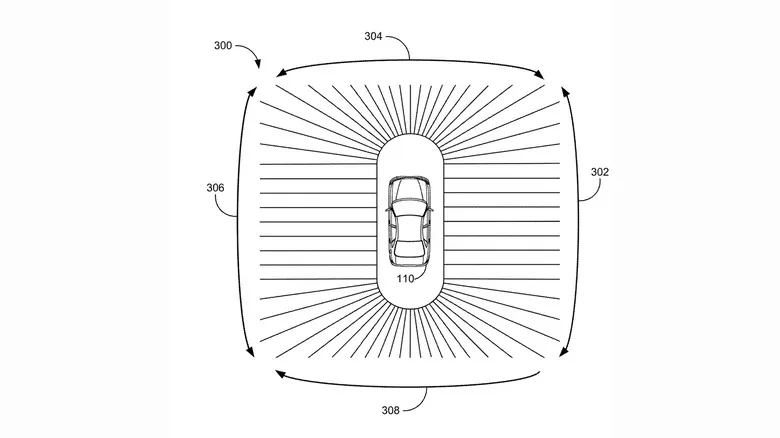
The system uses sensors to monitor potential impacts around the car, which can then try to move out of the way if necessary. Given that Ford already employs a range of sensors in many of its vehicles for surveillance purposes, it's entirely possible that the company has the technical capabilities to produce this technology.
In practice, the system appears to be relatively straightforward. The car will use its array of sensors to track the trajectories of objects around it, providing visual and auditory warnings if necessary. If a collision seems imminent, the car will attempt to move and reduce the likelihood of impact.
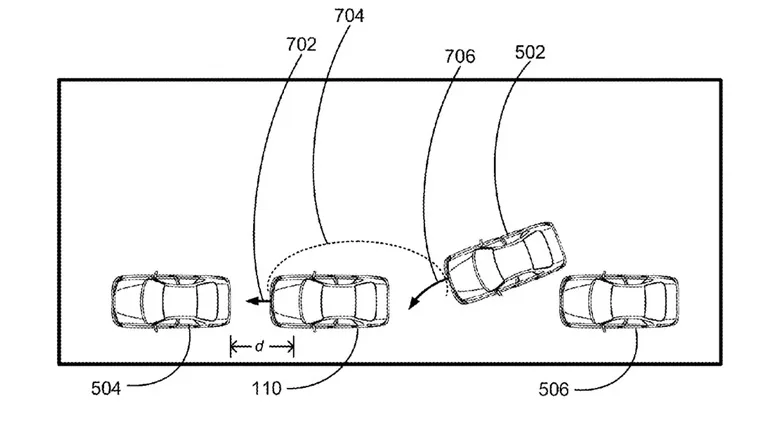
The technical aspects of the system are complex, but the overall concept is simple enough. By detecting potential impacts and responding accordingly, this technology could significantly reduce the number of minor crashes and impacts on the road.
Regulatory approval is a significant challenge for the widespread adoption of autonomous car technologies like this one. While the technical feasibility of the system is clear, it remains to be seen whether regulatory bodies will eventually permit cars to move on their own without human intervention.
The potential benefits of this technology are undeniable. By enabling cars to avoid minor collisions and impacts, Ford's self-parking tech could significantly improve road safety and reduce wear and tear on vehicles.
However, concerns about the potential misuse of this technology by malicious individuals cannot be ignored. The possibility of 'scaring' other people's cars with shopping carts or bicycles is a legitimate concern that must be addressed.
In conclusion, Ford's self-parking tech patent represents an exciting development in the field of autonomous vehicles. While regulatory hurdles remain to be overcome, the potential benefits of this technology are undeniable and warrant further exploration.
As the automotive industry continues to evolve towards more autonomous and connected vehicles, innovations like this one will play a critical role in shaping the future of transportation.
Ultimately, the success of Ford's self-parking tech will depend on its ability to overcome regulatory challenges and address concerns about safety and security. If successful, this technology could have a significant impact on road safety and vehicle durability.
This technology has the potential to prevent minor crashes and impacts, but regulatory hurdles remain.