

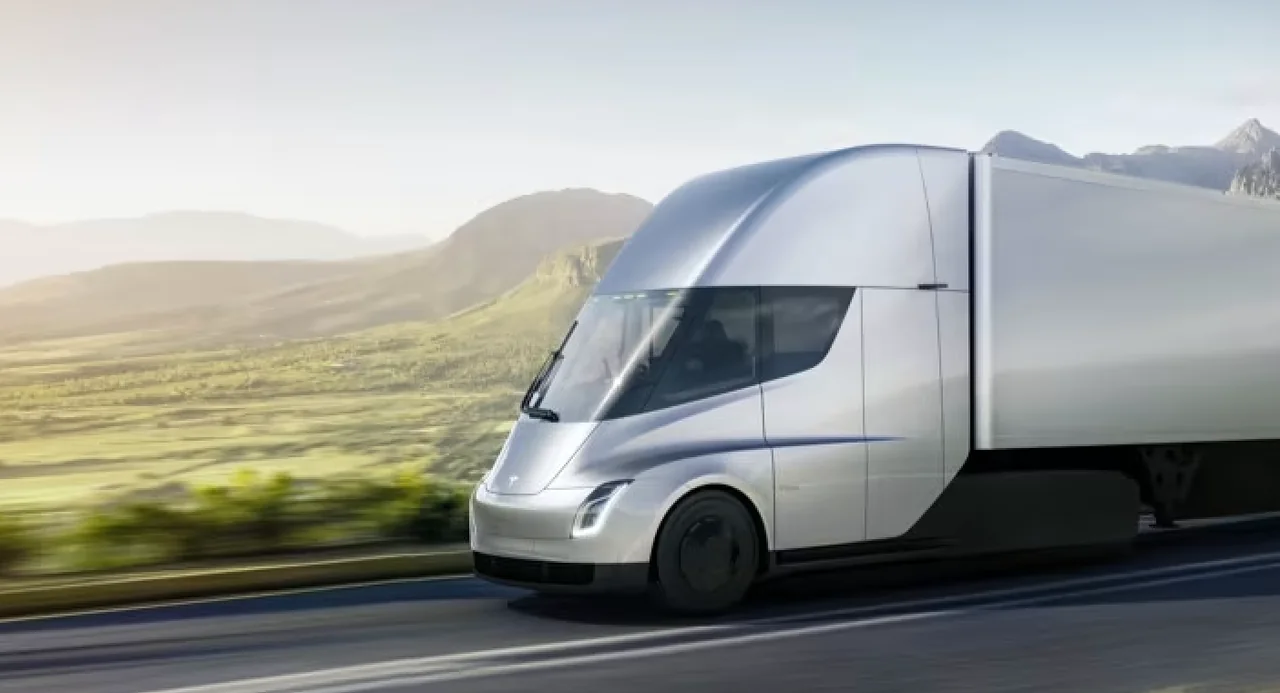
Tesla's first semi-truck has been ordered by WattEV, with 370 units expected to be deployed under a joint program with the Port of Oakland. The delivery of the first 50 Semis will coincide with the opening of charging stations and truck depots at the Port of Oakland and in Fresno.
The joint program aims to reduce greenhouse gas emissions and promote sustainable logistics practices. Electric semi-trucks are expected to have a lower environmental impact compared to diesel trucks, which generate toxic air pollution.
While some people may be confused about the benefits of electric vehicles, it's essential to understand that electric semi-trucks do not directly generate particulate matter, ozone, nitrogen oxides, sulfur oxides, or volatile organic compounds. They can also be run on clean, renewable electricity from solar power, wind power, hydroelectric power, and geothermal.
The cost of installing new solar power and wind power is actually less than installing new nuclear and natural gas power plants. This shift towards clean energy options is expected to have a significant impact on the logistics industry.
Electric semi-trucks will benefit drivers by reducing their exposure to toxic chemicals and diesel fumes, making them a healthier option for those working in the trucking industry.
The economic case for electric semi-trucks is strengthening as energy costs diverge further. Diesel fuel costs are expected to continue being a decisive factor in fleet procurement decisions.
WattEV's electrified freight solutions allow them to deliver goods at better economics compared to diesel today, and as energy costs diverge further, the economic case only strengthens.
As the logistics industry continues to evolve, electric semi-trucks are likely to play a significant role in reducing greenhouse gas emissions and promoting sustainable practices.
The shift towards electric semi-trucks is a significant step towards reducing greenhouse gas emissions in the logistics industry.