

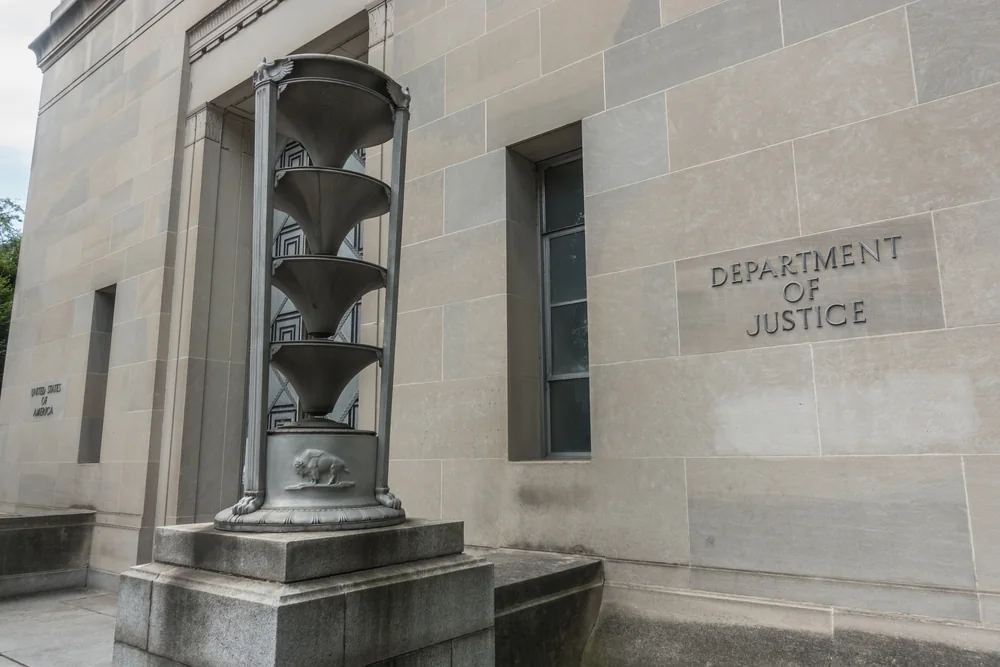
The Department of Justice (DOJ) has released a letter outlining its plan to address organized cargo theft groups that rely on fraud, fake identities, and cybercrime. This move marks a significant shift in how the government views cargo theft, which is no longer seen as solely a physical crime but rather a complex issue involving identity theft, financial fraud, and compromised communication systems.
The letter highlights the growing threat of organized cargo theft groups that operate across multiple states, using tactics such as spoofed emails, stolen identities, and manipulated onboarding systems to gain access to freight. This approach has made it increasingly difficult for investigators to track down and recover stolen shipments.
As investigators, brokers, insurers, and fraud experts have been warning for years, modern cargo theft often starts long before a truck arrives for pickup. In many cases, the freight is already at risk due to compromised systems, identities, or trusted accounts being accessed by criminals.

The DOJ's plan to address organized cargo theft groups raises important questions about how the industry will be treated in the future. Will federal agencies work more closely together on cargo theft investigations involving cybercrime and financial fraud? Will prosecutors start using stronger fraud charges in these cases?
One of the most significant implications of this move is that cargo theft may finally be viewed as a larger economic issue rather than just a supply chain problem. The industry has long argued that investigations move too slowly due to disconnected reporting systems, but with growing pressure from lawmakers and the industry, change may be on the horizon.
The letter also highlights the need for improved communication and data sharing around cargo theft. With organized theft groups expanding operations across the country, many modern cargo theft cases now involve multiple types of fraud, including identity theft, fake pickups, double brokering, payment fraud, and compromised communication systems all at once.
As a result, the industry is likely to see increased collaboration between federal agencies, private companies, and insurers to combat cargo theft. This may lead to faster investigations, stronger charges, and more effective recovery rates for stolen freight.
The DOJ's plan to address organized cargo theft groups marks a significant shift in how the government views this complex issue. By treating it like organized crime, the DOJ is acknowledging that cargo theft is no longer just a localized problem but rather a national security concern.
With growing pressure from both lawmakers and the industry, the DOJ's move is likely to have far-reaching consequences for the transportation sector. As cargo theft continues to evolve, it will be interesting to see how the industry responds and adapts to this new approach.
The industry is finally getting the attention it needs to combat modern cargo theft.