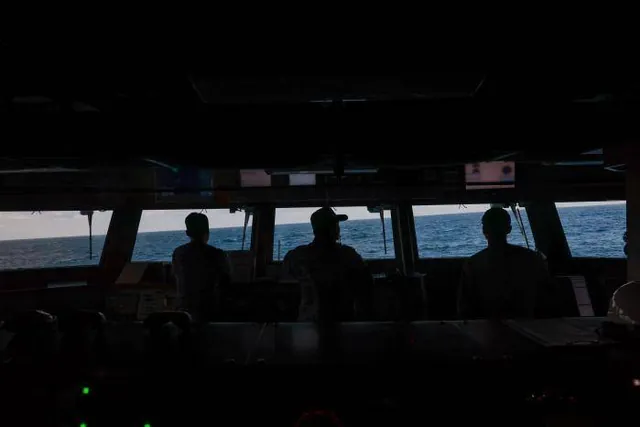


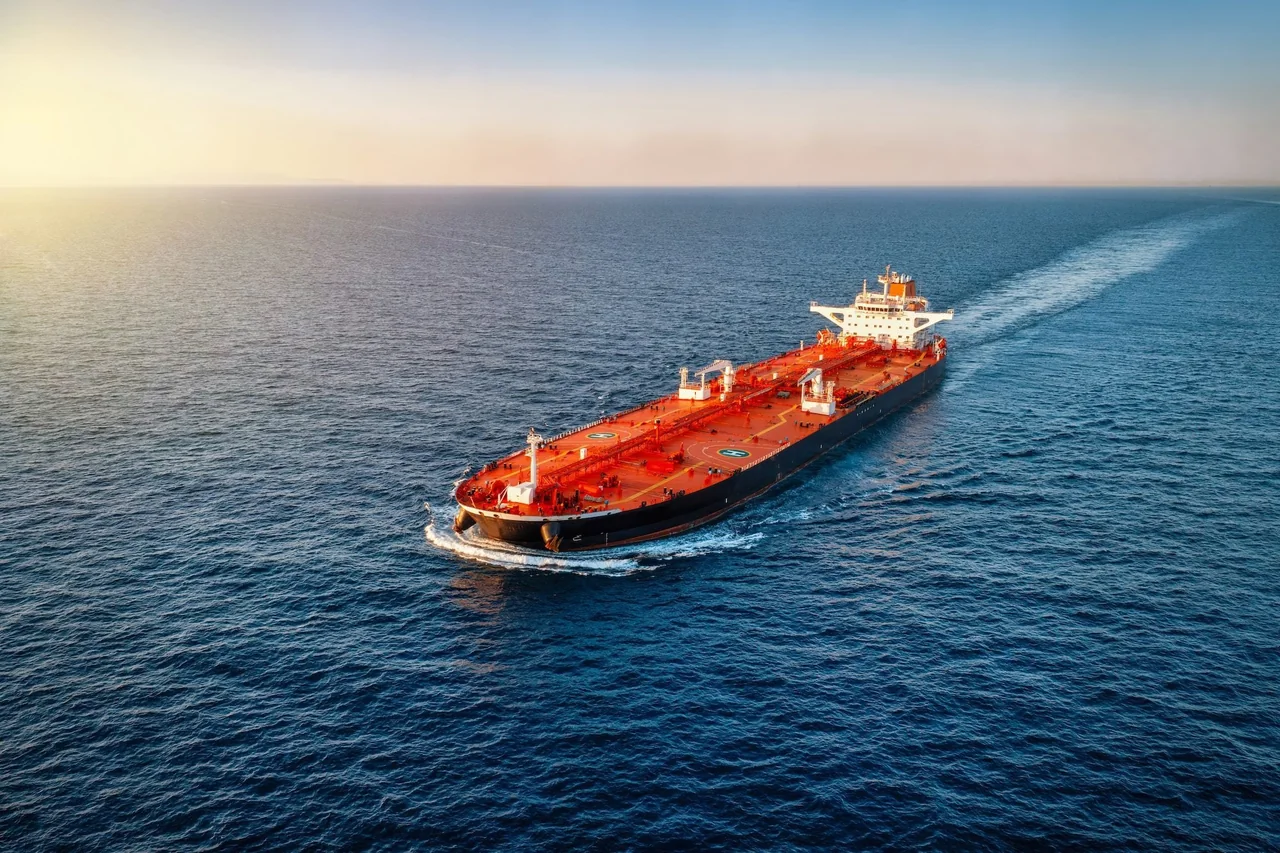
Iran has regained control over energy flows through the Strait of Hormuz, a critical waterway that normally supplies 20% of the world's crude oil and LNG. This shift marks a significant change in Tehran's stance from blocking to controlling access to the strait. The U.S.-Israeli war with Iran has severely impacted energy exports from the region.
The closure of Iranian ports by the U.S. has had a devastating impact on Iraq, which relies heavily on crude oil exports through the strait. Pakistan, which depends on Gulf energy imports, has also faced significant surging fuel costs. The country's reliance on these imports makes it vulnerable to fluctuations in global energy prices.
In a surprise move, Baghdad and Tehran have secured a deal allowing two very large crude carriers to pass through the strait without incident. This agreement marks an initial step towards safeguarding Iraq's oil revenues, which account for 95% of its budget.
Iraq is now working to secure Iran's approval for more transits, as the government seeks to maintain economic stability and mitigate the impact of the U.S.-Israeli war on its economy.
The deal also paves the way for Pakistan to receive Qatari LNG shipments, which will help meet high summer electricity demand for cooling. This development highlights the growing importance of regional diplomacy in navigating global energy dynamics.
Neither Iraq nor Pakistan has made direct payments to Iran or its Islamic Revolutionary Guard Corps (IRGC) in relation to the transits, but Qatar's involvement in informing the U.S. ahead of these shipments suggests a broader regional consensus on energy cooperation.
Other countries are exploring similar deals, as rising tensions in the region continue to impact global energy markets. This trend underscores the need for more effective diplomacy and cooperation among nations to address the complex challenges facing the energy sector.
The Iran-Pakistan-Iraq transit deal marks a significant shift towards increased regional cooperation on energy issues. As the world grapples with the challenges of climate change, energy security, and economic growth, this development highlights the critical role that diplomacy will play in shaping global energy dynamics.
This development highlights the growing importance of regional diplomacy in navigating global energy dynamics.