
The United States and China have agreed to see the Strait of Hormuz reopened without curbs or tolls, according to U.S. Trade Representative Jamieson Greer. This development comes as a fragile ceasefire holds in the Iran war, which has dented President Donald Trump's approval ratings ahead of November's crucial midterm elections. The Strait of Hormuz is a critical shipping route for global energy supplies, with nearly a fifth of oil and liquefied natural gas traveling through it in normal times. China's close ties with Iran make its support crucial to the conflict's outcome.
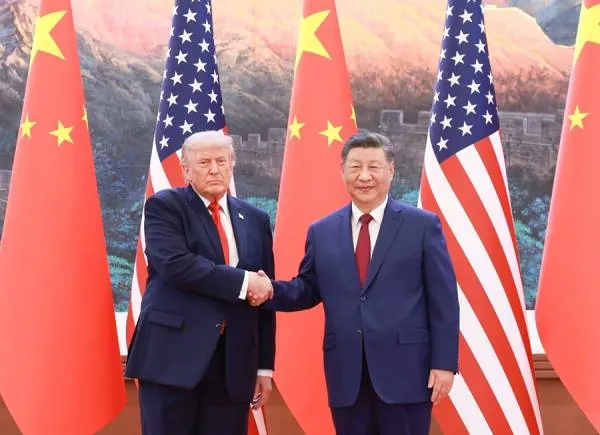
The U.S.-China summit meetings between President Trump and Chinese President Xi Jinping have yielded a significant concession from Beijing: the Strait of Hormuz should be opened without any restrictions or military control. This is a clear indication that China wants to avoid being seen as supporting Iran, which has largely shut the strait to ships apart from its own. The U.S. Trade Representative's comments suggest that China is being pragmatic in its approach to the conflict.
The Iran war has had a significant impact on global energy supplies, with the Strait of Hormuz closure causing the biggest-ever disruption. As a result, the international community is keen to see a swift resolution to the conflict. The U.S. and China's agreement on the Strait of Hormuz reopening without curbs or tolls is seen as a positive step towards deescalation.
The U.S.-China summit meetings have also highlighted the importance of finding a solution to the Iran war earlier rather than later. According to the Chinese foreign ministry, there is no need to continue this war that should not have happened, and finding a solution is beneficial to both the United States and Iran, as well as the whole world.
The U.S. Trade Representative's comments suggest that China is willing to limit its material support for Iran in order to achieve peace in the region. This pragmatism may impact global oil markets, particularly if China continues to be a major buyer of Iranian oil.
The Strait of Hormuz closure has significant implications for global energy supplies and trade routes. The international community is keen to see the strait reopened as soon as possible to restore normal shipping operations.
The agreement on the Strait of Hormuz reopening without curbs or tolls is seen as a positive step towards deescalation in the Iran war. However, it remains to be seen whether China will follow through on its commitments and limit its material support for Iran.
China's diplomatic efforts have been focused on finding a peaceful resolution to the conflict, rather than forceful criticism of U.S. conduct. The country has refrained from criticizing the U.S. approach to the war, instead opting for a pragmatic approach that prioritizes finding a solution.
The U.S.-China summit meetings have highlighted the importance of cooperation in addressing global challenges. As the world continues to navigate complex conflicts and trade tensions, it is essential to find common ground and work towards mutually beneficial solutions.
China's pragmatism in Iran conflict may impact global oil markets.