
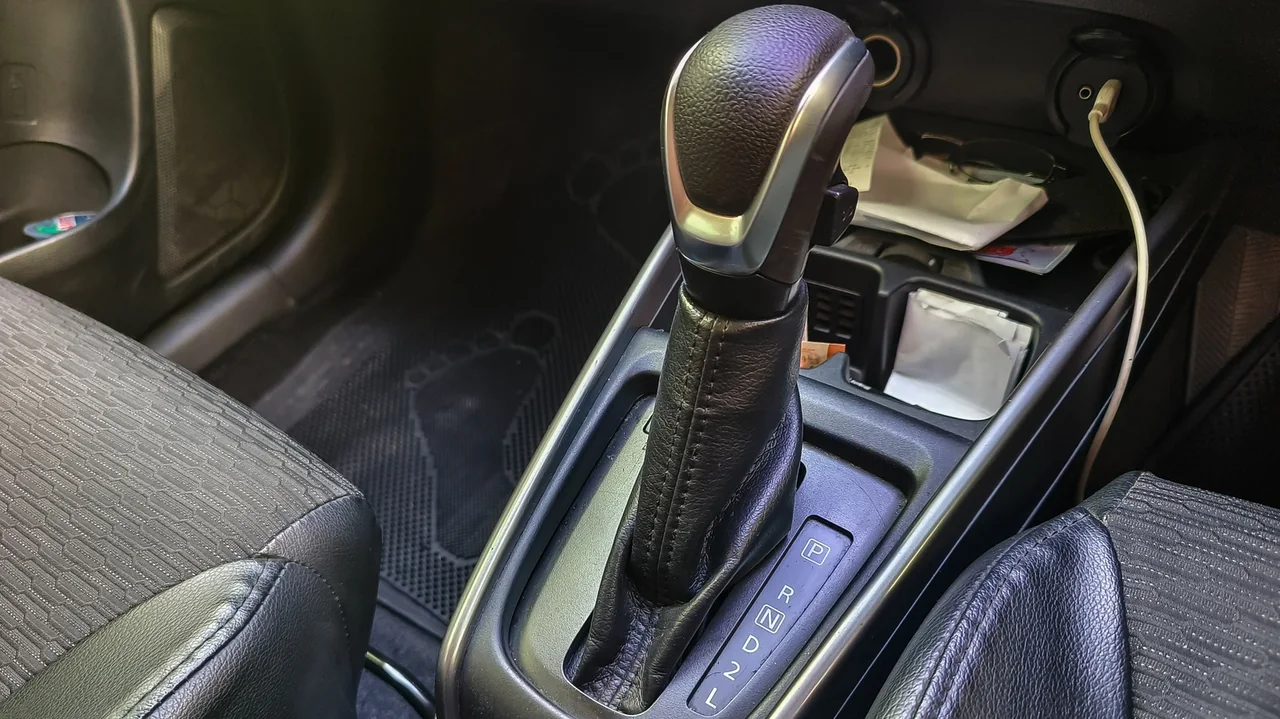
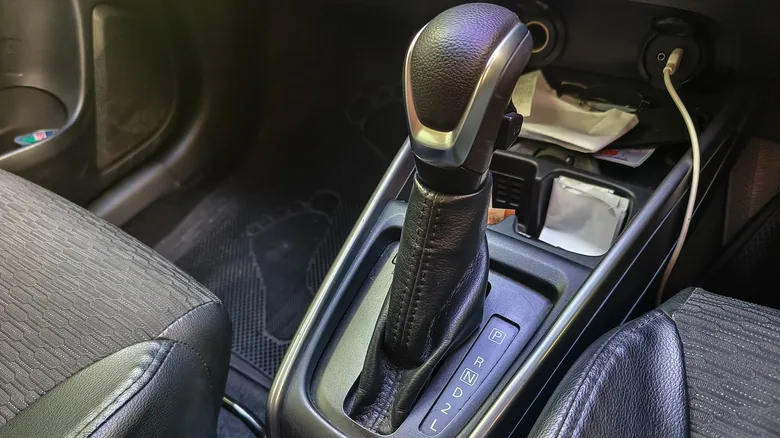
The 'L' position on your automatic transmission shifter may be less self-explanatory than other modes, but it's actually quite simple: 'L' just means low gear. When selected, the car is essentially in drive, but restricted to low gears only.
In older vehicles with fewer speeds, this mode will likely restrict you to only first or second gear, whereas in modern cars with more speeds, it may also include third. The point of this low gearing mode is to allow enhanced control of the vehicle in certain circumstances.
This mode essentially levels the playing field between manual and automatic transmissions, placing the control back into the hand of the driver.
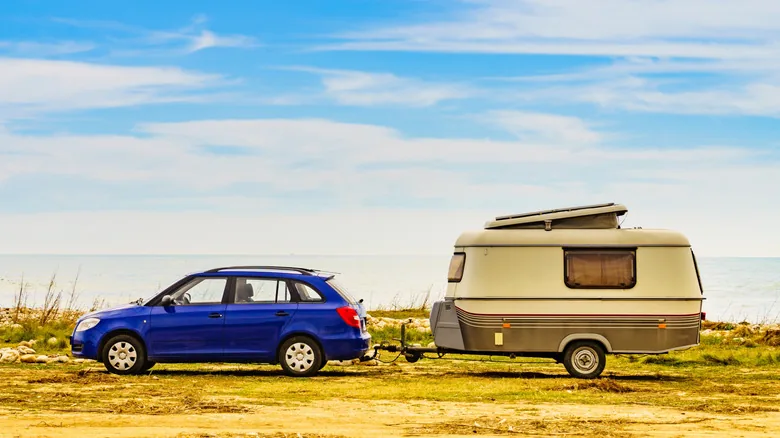
Low gears are really useful when towing, as they allow the engine to deliver the torque needed to tow competently. This helps with setting off and approaching inclines, plus it stops excessive shifting that puts extra stress on the transmission.
Even without a trailer, slotting the transmission into low can be helpful for tackling particularly steep inclines or driving in wintery conditions. It keeps the transmission from shifting up so that the car can climb with relative ease and plentiful torque.
Low mode is also ideal for steep declines, as it allows the vehicle to remain at slower speeds and engine braking is more effective. This reduces brake pad wear too.
For drivers who need to navigate challenging terrain or weather conditions, this feature is particularly useful. However, it's essential to be mindful of when to use low gear mode and not overuse it.
To get the most out of your car's low gear mode, make sure to select drive again once you've completed the task that required low gears.
This feature is particularly useful for drivers who need to navigate challenging terrain or weather conditions.