
The electric vehicle (EV) market has experienced significant growth in recent years, but a surprising number of people still harbor doubts about the technology. Despite the industry's efforts to promote sustainability and reduce carbon emissions, some individuals remain skeptical about the benefits of EVs.
One of the primary concerns among EV skeptics is the high upfront cost of electric cars. Many potential buyers are deterred by the perceived expense, which can range from $10,000 to over $50,000, depending on the model and features.
However, it's worth noting that the cost of EVs is decreasing rapidly as technology improves and economies of scale are achieved through mass production. This trend is expected to continue in the coming years, making EVs more accessible to a wider range of consumers.
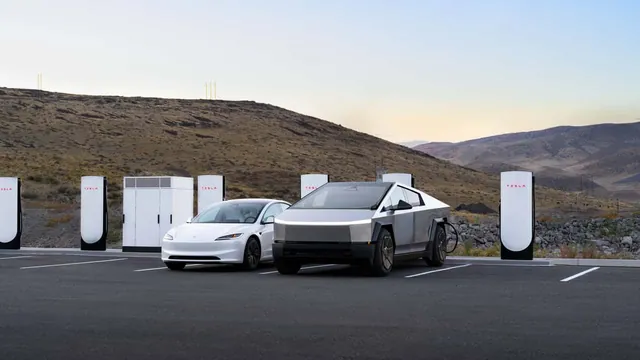
Another key area of concern for EV skeptics is the limited charging infrastructure. While this issue is being addressed by governments and private companies alike, it remains a significant barrier to widespread adoption.
The industry has been working to expand its network of charging stations, with many major automakers investing heavily in this area. This effort aims to provide consumers with greater confidence in their ability to own an EV without worrying about access to charging facilities.
In addition to these practical concerns, some EV skeptics also express reservations about the environmental impact of battery production. While EVs produce significantly fewer emissions than traditional gasoline-powered vehicles, the extraction and processing of raw materials required for battery manufacturing can have negative effects on local ecosystems.
The industry has responded to these concerns by emphasizing the importance of sustainable sourcing and responsible mining practices in the production of EV batteries. This focus on environmental responsibility is expected to become even more prominent in the coming years as consumers increasingly prioritize eco-friendliness when making purchasing decisions.
Despite these challenges, a growing number of people are still drawn to the benefits of electric vehicles. As the technology continues to evolve and improve, it's likely that we'll see increased adoption rates as consumers become more comfortable with the idea of owning an EV.
Ultimately, the success of EVs will depend on their ability to address the concerns of skeptics while providing a compelling value proposition for environmentally conscious consumers.