

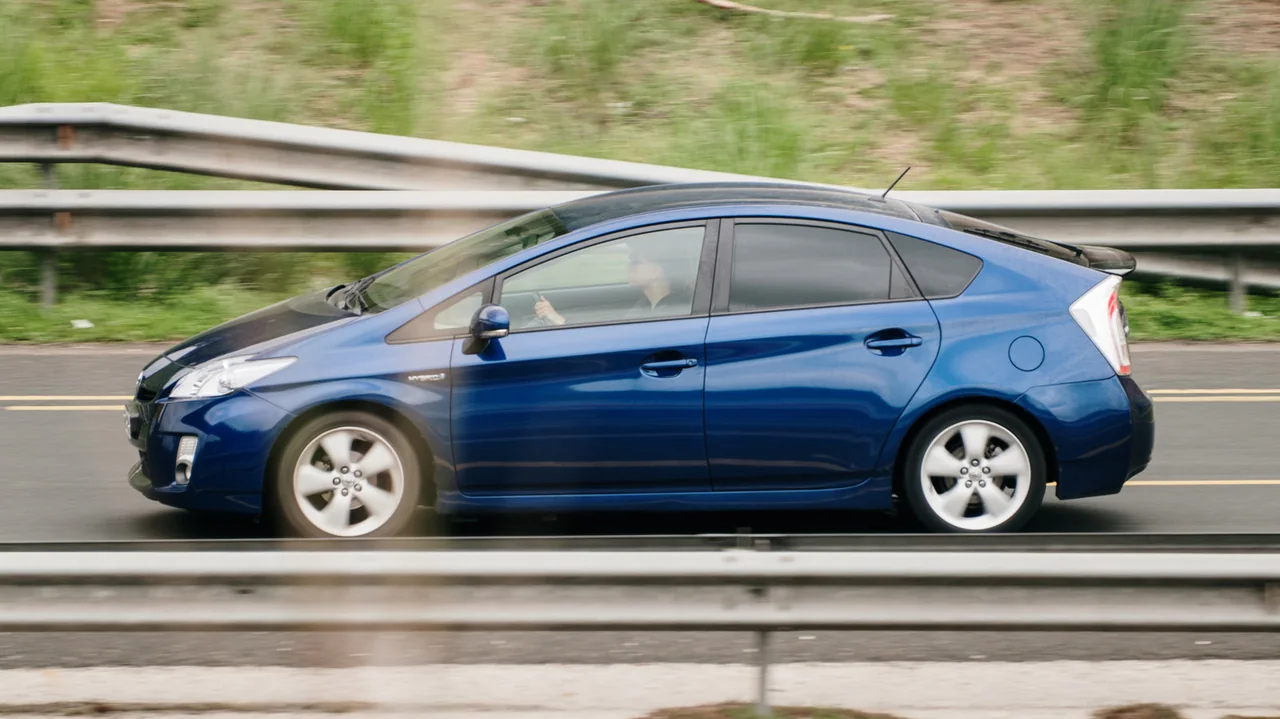
Hybrid cars use internal combustion engines alongside electric motors and battery packs to achieve efficient energy usage.
The primary goal of a hybrid car is to optimize the engine's RPM range for maximum efficiency.
When driving, hybrids charge their batteries through regenerative braking, capturing kinetic energy and converting it into electrical energy.
Regenerative braking works by reversing the polarity of the electric motor during braking, generating electricity from the wheels' momentum.
This process not only slows down the car but also stores excess energy in the battery pack for later use.
Mild hybrids, a lower-tier hybrid system, rely on 48-volt systems with integrated starter generators to improve fuel efficiency.
These systems constantly scavenge energy from the engine and convert it into electrical power to charge the battery.
The stored energy is used to power various accessories, reducing the need for additional fuel consumption.
In addition to regenerative braking, mild hybrids provide a 'torque fill' that supplements the engine's performance during acceleration.
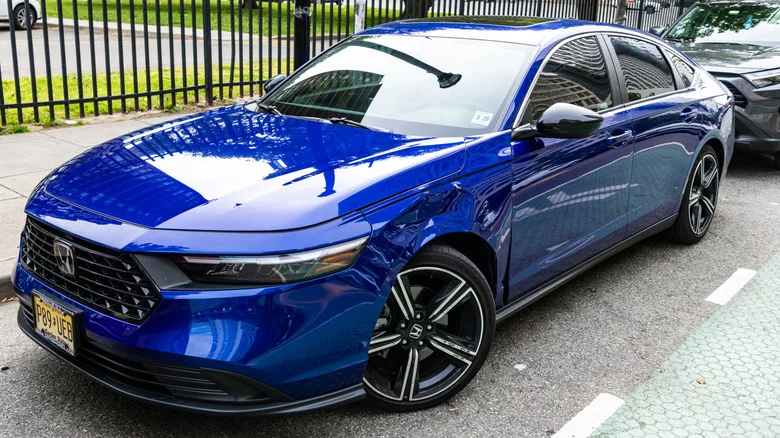
This technology has become increasingly popular in recent years, with many manufacturers incorporating hybrid systems into their vehicles.
As the automotive industry continues to evolve, hybrid technology is expected to play an even more significant role in reducing emissions and improving fuel efficiency.
Hybrid technology has come a long way, offering significant improvements in fuel efficiency and reduced emissions.