


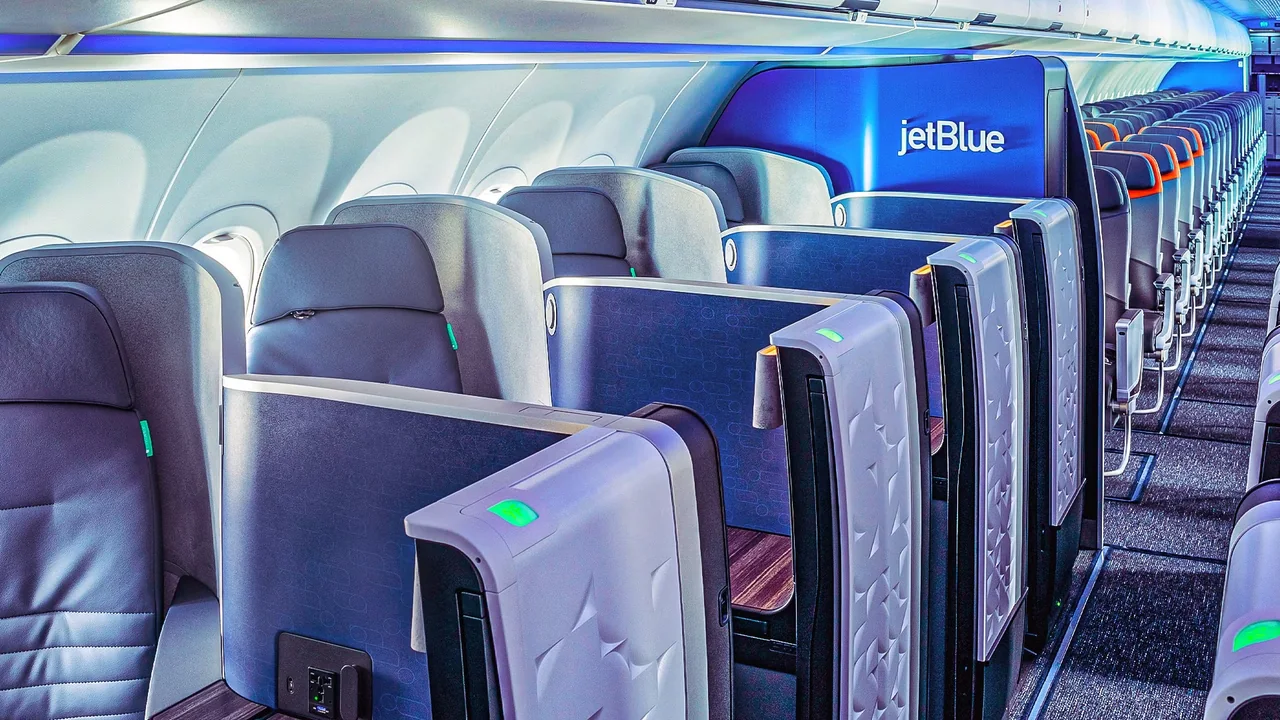
JetBlue Airways has successfully entered the high-yield European corridor with its Mint suites, generating significant revenue despite only a fraction of the cabin being occupied by premium passengers. The airline's strategy relies on the operational flexibility of its Airbus A321LR aircraft, which allows it to focus on the 24 passengers who are willing to pay for direct aisle access and lie-flat beds.
The traditional model for transatlantic flights relied exclusively on massive widebody jets that required hundreds of passengers to break even. However, with the introduction of single-aisle jets like the A321LR, airlines can now operate with significantly lower seat counts, reducing risk per departure and increasing profitability.
JetBlue's narrowbody revolution has seen a significant increase in single-aisle departures across the pond, growing by over 120% between 2019 and 2026. This shift towards more fuel-efficient aircraft is driven by the need to reduce operating costs and improve profitability.

The airline's JetForward turnaround plan aims to capitalize on this trend, with the A321LR playing a key role in its strategy. By focusing on high-yield travelers and maximizing revenue from premium cabins, JetBlue can maintain profitability even as it moderates its overall capacity.
The success of JetBlue's Mint cabin is not just about generating revenue, but also about creating a unique experience for passengers. The airline's focus on premium amenities and personalized service has resonated with customers, driving loyalty and retention.
As the airline industry continues to evolve, narrowbody economics will play an increasingly important role in shaping the future of air travel. With airlines like JetBlue leading the way, we can expect to see more efficient use of resources and greater focus on profitability.

The A321LR's operational flexibility is a key factor in JetBlue's success, allowing the airline to operate with lower seat counts and reduce risk per departure. This flexibility also enables the airline to offer more routes and frequencies, increasing its market share and competitiveness.
Overall, JetBlue's strategy is a testament to the power of innovation and adaptability in the airline industry. By embracing new technologies and business models, airlines can stay ahead of the curve and achieve long-term success.
The success of JetBlue's Mint cabin is driven by its ability to capture high-yield travelers willing to pay for premium amenities.