

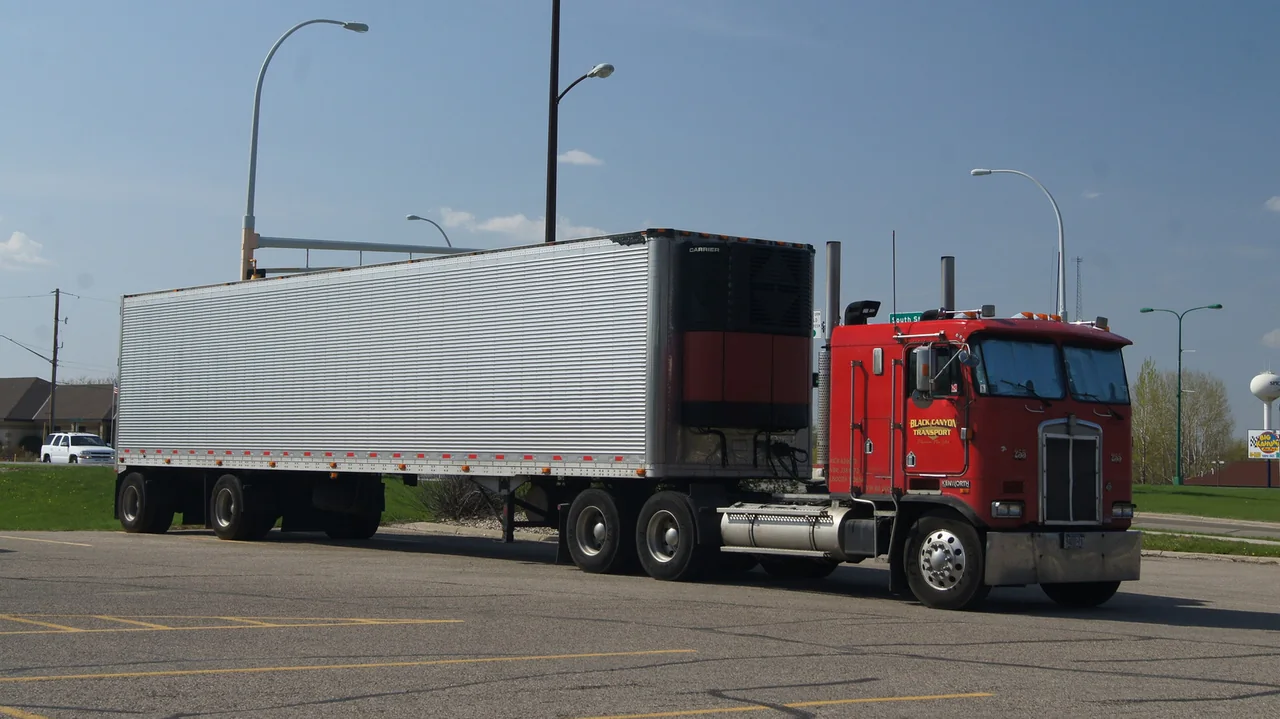
The distinctive look of cab-over semi-trucks has become a rare sight on American roads.
Their unique design, which features a shorter cab sitting directly over the engine and front axle, was once a common sight in the U.S.
However, with the passage of the Surface Transportation Assistance Act in 1982, the advantages of cab-overs began to dwindle.
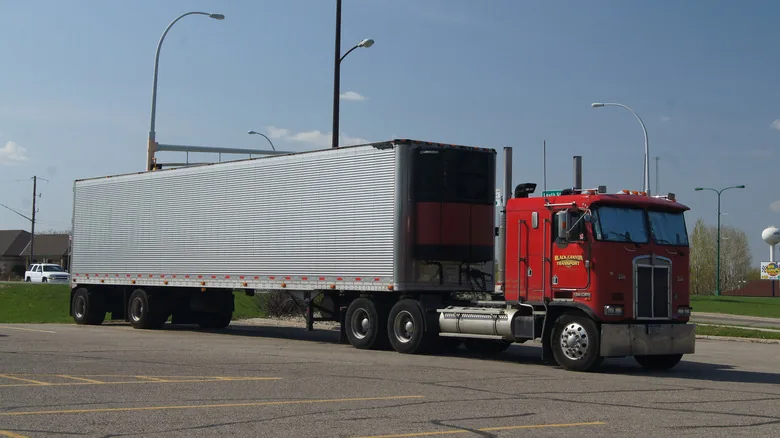
The legislation standardized trailer lengths, allowing conventional trucks to carry maximum freight while also offering more spacious cabs and better ride quality.
As a result, the demand for cab-over semi-trucks declined, and they eventually disappeared from American roads.
Despite this, cab-overs remain popular in Europe, Asia, and Australia, where road length restrictions and urban density demands tight-turning vehicles.

The Kenworth K200 is an example of a cabover model widely used in Australia but not sold in the U.S. market.
Cab-over semi-trucks have become legendary in Australian vehicular lore for their performance and durability.
Their decline was largely driven by regulatory changes, rather than a bad design.
As manufacturers move towards more aerodynamic and fuel-efficient designs, it's worth recalling the iconic cabover look that defined a generation of long-haul trucking.
The cabover's story is one of a tool that outlived its original purpose in the U.S. market.