

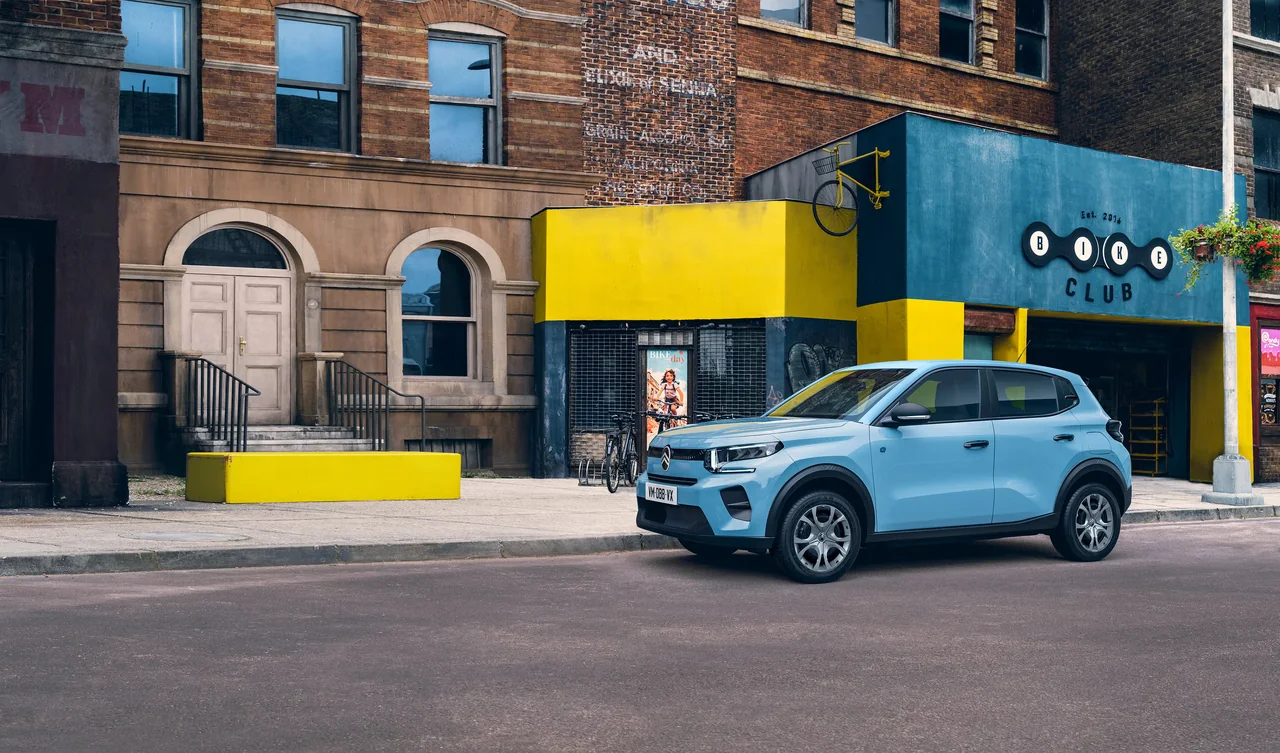
Stellantis is planning to launch a new affordable electric vehicle platform in Europe, aiming to revive the shrinking entry-level car segment. The company plans to start production of its new compact 'E-Car' at its Pomigliano d'Arco plant near Naples, Italy in 2028.
The fully electric city car is expected to be priced around €15,000, which translates to roughly $17,500. This price point is significantly lower than the current market offerings, making it an attractive option for budget-conscious consumers.
Stellantis CEO Antonio Filosa stated that demand for small, stylish vehicles built in Europe for European buyers is high but currently unmet. The new platform could lead to multiple model spin-offs across brands including Fiat, Opel, and Citroen.

The shift away from affordable cars has been driven by automakers' focus on higher-end models to boost profits. However, this trend has also been influenced by more generous financing terms, allowing consumers to purchase more expensive vehicles at lower monthly payments.
Stellantis has advocated for simplified urban EVs inspired by Japan's popular 'kei cars'. The European Commission has agreed that such vehicles could benefit urban mobility and lead to broader EV adoption among lower-income consumers.
The E-Car project is expected to have a positive impact on local manufacturing jobs in Italy, with labor unions welcoming the announcement. Full employment at the Pomigliano factory could be a potential outcome of this new production line.
While the launch of affordable electric cars may seem like a niche market, it has significant implications for the broader automotive industry. As consumers increasingly prioritize sustainability and affordability, automakers must adapt to meet these demands.
The revival of affordable electric cars could also lead to increased competition in the market, driving innovation and improvement in vehicle technology.
Ultimately, Stellantis' efforts to bring back affordable electric cars demonstrate a commitment to supporting sustainable mobility and meeting consumer demand for environmentally friendly vehicles.
The new platform could help boost European design and manufacturing jobs while supporting the adoption of full electric vehicles.