
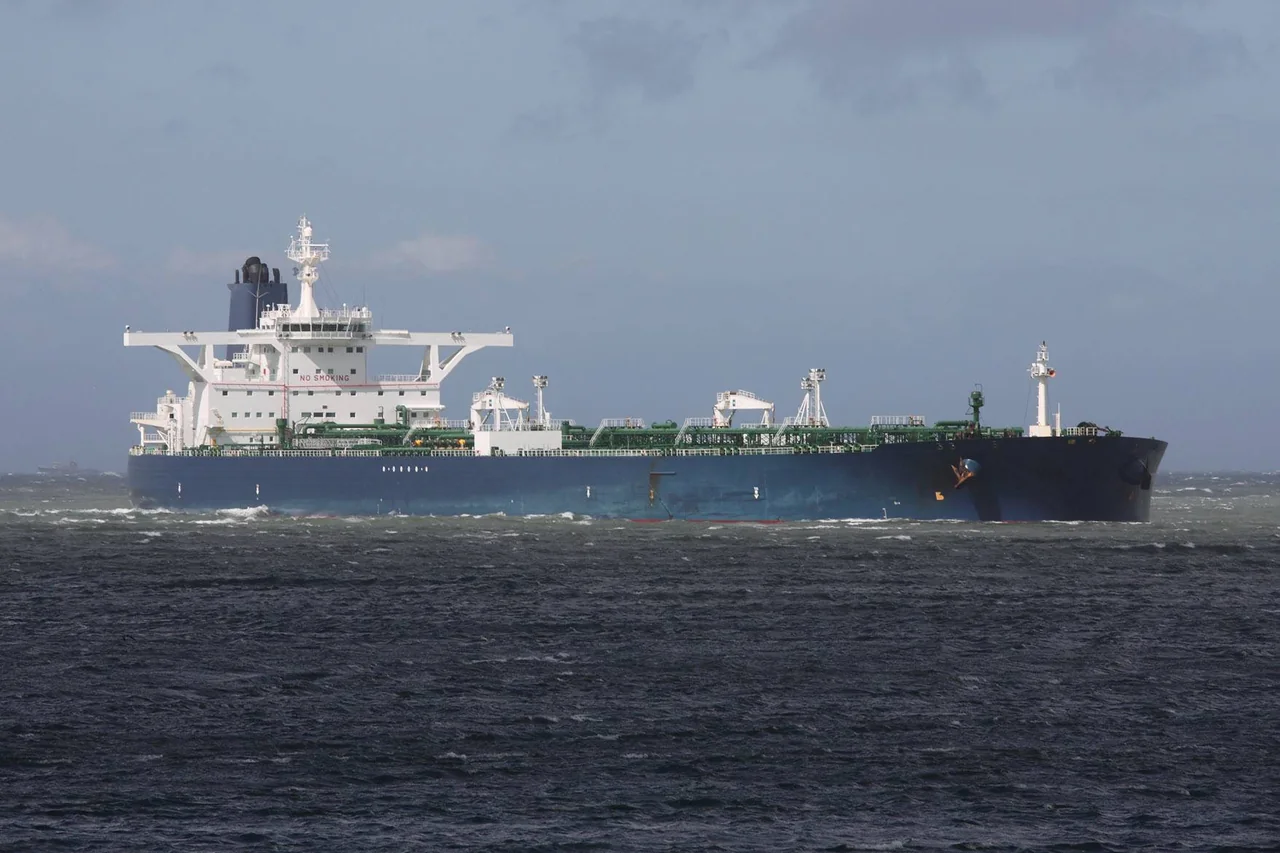
Two Chinese supertankers carrying 4 million barrels of Middle East crude oil exited the Strait of Hormuz on Wednesday after waiting in the Gulf for more than two months, shipping data on LSEG and Kpler showed. This marks a significant development in the region's energy dynamics, as it demonstrates China's increasing reliance on Iraqi crude imports.
Chinese-flagged very large crude carrier (VLCC) Yuan Gui Yang loaded 2 million barrels of Iraqi Basrah crude on February 27, a day before the U.S.-Israeli war on Iran started, the data showed. This coincidence highlights the strategic importance of the Strait of Hormuz as a critical chokepoint in global oil supply chains.
The vessel, chartered by Unipec, the trading arm of Asia's largest refiner Sinopec, is expected to reach Shuidong Port near Maoming city in southern Guangdong province, on June 4 to discharge its cargo. The recent surge in Chinese VLCC exports has raised concerns about the potential impact on global oil markets and prices.
Hong Kong-flagged VLCC Ocean Lily loaded 1 million barrels each of Qatari al-Shaheen and Iraqi Basrah crude between late February and early March, the data showed. This shipment is part of a larger trend in which Chinese state-owned companies are increasingly investing in global oil trading operations.
The vessel, owned by Chinese major Sinochem, is expected to reach Quanzhou Port in eastern Fujian province on June 5 to discharge its cargo. The recent exit of VLCCs from the Strait of Hormuz underscores China's growing energy security concerns and its efforts to diversify its oil imports.
Sinopec, Sinochem and Cosco Shipping, who own and manage Yuan Gui Yang, did not immediately respond to requests for comment. This lack of transparency highlights the need for greater regulatory oversight in the global oil trading industry.
Last week, VLCC Yuan Hua Hu exited the strait with 2 million barrels of Iraqi oil and headed for eastern China's Zhoushan Port. The recent surge in Chinese VLCC exports has raised concerns about the potential impact on global oil markets and prices.
The exit of these supertankers from the Strait of Hormuz marks a significant shift in the region's energy dynamics, as it demonstrates China's increasing reliance on Iraqi crude imports. This trend is likely to have far-reaching implications for global energy security and market trends.
As the world grapples with growing concerns about climate change and energy sustainability, the exit of these supertankers from the Strait of Hormuz highlights the need for greater transparency and regulatory oversight in the global oil trading industry.
The recent exit of VLCCs from the Strait of Hormuz highlights growing Chinese influence in global energy markets.