

DNV's Energy Transition Outlook Hydrogen to 2060 report highlights the limitations of hydrogen as a replacement for LNG in the energy market. Unlike LNG, which emerged to monetize geographically concentrated natural gas resources, hydrogen will be produced in all regions, leading to a more decentralized and localized approach.
The report notes that hydrogen systems are shaped primarily by local production, demand patterns, and balancing requirements rather than global resource scarcity. This means that the hydrogen trade is not expected to replace LNG as the backbone of gas supply for importing regions.
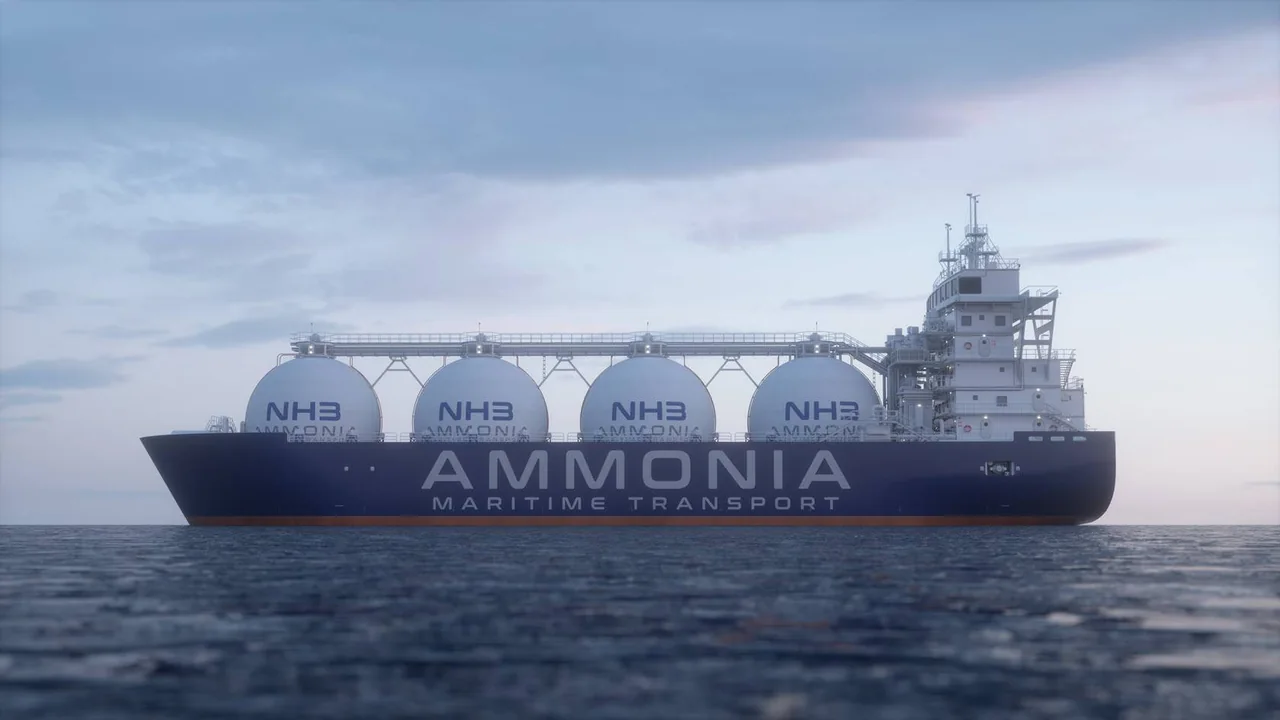
Instead, the hydrogen trade will generally complement domestic production and storage, with trade in hydrogen derivatives using existing infrastructure playing a key role. The use of hydrogen derivatives such as ammonia and methanol allows for the adaptation of established systems rather than building new ones.
The report forecasts international trade in hydrogen derivatives to expand robustly, with trade as ammonia expected to represent 43% of total trade in hydrogen equivalent. This is due to the significant cost advantages offered by existing shipping fleets, port infrastructure, storage facilities and handling standards.
However, the hydrogen trade faces significant challenges, including high capital costs and long lead times for dedicated infrastructure. The report notes that trade becomes viable only under specific conditions with large cost differences or constrained local supply.
The organization of trade in hydrogen derivatives is expected to be organized around regional market structures rather than global price arbitrage. Flows typically connect production hubs with nearby industrial or energy demand centres, often following existing maritime routes.
This approach allows for the efficient use of existing infrastructure and reduces the need for new investments. As a result, the hydrogen trade is likely to follow a similar model to LNG, with regional markets playing a key role in shaping the industry.
The report's findings highlight the importance of considering the specific conditions under which the hydrogen trade will operate. By understanding these conditions, policymakers and industry leaders can better navigate the challenges and opportunities presented by this emerging market.
Ultimately, the success of the hydrogen trade will depend on its ability to overcome the significant technical and economic hurdles that currently exist. With careful planning and coordination, however, it is possible for the hydrogen trade to play a major role in reducing greenhouse gas emissions and meeting energy demands.
As the world continues to transition towards a low-carbon economy, the hydrogen trade will likely play an increasingly important role. By understanding the limitations and opportunities of this emerging market, we can work towards creating a more sustainable future for all.
paragraphs
The hydrogen trade faces significant challenges, including high capital costs and long lead times for dedicated infrastructure.