


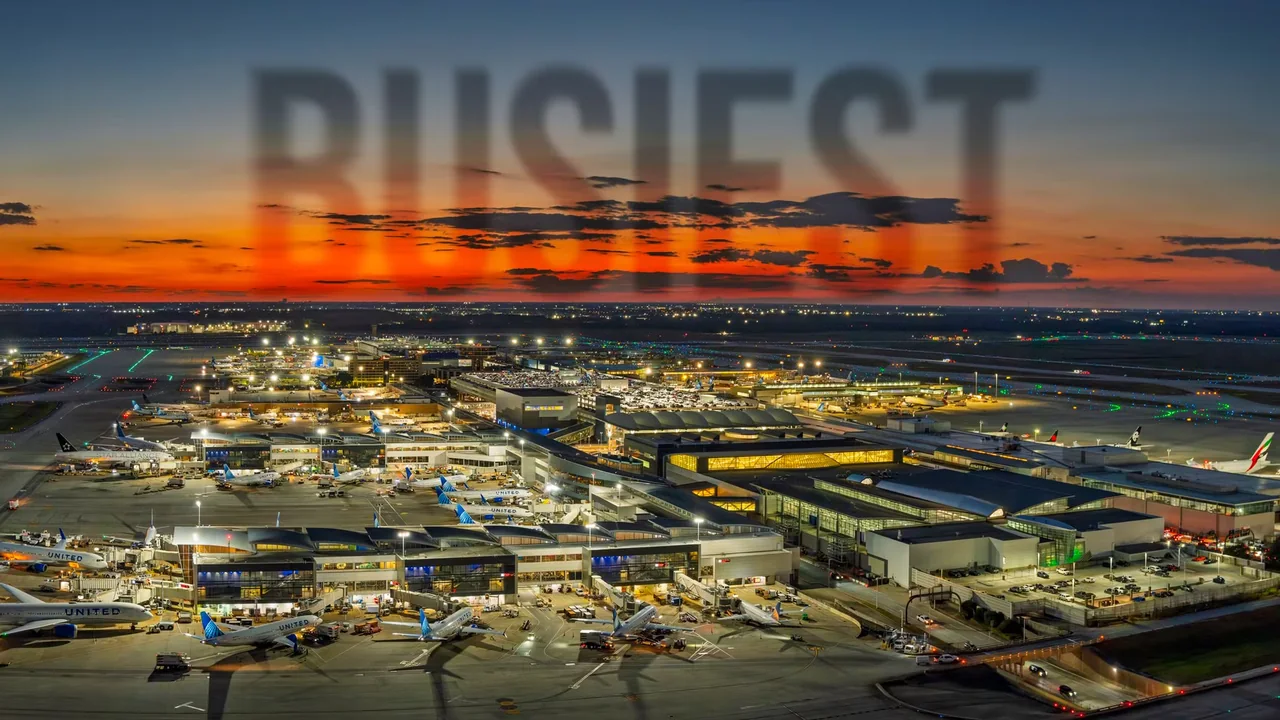
The US aviation industry has seen significant growth in recent years, driven by increasing demand for travel. As a result, the country's airports have become increasingly important gateways for international passengers.
These seven primary gateways act as the vital ports where cultures, commerce, and millions of travelers converge every single day. They are the key hubs that facilitate the flow of people, goods, and services across the globe.
The ranking of these airports by international passenger traffic is based on 2025 data, which highlights their relative importance in terms of global connectivity.

George Bush Intercontinental Airport in Houston takes the top spot with 12.4 million international passengers, followed closely by Chicago O'Hare International Airport with 14.8 million passengers.
This ranking underscores the significance of these airports as major connectors between the US and other countries around the world.
The growth of air travel has led to an increase in demand for airport services, including check-in, baggage handling, and security screening.
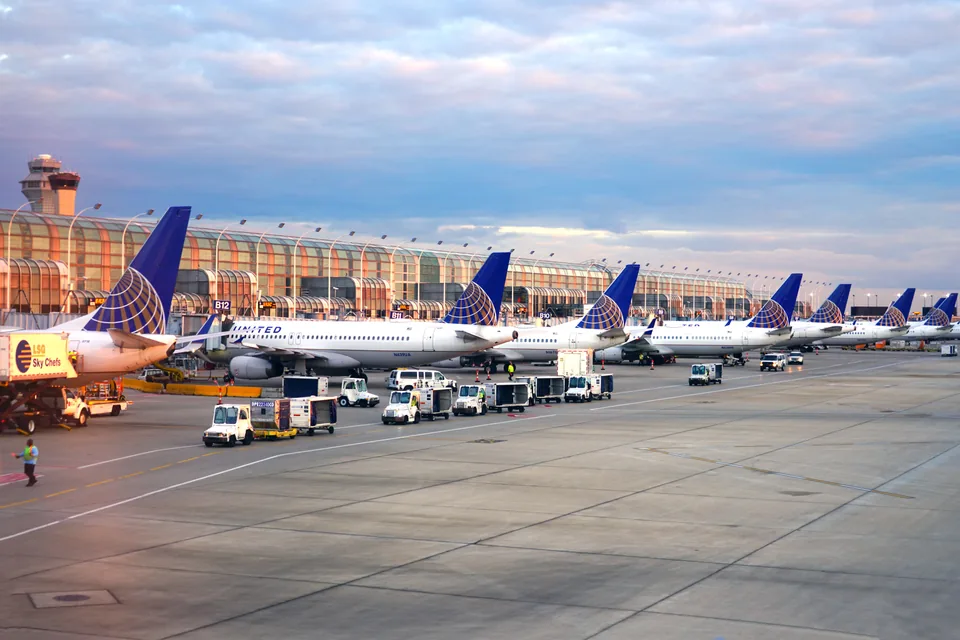
As a result, airports are investing heavily in modernizing their facilities and improving efficiency to meet this growing demand.
The expansion of route networks and the introduction of new technologies are also driving the growth of air travel, making it easier for people to connect with others around the world.
By understanding which airports are the busiest and most important, we can gain a better appreciation for the role they play in facilitating global connectivity.

The US is home to some of the busiest and most complex air traffic systems in the world, with major hubs like O'Hare and IAH serving as critical connectors for international travelers.