

Southwest Airlines' new boarding process has created operational problems it did not anticipate,. The change, which replaced open seating with assigned seating and eight boarding groups, was intended to improve customer experience but has had unintended consequences.
The airline's business model is built around rapid turnarounds, which allowed for efficient use of aircraft across its fleet. By introducing a new boarding system, Southwest Airlines aimed to minimize delays and maximize aircraft utilization. However, the operational impact of this change has been significant, particularly on short-haul flights where every minute counts.
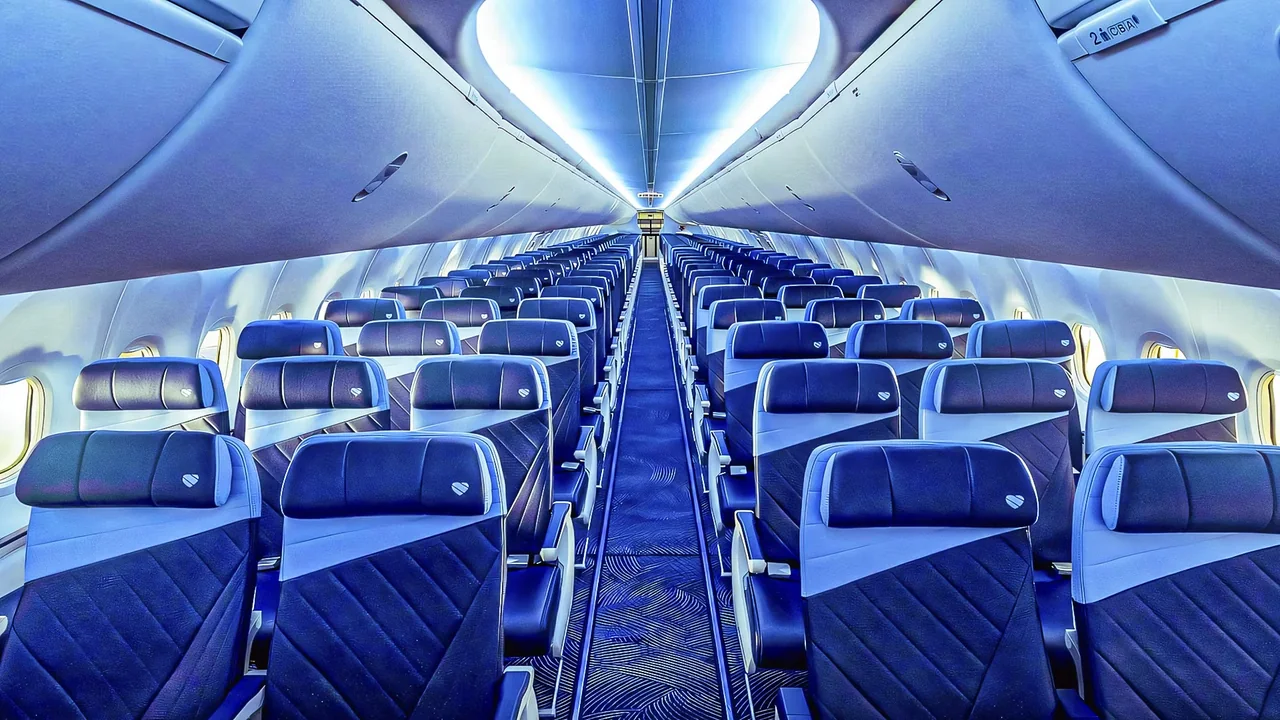
The assigned seating system requires passengers to search for specific rows and overhead locker space, which can lead to delays and bottlenecks in the boarding process. This is particularly problematic on narrowbody aircraft like the Boeing 737, where only one passenger can move through the aisle at a time.

Southwest Airlines' network relies heavily on short-haul flights, which means that even small delays can have a significant impact on overall operations. The airline's ability to schedule more flights per day is critical to its business model, and any disruption to this process can be costly.
The new boarding system has also led to increased passenger frustration, with many complaining about the need to search for assigned rows and overhead space. While some passengers may appreciate the added convenience of knowing their seat assignment in advance, others have expressed disappointment at the loss of flexibility in the old open seating system.
s point out that Southwest Airlines' decision to abandon open seating was likely driven by a desire to improve customer experience and increase revenue through ancillary sales. However, the operational impact of this change has been significant, and the airline will need to carefully monitor its boarding process to minimize delays and maximize efficiency.

The assigned seating system is not without its benefits, however. By providing passengers with more control over their seat assignment, Southwest Airlines may be able to increase customer satisfaction and loyalty. Nevertheless, the operational challenges posed by this change must be addressed in order to ensure the long-term success of the airline.
As Southwest Airlines continues to navigate the complexities of its new boarding system, it is clear that the airline's business model relies heavily on rapid turnarounds to maximize aircraft utilization. Any disruption to this process can have significant operational and financial implications for the airline.
The future of Southwest Airlines' boarding process remains uncertain, but one thing is clear: the airline must carefully balance the need for efficiency with the needs of its passengers in order to maintain its position as a leader in the US air transport industry.

The airline's business model relies heavily on rapid turnarounds to maximize aircraft utilization.