
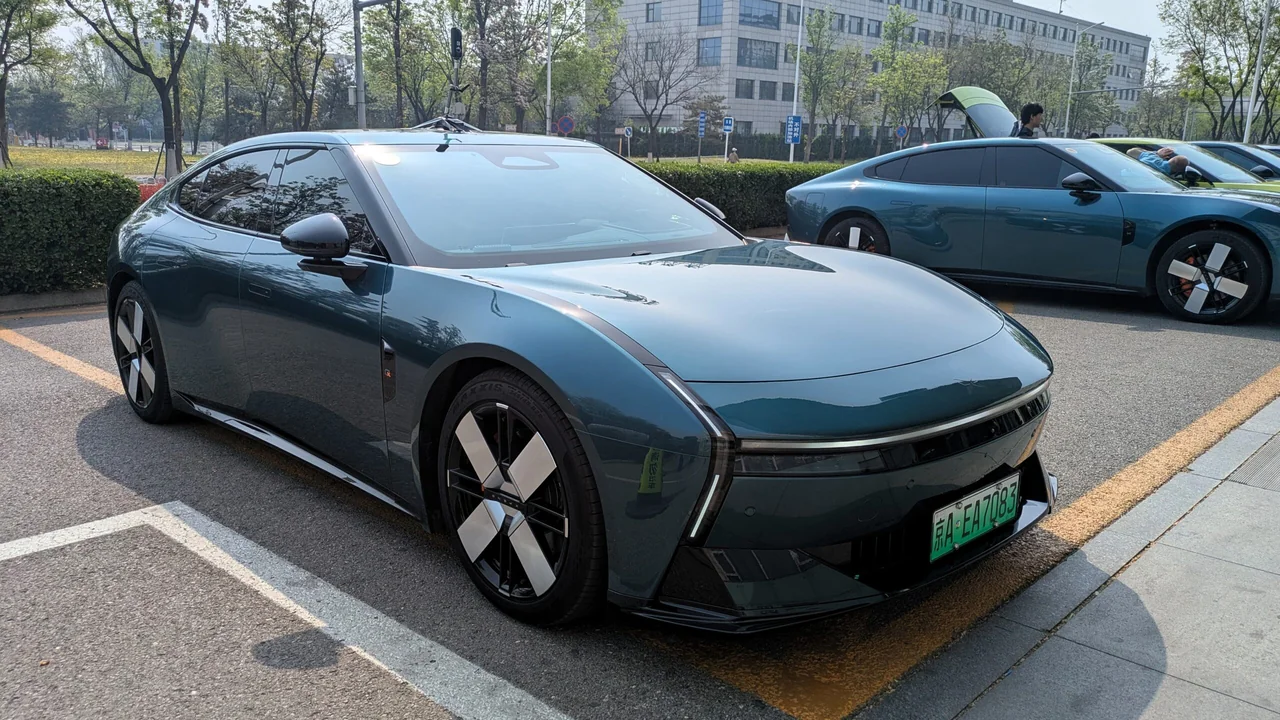
Autonomous driving technology has made significant strides in recent years, and XPENG's VLA 2.0 system is at the forefront of this innovation. By focusing on human-like behavior, the system aims to provide a more intuitive and engaging experience for drivers. The company's emphasis on human intelligence within its Artificial Intelligence is particularly noteworthy, as it reflects a deeper understanding of how humans interact with their environment.
The VLA 2.0 system operates on a 'what you see is what you get' basis, allowing for stronger generalization capabilities across all scenarios on a global scale. This approach enables the software to be utilized in various contexts, making it a more versatile solution compared to other autonomous driving systems.
Beyond the technical details, XPENG highlights several core advantages of VLA 2.0, including reduced loss, faster response times, human-like performance, and intelligence emergence. These benefits are crucial for ensuring a safe and reliable autonomous driving experience.
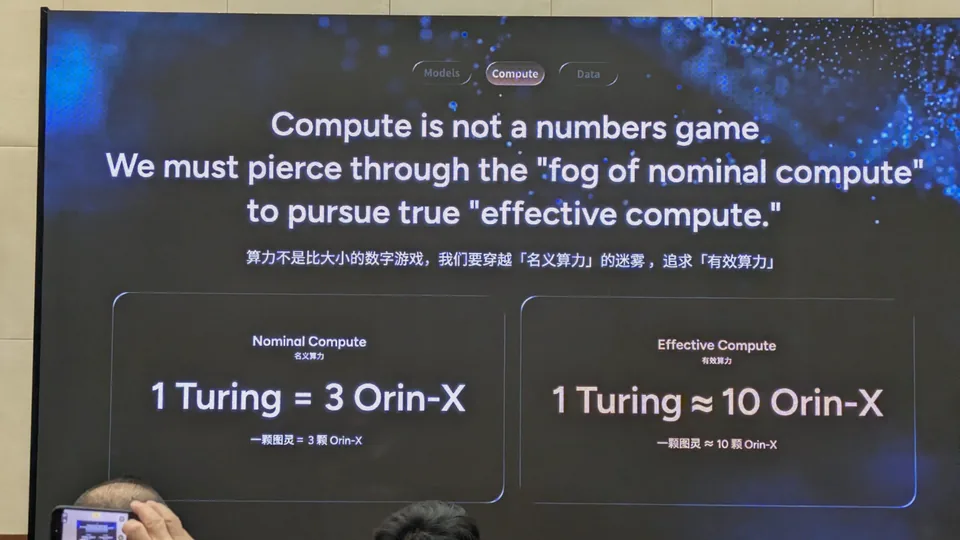
The new GX features up to 3000 TOPS on its in-house developed Turing AI chips, providing more computing power than competing systems. This increased capacity enables the car to adapt better to local conditions and drivers, resulting in a smoother and more responsive driving experience.
XPENG's Turing AI chip integrates dual proprietary NPUs and domain-specific architectures (DSA) to achieve integrated hardware-software R&D. This joint optimization boosts model execution efficiency by 12 times, allowing for more efficient processing of information onboard.
The architecture also achieves significant improvements in neural network computing speed, perception module computing speed, and information processing capacity. These enhancements enable the VLA 2.0 system to interact with the physical world in a more human-like manner.
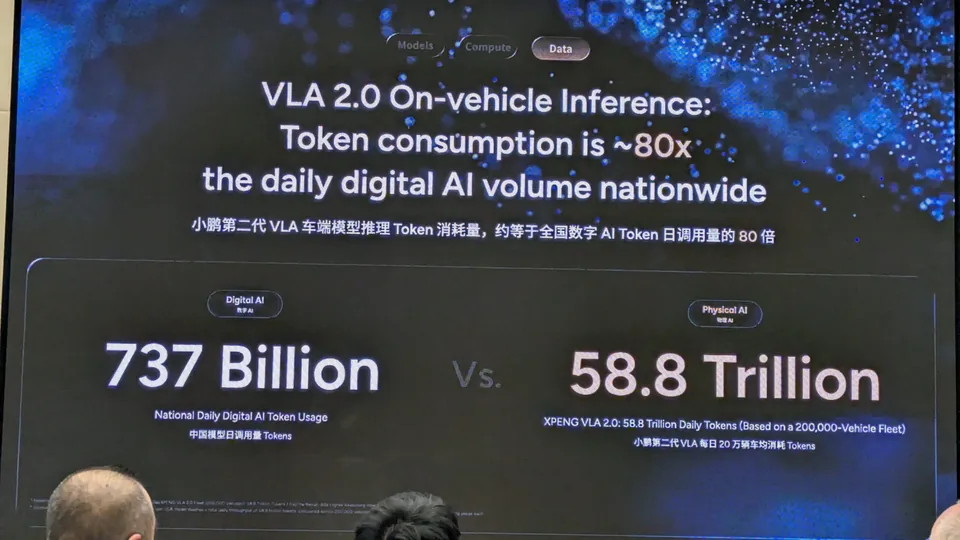
Having increased computing power means that more information can be processed onboard without consulting external sources. This allows for a more seamless and intuitive interaction between the car and its environment.
The focus on human-like behavior and intelligence within the AI is crucial for creating an autonomous driving system that feels natural and responsive. By emulating human decision-making, XPENG's VLA 2.0 system can provide a more engaging experience for drivers.
Ultimately, the success of autonomous driving technology depends on its ability to replicate human-like behavior and interaction with the environment. XPENG's efforts in this area are noteworthy, as they aim to create a system that is both safe and enjoyable to use.
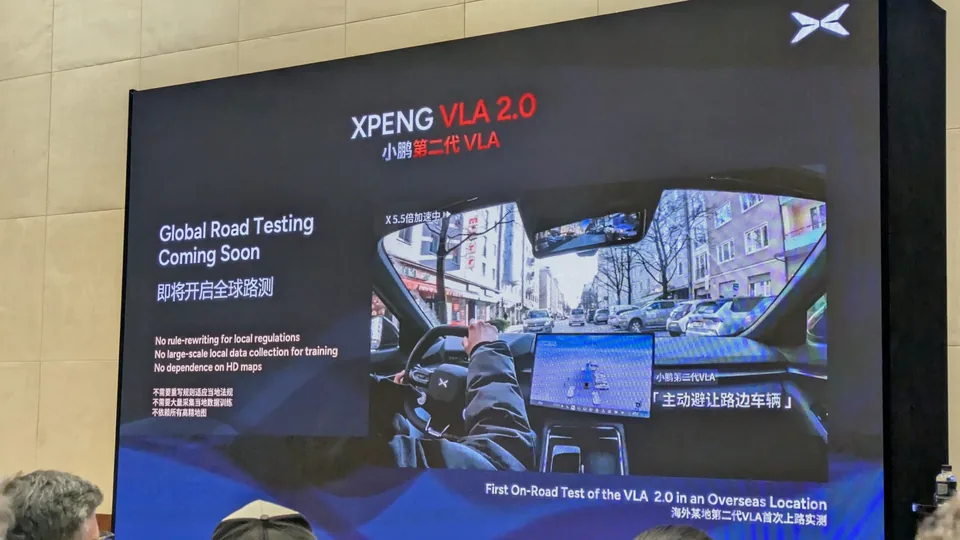
The integration of Turing AI chips provides a significant advantage over competing systems, enabling faster processing and more efficient information management. This technology has the potential to revolutionize the autonomous driving industry, making it more accessible and user-friendly for consumers.
The integration of Turing AI chips provides a significant advantage over competing systems.