
The U.S. President has played down hopes of an imminent breakthrough in the three-month-old war between the two nations, stating that his representatives should not rush into any deal with Iran.
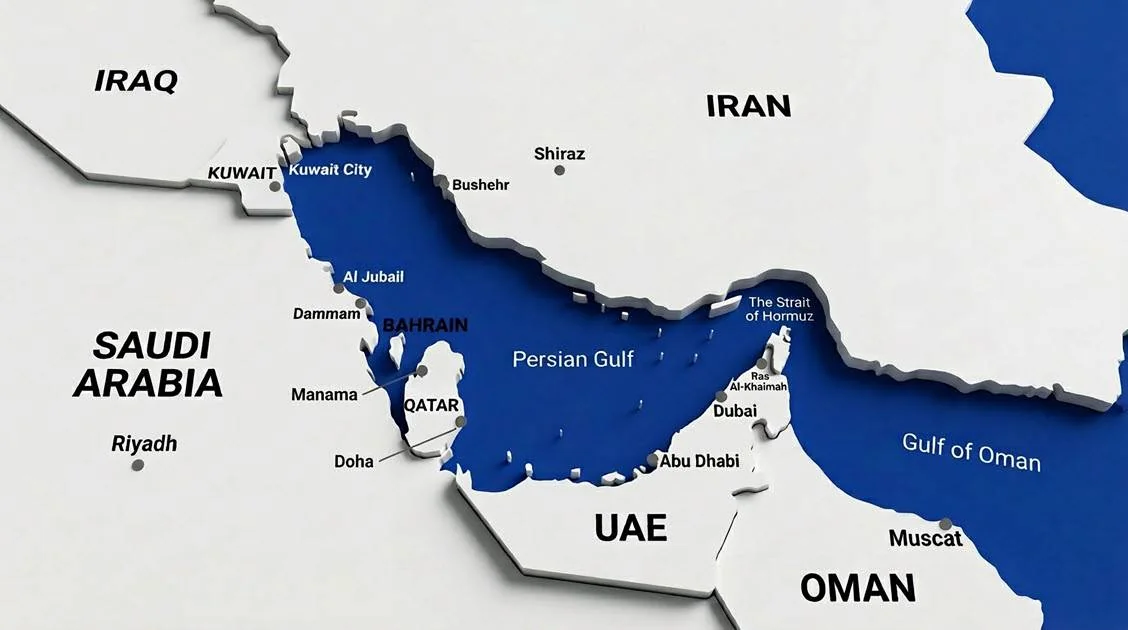
The Trump administration has maintained a naval blockade on Iranian ships in the Strait of Hormuz, which would remain in full force and effect until an agreement is reached, certified, and signed.
Despite the ongoing tensions, there have been reports of progress in the negotiations, including Washington's announcement that it had 'largely negotiated' a memorandum of understanding on a peace deal that would reopen the Strait of Hormuz.
The two sides remain at odds over several difficult issues, such as Iran's nuclear ambitions and its demands for the lifting of sanctions and the release of tens of billions of dollars of Iranian oil revenues frozen in foreign banks.
A senior Trump administration official has outlined what he said were the latest contours of what was being negotiated, including Iran's agreement to open the Strait of Hormuz in exchange for the United States lifting its naval blockade.
The U.S. official also stated that Washington envisioned first re-opening the strait and lifting the U.S. naval blockade, with negotiating the details of the nuclear measures taking more time.
However, there is no immediate confirmation from Iran on what an 'in principle' agreement means, and the U.S. official pushed back on suggestions that Iran has not accepted disposing of its stockpiled enriched uranium.
The proposed framework gives negotiators 60 days to reach a final deal, with Iranian sources suggesting that 'feasible formulas' could be found to resolve the dispute over its highly enriched uranium stockpile under the supervision of the U.N. nuclear watchdog.
Overall, the cautious approach by the U.S. administration may be due to concerns about Iran's nuclear program and its potential impact on global security, highlighting the complexity of reaching a deal with the country.
The U.S. administration's cautious approach may be due to concerns about Iran's nuclear program and its potential impact on global security.