
Airlines' modern operations are built around sophisticated predictive systems that identify potential disruptions long before they become apparent to passengers. These systems analyze vast amounts of data, including weather forecasts, air traffic congestion, and aircraft performance, to predict the likelihood of delays or cancellations. By identifying potential issues early, airlines can take proactive measures to mitigate their impact and minimize the disruption to passengers.
The commercial aviation system is highly dependent on precision timing, particularly when it comes to maximizing aircraft utilization and maintaining a smooth flow of flights throughout the day. Every aspect of flight operations, from crew assignments to fueling windows, is tracked in real-time using interconnected operational software. This means that airlines rarely discover delays at boarding time, as the situation has already been anticipated by the operations center hours earlier.
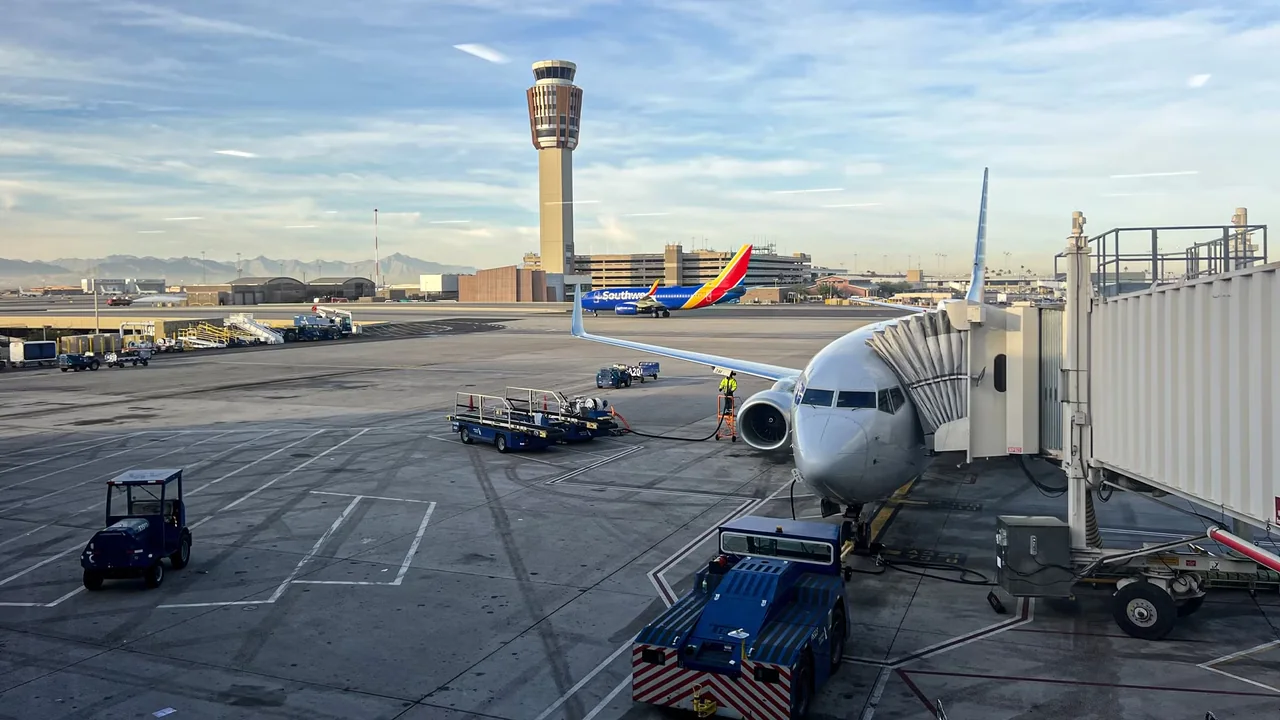
The status of the inbound aircraft operating the next leg is the single biggest predictor of whether a flight will depart late. Airlines track aircraft by tail number rather than flight number, as the same aircraft may operate multiple flights across several cities in a single day. For example, an Airbus A321neo operated by Delta Air Lines was tracked to be running behind schedule earlier in its rotation, and this delay continued to affect the rest of the day unless the airline could recover time elsewhere in the schedule.

When an inbound aircraft starts running behind schedule, it can have a ripple effect throughout the entire network. Passengers who are waiting at the gate for their flight may not realize that the delay is due to issues with the previous flight, but they will likely notice the impact on their own travel plans. Experienced passengers often pay more attention to the inbound aircraft than to the departure board itself, as they understand the importance of anticipating potential delays.
The use of flight tracking data has made it easier for airlines to monitor the status of their aircraft in real-time. However, this also means that passengers may see outdated information on public systems, such as departure boards or airline websites. Internally, operations teams are already recalculating gate usage, turnaround timing, and revised departure estimates once they detect a delay.
Airlines' reliance on technology has raised concerns about over-reliance on automation. While predictive systems can help identify potential disruptions early, they may not always be able to prevent delays entirely. Passengers should remain vigilant and monitor their flight status closely, especially if there are any signs of disruption in the inbound aircraft's schedule.

The airline industry is constantly evolving, with new technologies and strategies being developed all the time. As airlines continue to invest in predictive systems and operational software, they will be better equipped to anticipate and mitigate potential delays. However, it remains crucial for passengers to stay informed and adapt to changing circumstances.
In conclusion, airlines' ability to anticipate flight delays before they happen is a testament to their commitment to innovation and customer satisfaction. By leveraging advanced technologies and data analytics, airlines can minimize the impact of disruptions on passengers and ensure that flights depart on schedule. However, it is essential for passengers to remain aware of potential issues and plan accordingly.
As the airline industry continues to evolve, one thing is clear: passengers will need to be more proactive in monitoring their flight status and adapting to changing circumstances. By staying informed and vigilant, passengers can minimize the impact of delays and ensure a smoother travel experience.

The airline industry's reliance on technology has raised concerns about over-reliance on automation.