

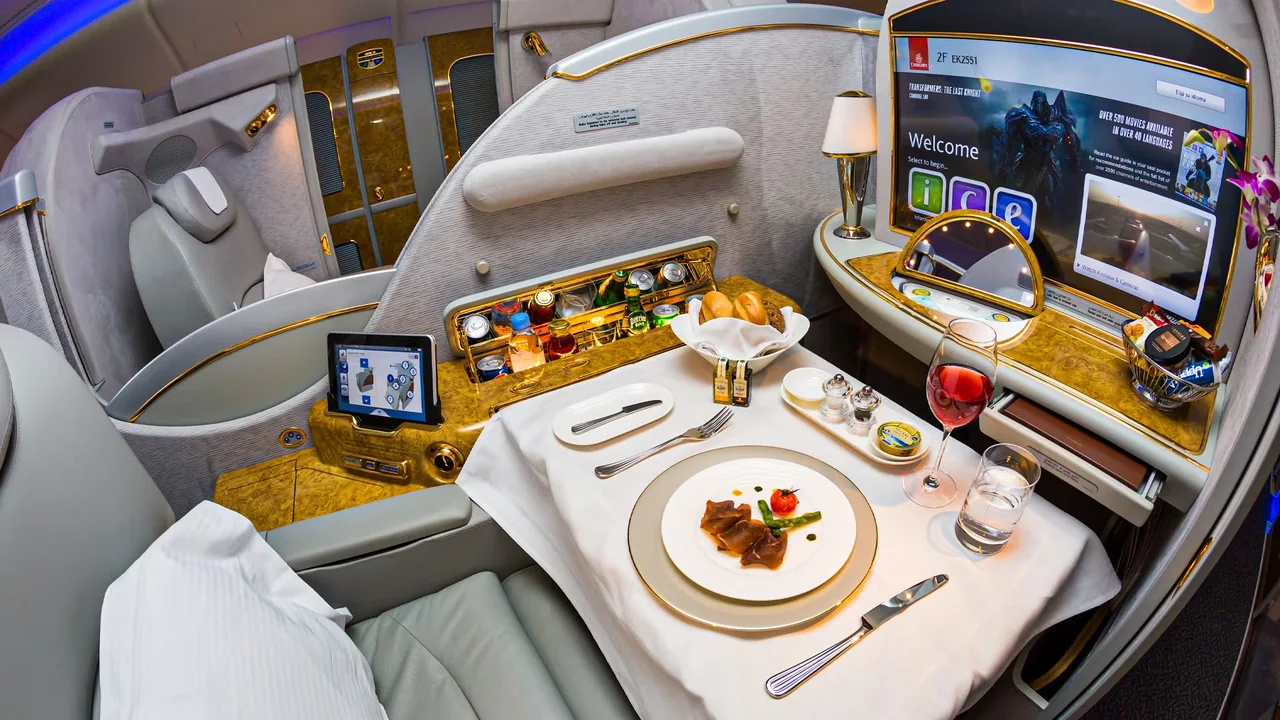
Emirates first class is often considered one of the most extravagant products in commercial aviation, with private suites, unlimited caviar service, and luxury amenity kits. The onboard experience is built around these luxurious touches, creating an impression of an enormously expensive operation centered on each passenger.
The presentation creates a sense of opulence that justifies the high prices, but behind the spectacle lies a more nuanced economics story. Many of the most recognizable luxury touches carry surprisingly modest wholesale costs for the airline itself, even when their retail value appears staggering to passengers.
From catering and alcohol to pajamas and skincare products, Emirates benefits from supplier pricing, scale, and branding partnerships that dramatically reduce what it actually spends per first class seat. This reveals how modern airline luxury is built less on raw expense and more on carefully engineered perception.

The airline's pricing strategy is designed to balance the perceived value of its product with the actual cost of delivering it. By offering flexible upgrade options through its loyalty program, Emirates can fill unsold premium seats while preserving the exclusivity of first class.
Despite the high prices, relatively few passengers actually pay full retail pricing for Emirates first class. The airline's strategy benefits both customers and the company by creating a sense of scarcity around the product, which helps to maintain its luxury appeal.
The difference between retail value and actual airline cost is often misunderstood in the context of luxury air travel. Emirates' approach highlights the importance of perception in shaping consumer behavior and willingness to pay for premium experiences.

By leveraging powerful luxury branding outside aviation, Emirates can create a sense of exclusivity around its first class product that justifies the high prices. This strategy also helps the airline to differentiate itself from competitors in the market.
The use of prestige Champagne and rare cognac is another example of how Emirates uses luxury products to enhance the passenger experience. These items carry significant retail value, but their wholesale cost is likely much lower due to supplier pricing and partnerships.
Ultimately, Emirates' approach to luxury air travel challenges traditional notions of what it means to offer a premium product. By balancing perceived value with actual cost, the airline has created a unique selling proposition that sets it apart from competitors in the market.

The airline's pricing strategy benefits both customers and the company by filling unsold premium seats.


