
Ford has been steadily closing the gap in the GT3 category, which marks its 20th year. Despite being late to the party, Ford's aggressive worldwide program has made up for lost ground. The latest evidence is the first GTD Pro victory by the EVO version of the Mustang at Laguna Seca.
The win was a significant milestone in the IMSA WeatherTech Championship, where the Mustang outpaced its competitors on both pace and strategy. The next challenge is defending last year's victory in Detroit against Corvette Racing.
Neither side in this internecine racing war likes losing to the other in front of the brass, let alone the rank-and-file. The Chevrolet Detroit Sports Car Classic has become a battle between two big teams, with Ford and Corvette Racing vying for supremacy.

The 100-minute race will feature 10 GTD Pro cars joining 11 GTP entries. A brace of Lexus RC F GT3s will also take part, adding to the competitiveness of the event.
This year's Detroit race is a significant test of the Mustang's capabilities, with Corvette Racing looking to relegate Ford to second place once again.
The Mustang's growth can be attributed to its production-based sales model, which supports racing budgets and helps underwrite development costs.

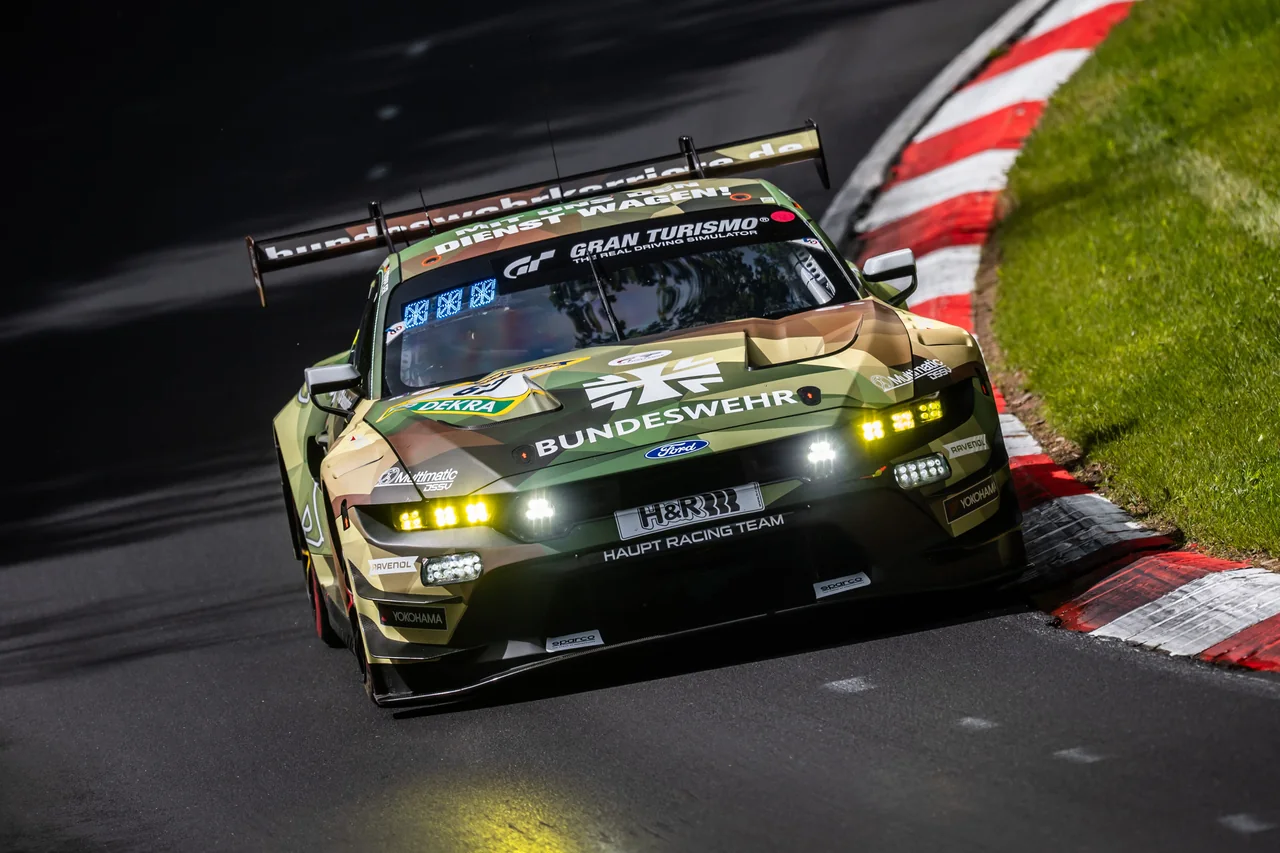
Ford's approach has been successful in events like the Nürburgring 24 and the 24 Hours of Spa, as well as in IMSA and the World Endurance Championship. The Mustang GT3 EVO represents what's been learned from these experiences.
The sales model that supports racing budgets is a key factor in the Mustang's success, allowing it to compete with established teams like Corvette Racing.
Ford's continued investment in the GT3 category will likely keep the Mustang competitive in the coming years.
The Mustang's growth is a testament to the effectiveness of Balance of Performance and the sales model that supports racing budgets.