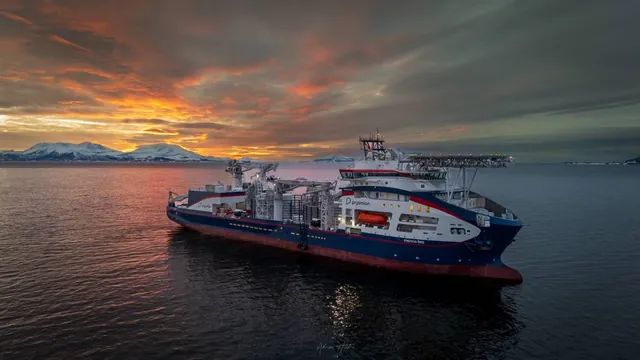
Another tanker carrying liquefied natural gas from Abu Dhabi National Oil Co. has exited the Strait of Hormuz, adding to a recent uptick in energy flows through the vital waterway.
This shipment is part of a small flurry of energy flows transiting through Hormuz, with at least two non-Iranian oil supertankers exiting the Persian Gulf.
The strait has remained virtually shut to LNG traffic since the war in Iran began in late February — choking about a fifth of global supply of the fuel.
Despite this, Adnoc has exported three other shipments from the Persian Gulf on tankers that went dark when traversing the waterway.
These transits represent only a fraction of pre-war volumes, when roughly three tankers carrying the super-chilled fuel exited Hormuz on a daily basis, mostly carrying fuel from bigger exporter Qatar.
The recent increase in energy flows through the Hormuz Strait is a positive sign for global LNG markets, indicating a potential return to normalcy after the war.
However, the limited pre-war volumes and restricted access to the strait highlight the ongoing challenges faced by the industry.
As the situation in the Middle East continues to evolve, it will be crucial to monitor energy flows through Hormuz and their impact on global markets.
The recent shipment of LNG from Adnoc's Das Island export plant to India marks an important milestone in the recovery of global energy supplies.
The recent increase in energy flows through the Hormuz Strait is a positive sign for global LNG markets.