

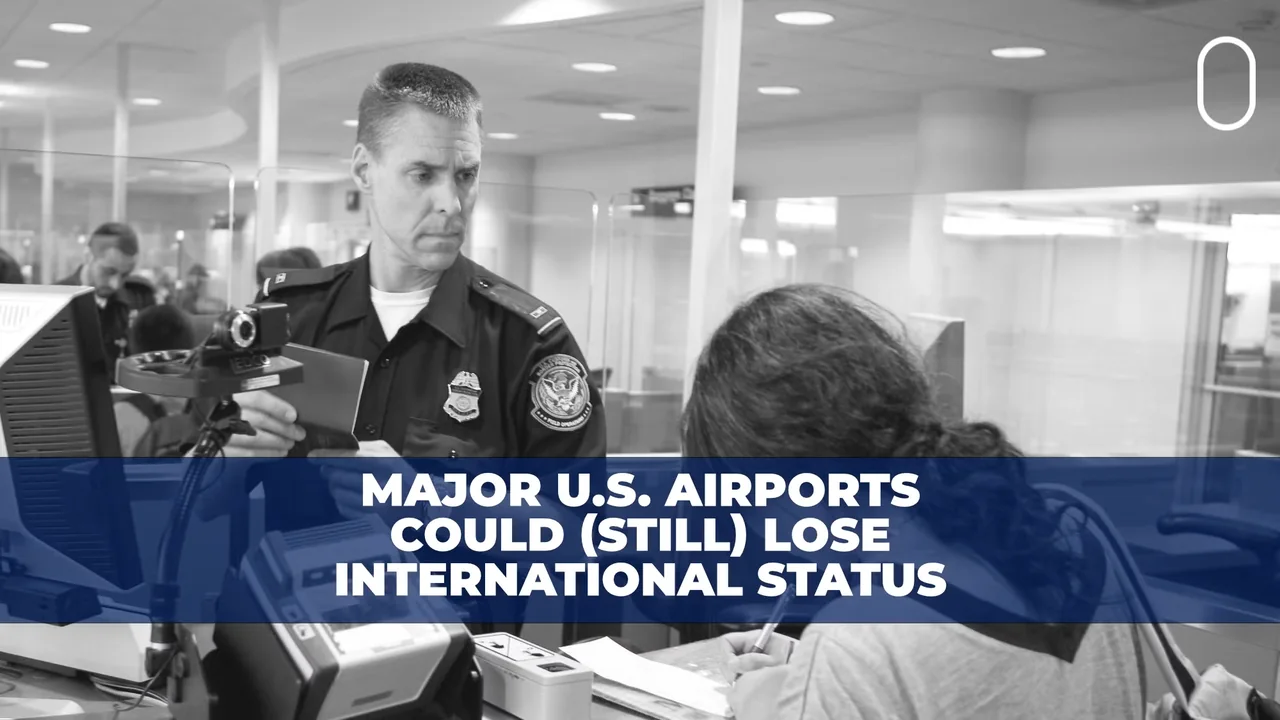
The US government is considering withdrawing Customs and Border Patrol (CBP) officers from several international airports in what are known as 'sanctuary cities.' This plan has raised concerns among lawmakers, business leaders, and the general public. The decision to withdraw CBP officers would likely have far-reaching consequences for the country's aviation industry. It could lead to a significant increase in wait times for travelers and a decrease in the overall security of airports. Additionally, the withdrawal of CBP officers could impact the country's ability to enforce trade regulations and prevent smuggling. The US economy relies heavily on international trade, making this move a serious concern.
The airports that are currently under consideration for the withdrawal of CBP officers include New York JFK, Los Angeles, San Francisco, Chicago O'Hare, Dallas Love Field, Houston Intercontinental, Boston Logan, Seattle-Tacoma, Miami International, and Washington Dulles. These airports are among the busiest in the country and handle a significant volume of international flights every day. The withdrawal of CBP officers from these airports would likely have a major impact on the airline industry, with many airlines already facing challenges due to rising fuel costs and increased regulatory burdens.
The US government has stated that its primary concern is the security of the country's borders, but critics argue that this move would be counterproductive and create more problems than it solves. The withdrawal of CBP officers could lead to a decrease in airport security, making it easier for terrorists and smugglers to enter the country. Furthermore, it could also impact the US government's ability to enforce trade regulations, leading to an increase in smuggling and contraband entering the country.
Lawmakers have expressed concerns about the potential consequences of this move, with some arguing that it would be a major blow to the country's economy. The withdrawal of CBP officers from these airports could lead to increased wait times for travelers, decreased security, and a negative impact on the overall reputation of the US as a safe and secure destination.
The airline industry is already facing significant challenges due to rising fuel costs, increased regulatory burdens, and changing consumer preferences. The withdrawal of CBP officers from these airports would likely exacerbate these challenges, making it even more difficult for airlines to operate profitably. Additionally, the impact on air travel security could be severe, with many travelers potentially being denied boarding or facing significant delays.
The US government has not yet announced a specific timeline for when the withdrawal of CBP officers from these airports will take place. However, officials have stated that they are working closely with airlines and other stakeholders to minimize disruptions to air travel. The move is seen as a response to growing tensions between the US government and cities that have implemented sanctuary policies, but it raises significant questions about the country's commitment to protecting its borders.
The potential consequences of this move extend beyond the airports themselves, impacting the entire aviation industry. Airlines, airports, and other stakeholders will need to adapt quickly to any changes in security protocols or regulations. The impact on air travel security could be severe, with many travelers potentially being denied boarding or facing significant delays.
Ultimately, the decision to withdraw CBP officers from these airports will depend on a range of factors, including the US government's priorities and the potential consequences for the country's economy and national security. As the situation continues to unfold, one thing is clear: the aviation industry is bracing itself for a major shake-up.
The move could have significant implications for global trade and travel.