

The global electric vehicle (EV) market is rapidly expanding, and major automakers are racing to develop more efficient and cost-effective EV batteries. In this context, Honda has taken a significant step forward by investing in Nexeon, a UK-based firm that specializes in silicon-carbon EV batteries. This move not only strengthens Honda's position in the EV battery market but also underscores its commitment to innovation and sustainability.
The investment is part of Honda's long-term plan to invest $10 billion per year in electrification efforts, with support from Xcelerator Ventures. This strategic partnership will enable Honda to tap into Nexeon's expertise in developing blended silicon-carbon batteries, which have the potential to significantly enhance EV battery performance and range.
Honda has already established regional supply chains for lithium-ion EV batteries, including partnerships with General Motors' Ultium line in North America, CATL in China, and Envision AESC in Japan. However, the company is now looking to diversify its battery portfolio by investing in new technologies like silicon-carbon batteries.
The partnership with Nexeon marks a significant milestone in Honda's all-solid-state battery program, which aims to develop more efficient and sustainable EV batteries. The company has already invested $43 billion yen in this demonstration line, demonstrating its commitment to innovation and investment in EV technology.
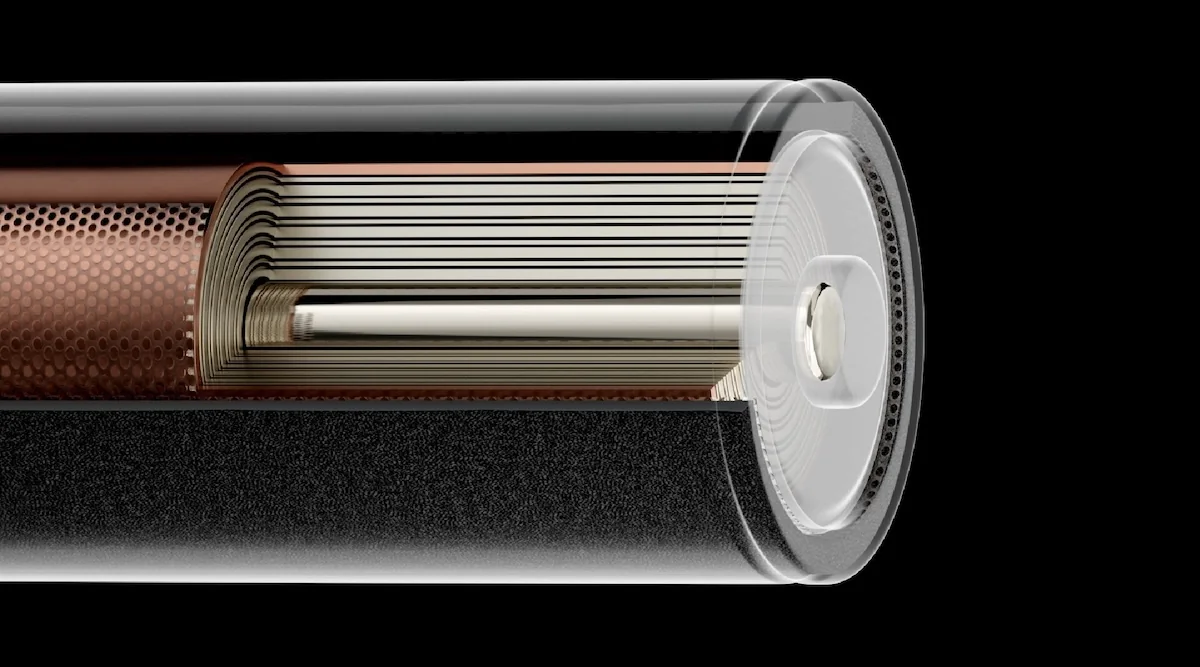
Nexeon's silicon-carbon batteries have garnered attention for their potential to boost battery performance by up to 10 times compared to traditional graphite-based anodes. However, the company has also acknowledged that there are challenges associated with increasing the percentage of silicon in anodes, including issues related to expansion characteristics.
The investment in Nexeon is expected to enable the company to overcome these challenges and develop more efficient silicon-carbon batteries. With Honda's support, Nexeon will be able to accelerate its development efforts and bring these innovative batteries to market sooner.
Honda's decision to invest in Nexeon reflects its strategic vision for the EV battery market. By partnering with startups like Nexeon, the company is able to tap into new technologies and expertise that can help drive innovation and growth in the industry.
The partnership between Honda and Nexeon is also significant because it highlights the importance of collaboration and inter-industry alliances in driving EV technology advancements. As the EV market continues to evolve, companies like Honda and Nexeon will need to work together to develop more efficient and sustainable batteries.
With this investment, Honda is positioning itself for long-term success in the EV battery market. By supporting innovative startups like Nexeon, the company can stay ahead of the curve and drive growth in the industry.